To get rid of ants in the house, find where the trail comes in, cut off the food and water it's heading for, and put bait beside the trail so the workers carry it back to the nest. Most indoor ants in Auckland nest outside or inside the walls, so wiping the bench clears today's trail and nothing more. This page covers the inside of the house. For the full method, indoors and out, start with our guide on how to get rid of ants. Below: why ants suddenly turn up, a step-by-step plan for kitchens and bathrooms, what to do about ants in the walls, and the signs it's time for a specialist.
Why are there suddenly a lot of ants in my house?
A sudden wave of ants usually means warm weather, a new food or water source, or a colony that has grown big enough to forage further. Argentine ant nests grow through spring and summer, when they hunt for protein and sweet food. Some species, like the white-footed house ant, also come inside looking for water.
In Auckland, the usual suspects are:
- White-footed house ants: black with pale feet. Te Ara describes them as often nesting in walls and coming inside for water and sweet food. Consumer NZ says they live in walls, ceilings and subfloors.
- Argentine ants: light honey-brown, in thick, fast trails. Landcare says they're found in large numbers inside houses, attracted to food, and get into cupboards, sealed jars, walls and even beds.
- Darwin's ants: small and brown, easy to mistake for Argentine ants, but they give off a strong smell when you crush one. They sometimes come inside in big numbers looking for sweet food.
Ants also follow scent. Once a few scouts find food on your bench, they lay a trail and the rest follow.
How do I permanently get rid of ants in my house?
Permanent control in a house comes from killing the colony with bait and making the house less useful to ants: no crumbs, no open food, no drips, and no easy gaps. Baits take one to two weeks to work, and white-footed and Argentine ants often need repeat baiting. If ants are nesting in your walls, a specialist is usually the faster route.
Step by step:
- Watch the trail. Note where the ants come in: around pipes under the sink, window frames, skirting boards, power points, or cracks in the kitchen splashback.
- Clean, then bait. Clear the food they're after and wipe up the trail on the bench. Then place bait beside the entry point, not on the cleaned surface, so the ants still pass it.
- Leave the bait alone. You'll see more ants on the bait for a day or two. That's the point. Don't spray them.
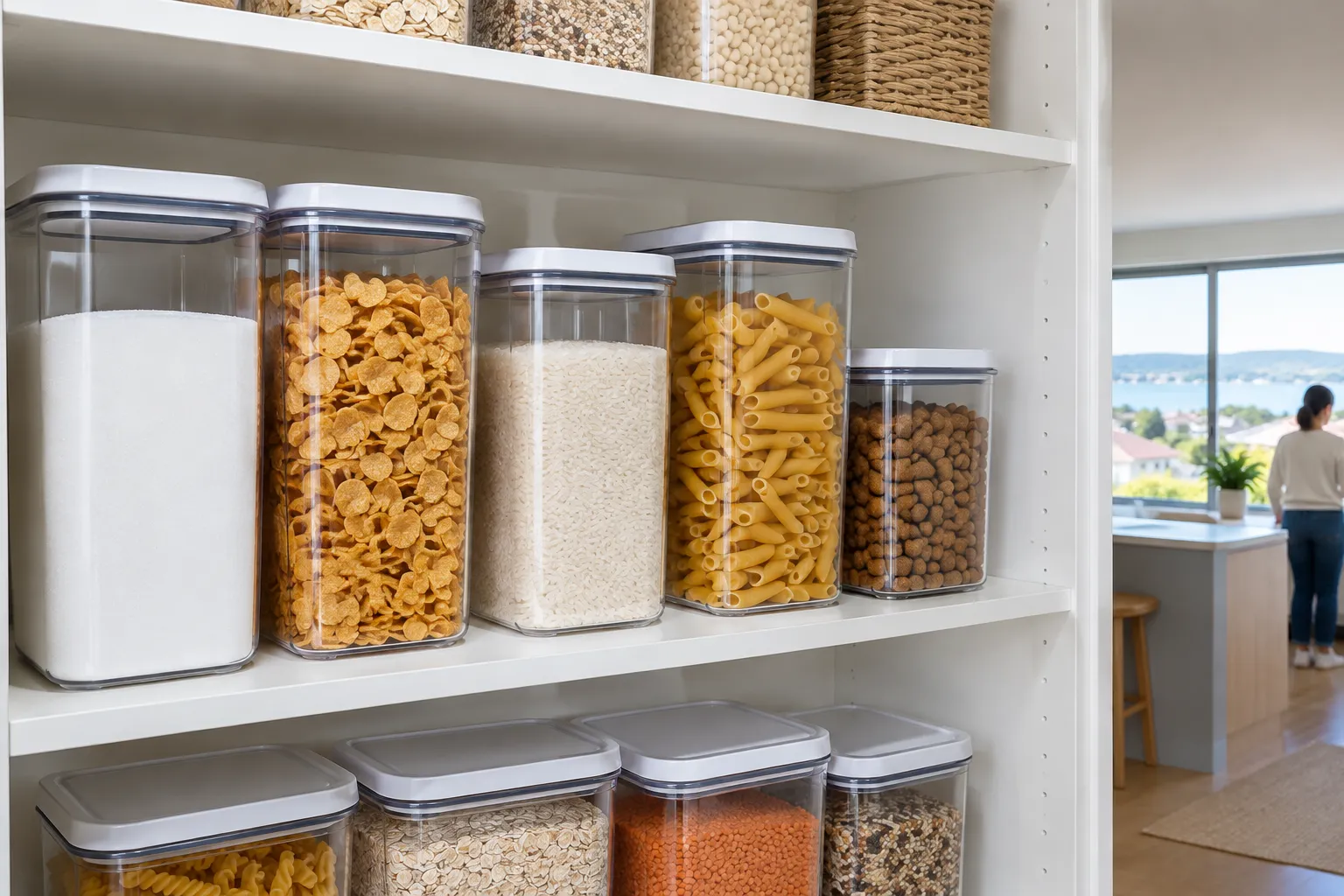
- Seal the food. Use containers with sealing lids. Argentine ants can get into jars that look closed.
- Fix the water. Repair dripping taps, dry the shower and wipe the sink at night. Ants need water as much as food.
- Seal the gaps once the trail stops. Use a gap filler around pipes and frames. Sealing first only sends the trail somewhere else.
If you have pets, pick up wet pet food after meals. Consumer NZ notes Argentine ants are drawn to wet cat and dog food.
How do you get rid of ants in the kitchen?
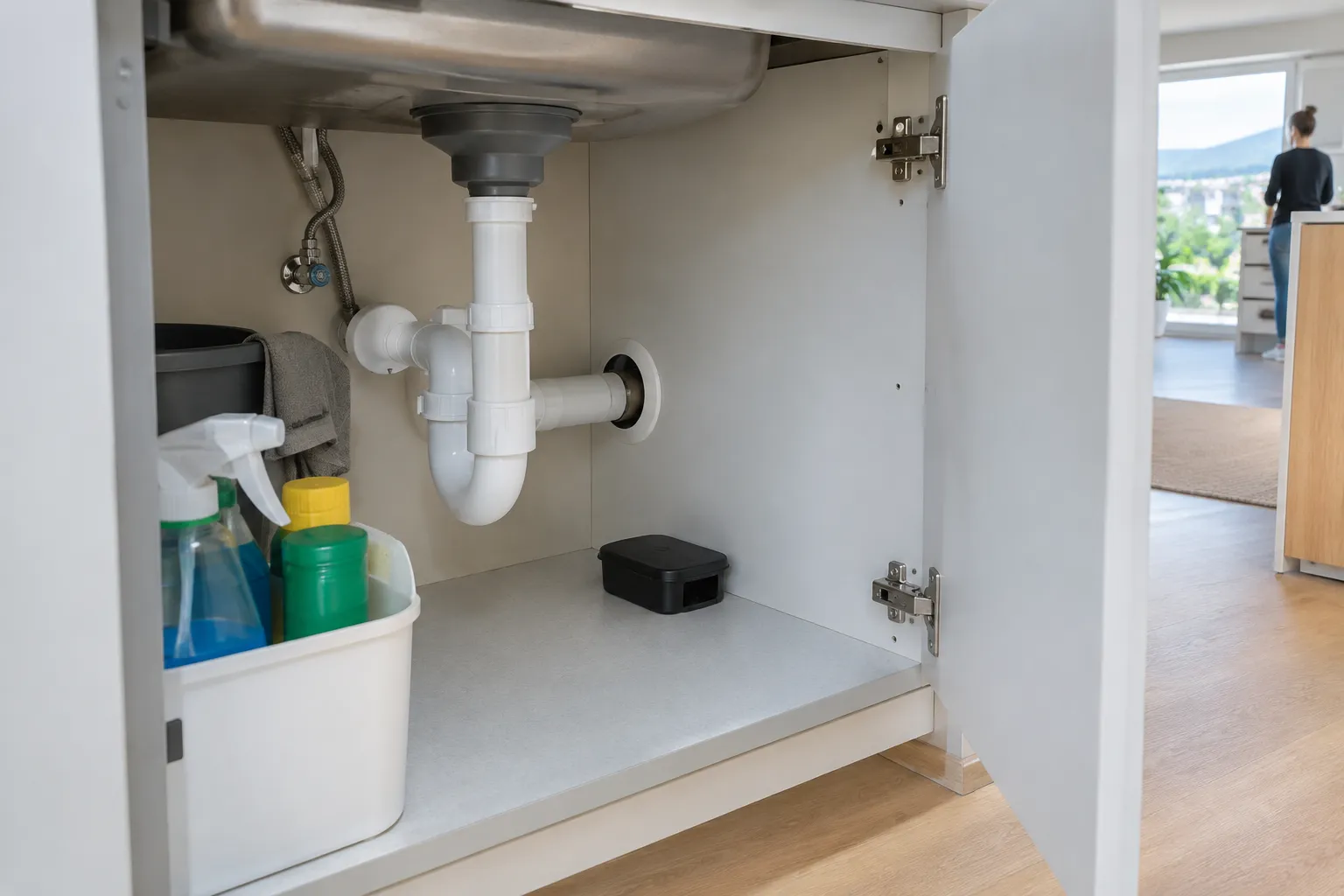
In the kitchen, take away what they came for, then bait near the entry point. Store sugar, honey, cereal and pet food in sealed containers. Rinse recycling, empty the kitchen bin daily and wipe benches before bed. Place bait under the sink or behind the toaster, where the trail starts, rather than on surfaces you prepare food on.
Bait stations keep the bait off your benches and away from small hands. Kiwicare's boric acid bait stations, for example, are designed to be placed about 30 cm apart where ants have been seen, and checked daily. Read every label: boric acid baits carry a warning that they are suspected of damaging fertility or the unborn child, so keep them well away from food, children and pets.
What not to do in a kitchen:
- Don't spray the trail with fly spray near food. It kills the foragers and leaves the nest.
- Don't put bait where you've just wiped with vinegar or detergent. The smell puts ants off it.
- Don't scatter powder along benches. It ends up in food.
What kills ants in the house overnight?
Nothing safe kills a whole ant colony overnight. A household surface spray or soapy water kills the ants on your bench straight away, so the kitchen is clear by morning, but the nest sends more. Real control from bait takes one to two weeks, longer for white-footed and Argentine ants, because it has to reach the queens.
If you need a quick fix before visitors arrive, wipe the trail with soapy water, seal the food and set bait out of sight near where the ants come in. You get a clean kitchen now and control over the next fortnight.
What should you do about ants in the walls?
Ants coming out of power points, skirting boards or ceilings are nesting in the wall cavity, and that's the hardest place to treat yourself. White-footed house ants are the usual cause in Auckland. Landcare notes they nest in wall cavities, their colonies can run to millions across many nests, and baits often don't work on them.
Signs of a nest in a wall:
- ants appearing from the same gap in a wall, ceiling or power point every day,
- winged ants coming out indoors,
- trails that run up the outside wall to a weatherboard gap or eave,
- a faint rustling in a quiet room, in very large infestations.
Don't spray into power points or switches, and don't drill into walls near wiring. This is the point to get a specialist, who can treat the cavity safely. Our page on ants in the house explains what a professional treatment involves and what affects the price.
Questions people ask
Can you permanently get rid of ants in your house?
You can usually get rid of an infestation for good inside the house, as long as you kill the nest and remove the food and water that drew them in. In Auckland, Argentine and white-footed ants often reinvade from nests outside or next door, so plan on ongoing prevention rather than a single treatment.
What's the fastest way to get rid of ants in your house?
The fastest way to clear ants you can see is to wipe the trail with soapy water and seal the food they were after. The fastest way to stop them coming back is a bait laid beside the entry point, left for one to two weeks, or a professional treatment for large or wall-nesting colonies.
What won't ants cross?
Ants avoid freshly cleaned surfaces, because cleaning removes the scent trail. Many people report that ants detour around strong smells such as vinegar, citrus or cinnamon, and around a line of talcum powder. These are deterrents, not control. The colony simply finds another route in.
Is it better to kill ants or let them be?
Outside, in the garden, most ants do little harm and you can leave them. Inside the house, it's better to deal with them, because they contaminate food and can nest in walls. Argentine ants are a pest under Auckland's regional pest plan and harm native wildlife, so they're worth controlling wherever they turn up.
What should I do if a child or pet eats ant bait?
Call the National Poisons Centre on 0800 764 766. It's free and open 24 hours a day. Have the product packaging with you so you can read out the ingredients. For a pet, call your vet as well. If the person is unconscious, having trouble breathing or fitting, call 111.
Guides in this section
- Ants in the house
Ants nesting in your walls, ceiling or kitchen in Auckland?
Sources
Last updated