The most effective natural ant prevention is to remove what ants come for and block the way in. Store food in sealed containers, clean up crumbs and sugar, wipe trails with soapy water, fix drips, seal gaps and keep plants and mulch off the walls. Strong smells such as vinegar or peppermint only mask the trail for a while. Landcare notes that in the upper North Island some ants stay active through winter, so in Auckland these habits are worth keeping all year. This page is part of our guide to ant control in Auckland. Below: the prevention steps that work, the truth about smells and home remedies, keeping pets safe, and the signs that prevention isn't enough.
What actually keeps ants away naturally?
Taking away food, water and entry points keeps ants away better than any repellent. The University of California's pest guide recommends sealing cracks with caulk, storing food in clean, sealed containers, cleaning up spills and grease straight away, and wiping trails with soapy water to remove the scent ants follow. Outside, keep plants and mulch away from the house and control the sap-sucking insects ants farm.
Indoors:
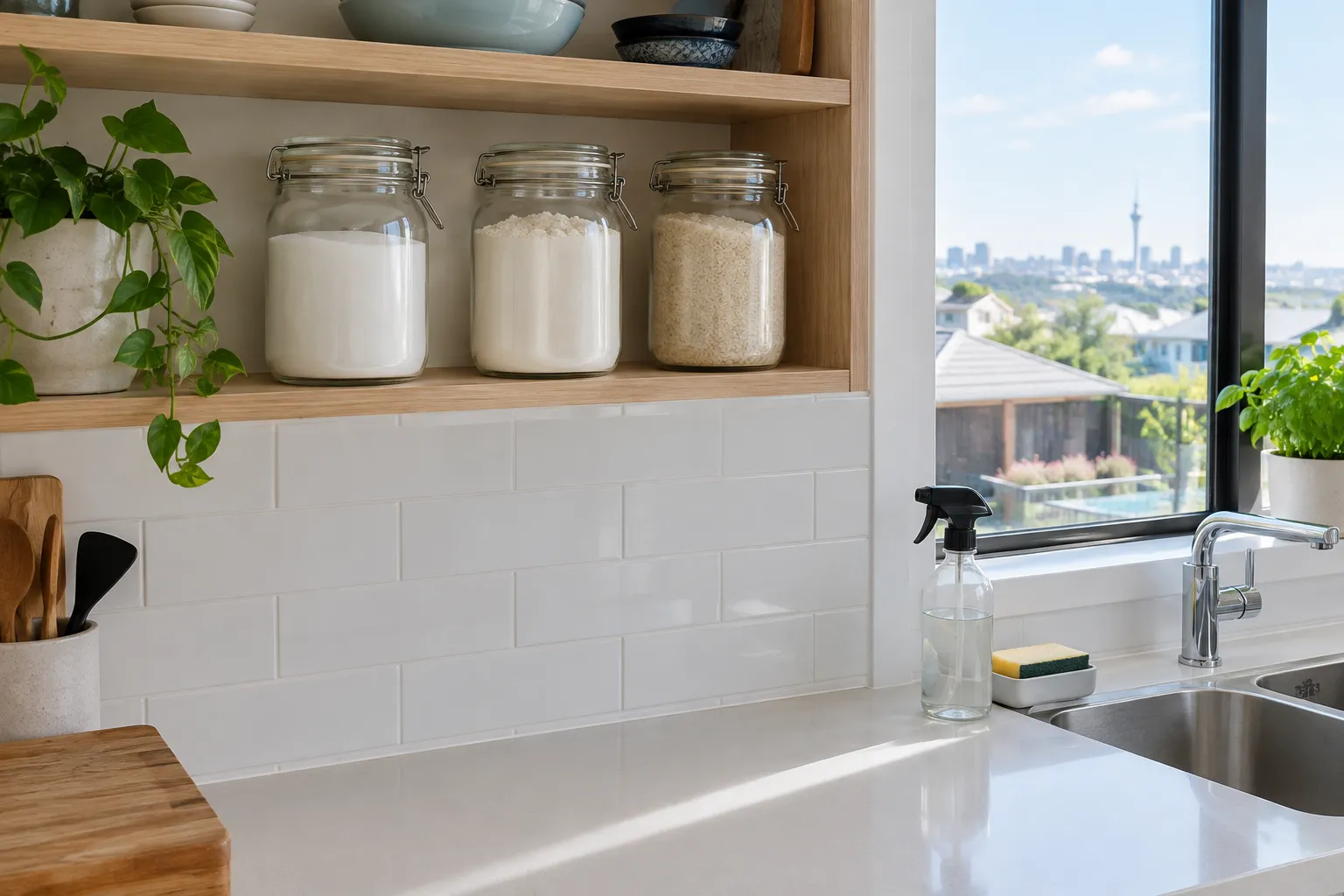
- Seal the food. Sugar, honey, syrup and pet food go in closed containers. Wipe the outside of the jars too, because residue attracts ants.
- Clean as you go. Wipe benches, sweep under the toaster and take rubbish out daily. Rinse drink cans and bottles before they go in the recycling.
- Remove water. Fix dripping taps and dry the sink at night. White-footed house ants forage indoors for water as well as sweet food.
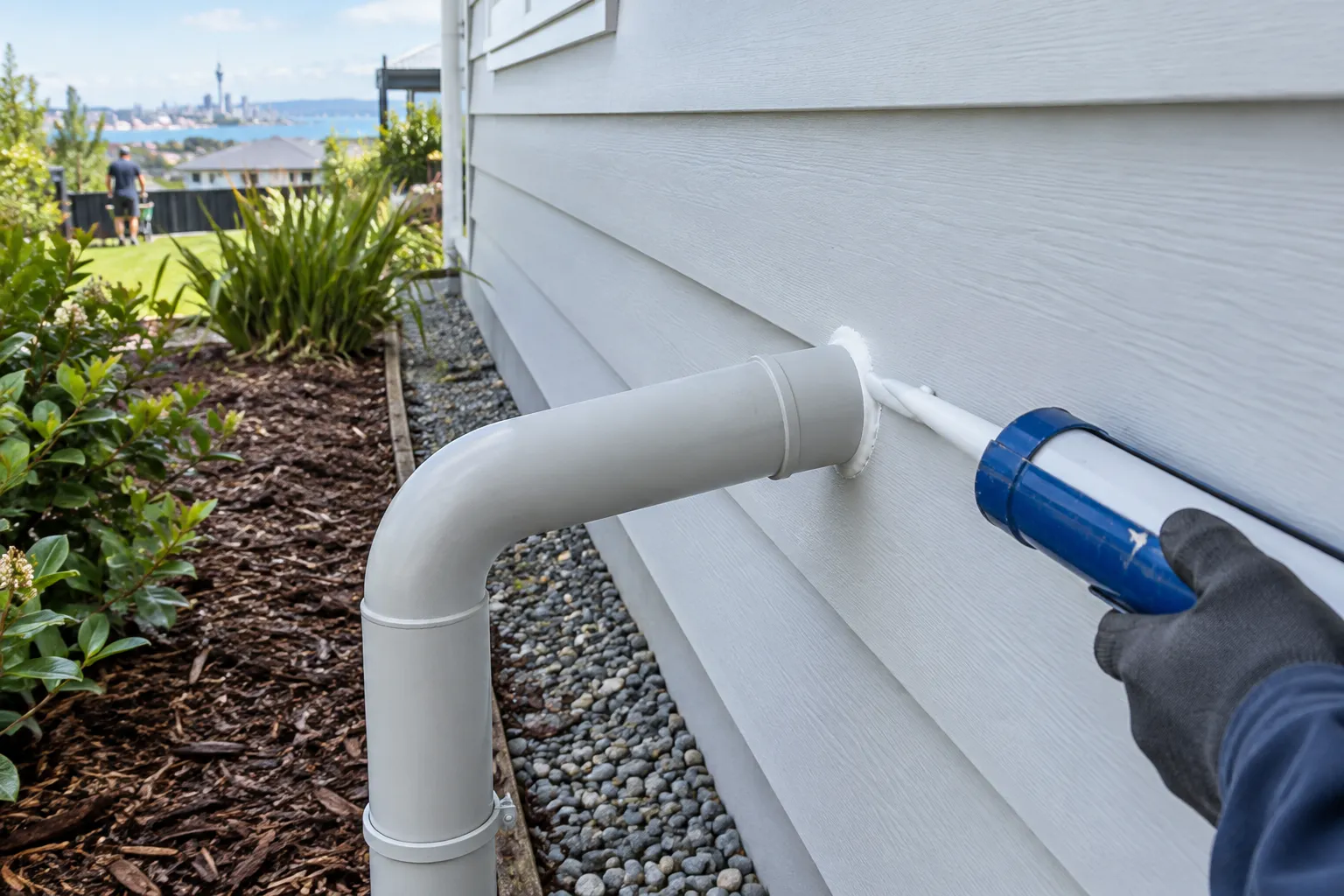
- Find the entry points. Follow the trail back. Ants like to travel along pipes and wires, so check where these come through walls, and seal the gaps.
Outdoors:
- Keep a gap. Plants, grass and mulch against the house give ants nesting sites. Keep them several centimetres back from the walls.
- Trim branches. Branches touching the roof or walls are bridges into the house.
- Deal with aphids and scale. Ants farm aphids, scale insects and mealybugs for honeydew, a sugary waste, and protect them from predators. Fewer sap-suckers means fewer ants.
- Check pot plants. Auckland Council suggests sitting a pot in water for two minutes to see if ants come out before you bring it inside or give it away.
What smell do ants hate the most?
There's no single smell that reliably keeps ants away. Ants follow scent trails, so strong smells like vinegar, peppermint, citrus or cinnamon can confuse a trail for a while, and many people find ants detour around them. But the effect is short-lived, and none of these touch the nest. Wiping the trail with soapy water does the same job without the smell.
Ants lay down chemical signals called pheromones to guide each other to food. The University of California's guide recommends cleaning invading ants up with a sponge and soapy water as soon as they arrive, because it removes that scent trail. Any strong-smelling cleaner does much the same thing.
Why smells don't solve the problem:
- The colony is untouched. The queens keep laying, so new workers keep coming.
- Ants find a new route. A repellent line at the back door can simply move the trail to a window.
- They wear off. Smells fade as they dry or get wiped away.
Smells are useful as part of cleaning, not as a barrier. Treat them as a way to clear a trail today, not to stop ants next week.
How does vinegar repel ants, and how long does it last?
Vinegar works by wiping away the scent trail ants use to find food, so the trail falls apart until the ants lay a new one. It doesn't kill the nest or keep ants out on its own. The effect lasts only until the surface dries and the smell fades, so expect ants back within a day or so if the food is still there.
How to use it well:
- Mix white vinegar and water about half and half in a spray bottle.
- Spray and wipe the whole trail, including where it comes in.
- Find and remove what the ants were heading for.
- Seal the gap where they got in.
Don't use vinegar where you've put bait. Strong smells put ants off the bait, which defeats the point. If you're baiting, wipe the trail elsewhere and leave the bait area alone. Our ant bait guide explains how to place baits so ants take them home.
Vinegar is acidic, so test it on a hidden spot first before you use it on natural stone benches or delicate surfaces.
Do coffee grounds repel ants?
There's no good evidence that coffee grounds keep ants away. We couldn't find any New Zealand government, council or research source that recommends them. Some people report ants avoiding fresh grounds, probably because of the strong smell, but like other smells it fades and doesn't affect the colony. Use your coffee grounds in the compost instead.
The same goes for most of the popular home remedies: cinnamon, chalk lines, cucumber peel and bay leaves. At best they're a temporary deterrent along one route. The ants you see on a bench are a small part of a colony that may hold thousands of workers. Te Ara notes white-footed house ant colonies have several thousand workers and many queens, and Argentine ant colonies can run to well over a million.
Are natural ant repellents safe for pets?
Not always. Natural doesn't mean harmless. The veterinary charity PDSA warns that essential oils can be harmful to cats, especially used neat, and names tea tree, peppermint, citrus, eucalyptus, cinnamon and clove among them. If you have cats, skip essential oil sprays and stick to soapy water, sealed food and good cleaning.
Pet safety tips:
- Pet food bowls are an ant magnet. Feed at set times, pick bowls up afterwards and wash them. Many people stand the bowl in a wider dish of water as a moat.
- Essential oils. If your cat touches or swallows a product with essential oil, PDSA says to contact a vet straight away, even if they seem fine.
- Baits. If you move on to baits, use enclosed bait stations and put them where pets and children can't reach.
- Poisoning. If a person swallows ant bait or a household chemical, call the National Poisons Centre on 0800 764 766.
When is natural prevention not enough?
Prevention isn't enough when the ants are nesting inside the house or come from a large colony outside. Signs include trails coming out of walls, skirting boards or power points, ants returning every day despite good cleaning, and trails of thousands of ants in the garden. That usually means white-footed house ants in the walls or Argentine ants in the garden.
Signs to watch for:
- Trails out of the structure. Consumer NZ's expert says white-footed house ants live in walls, ceilings and subfloors and go outside for food.
- Wide, busy honey-brown trails. These are probably Argentine ants. Landcare says they're most active in warm months, commonly January to March, and in the upper North Island they can stay active through winter.
- Ants on trees and shrubs. Heavy aphid or scale infestations mean the ants have a food supply you'll need to tackle too.
Not sure which ant you've got? Our guide to the types of ants in New Zealand shows how to tell them apart. For the next step, see how to get rid of ants, or compare what a specialist would cost on our ant control cost page. When you're ready, you can get quotes from local specialists.
Questions people ask
What won't ants cross?
A sticky band is the barrier with the best backing. The University of California's guide suggests banding tree trunks with a sticky product to keep ants off trees, and trimming branches so the trunk is the only way up. Many people also stand pet bowls in a dish of water as a moat. Smells and powder lines only slow ants down.
What are the best ant prevention tips for the kitchen?
Keep sugar, honey and pet food in sealed containers and wipe the outside of jars. Clean benches and floors daily, take the rubbish out each night and fix any dripping tap. Wipe any trail with soapy water as soon as you see it, then follow it back and seal the gap where the ants get in.
When should you start ant prevention in Auckland?
Start in spring, before numbers build. Ant nests grow through spring and summer, and Landcare says Argentine ants are commonly most active from January to March. Te Ara notes the ant life cycle takes about six to ten weeks, so habits you start in October pay off over summer.
Does cleaning really stop ants?
Cleaning stops ants finding food in your home, and that's often enough to turn a trail away. It doesn't destroy the colony. Wiping with soapy water removes the scent trail, so other ants lose their way. If ants keep coming back every day despite a clean kitchen, they're probably nesting in the walls or nearby, and you'll need bait or a specialist.
Is it worth paying for ant prevention?
For a few ants now and then, no. Good habits and a bait station usually handle it. Paying a specialist makes sense for white-footed house ants in the walls or heavy Argentine ant trails, where DIY often fails. Prices vary with the size of the property and the species, so see our cost page and compare a few quotes.
Sources
- University of California IPM: Ants
- Consumer NZ: The best ways to get rid of ants in your home
- Te Ara: Ants
- Manaaki Whenua Landcare Research: When are Argentine ants active
- Manaaki Whenua Landcare Research: Technomyrmex jocosus
- Auckland Council (Tiaki Tāmaki Makaurau): Argentine ant
- PDSA: Cats and essential oils
- National Poisons Centre
Last updated