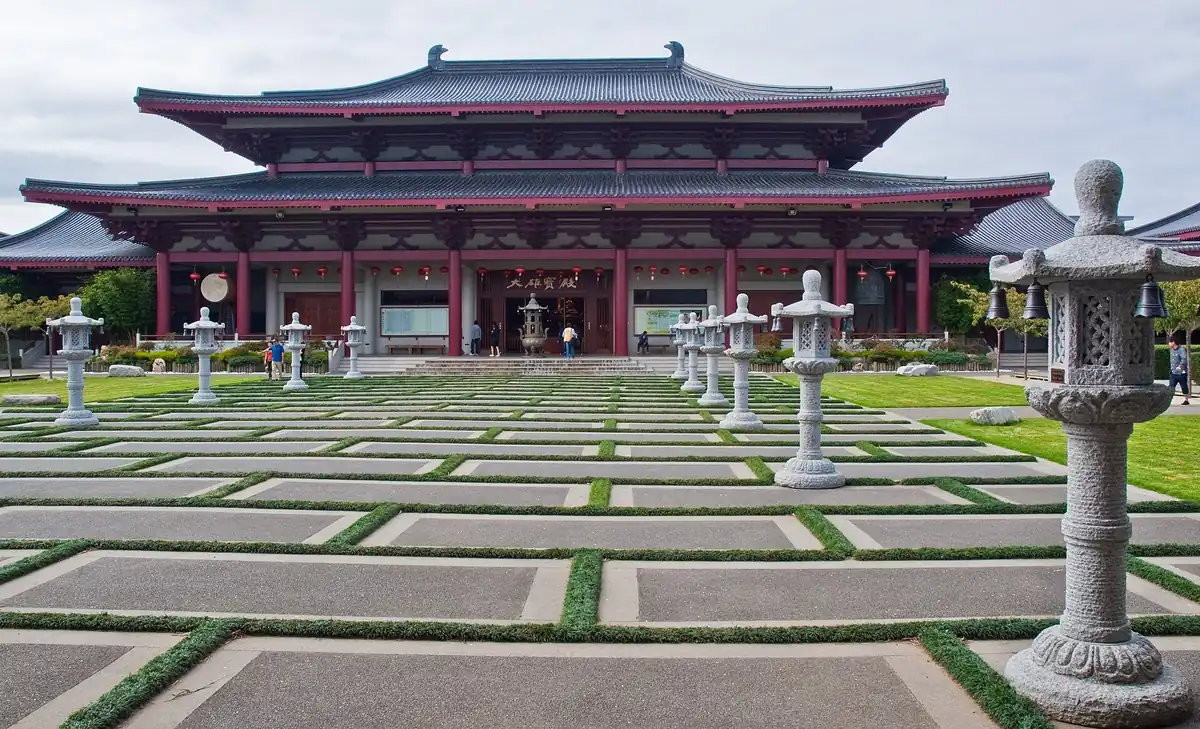

Around Manukau, Flat Bush and Papatoetoe, two kinds of property make up most ant calls: new terraces and stand-alone homes on concrete slabs in Flat Bush and Ormiston, and older timber state houses and bungalows in Papatoetoe, Ōtara and around Manukau. Many are rentals. A treatment in the new streets focuses on slab edges, paving and shared walls; in the older streets, on sub-floors, weatherboards and the garden.
Flat Bush and Ormiston: built in the last twenty years
Flat Bush was farmland until the early 2000s and became one of Auckland's largest planned growth areas. The houses are modern: slabs, brick or weatherboard-look cladding over a drained cavity, aluminium joinery, small low-maintenance sections and lots of paving. Terraced housing and duplexes share walls and driveways.
New subdivisions get ants for predictable reasons. Earthworks disturb existing colonies, landscaping soil and plants can bring nests in, and service penetrations haven't always been sealed. Argentine ants, already spread across Auckland, settle in fast. See ants in new builds.
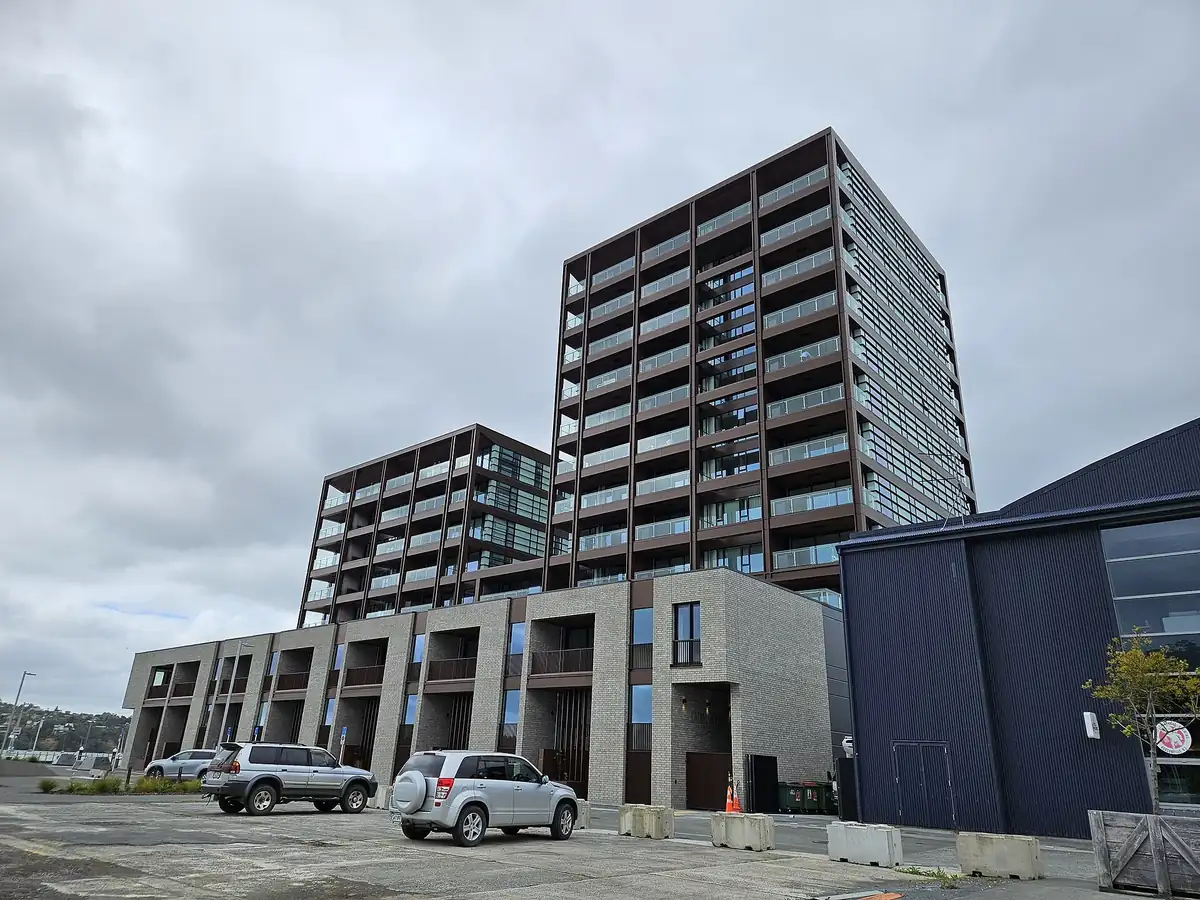

Shared walls and terraces
In terraced housing, ants travel along shared walls and through roof spaces and service ducts between homes. Treating one home while next door does nothing gives temporary relief. Where the terraces have a body corporate or residents' association, a coordinated treatment of the block lasts far longer. See apartments and body corporate buildings.
Papatoetoe and the older streets
Papatoetoe and the streets around Manukau and Ōtara have a large stock of state houses and private bungalows from the 1940s to the 1970s: timber or brick on piles or perimeter foundations, with sub-floors, weatherboards and bigger sections with vegetable gardens and fruit trees. Ants come in from the garden through gaps under the floor and around old window frames.
The older homes also have more hidden voids, so wall nests of white-footed or black house ants are more likely. Ants at power points or the top of walls point that way.
Rentals: who arranges it
Many homes here are rented, from Kāinga Ora and from private landlords. Tenancy Services expects a landlord to make sure a property is free of pests at the start of a tenancy. Later, responsibility depends on the cause: a tenant's lack of cleanliness, a landlord's failure to maintain the property, or neither, in which case the parties often share the cost.
Tenants are welcome to call and describe the problem, but whoever pays should agree the price. If you're a tenant, tell your landlord or property manager in writing. See rentals and landlords.
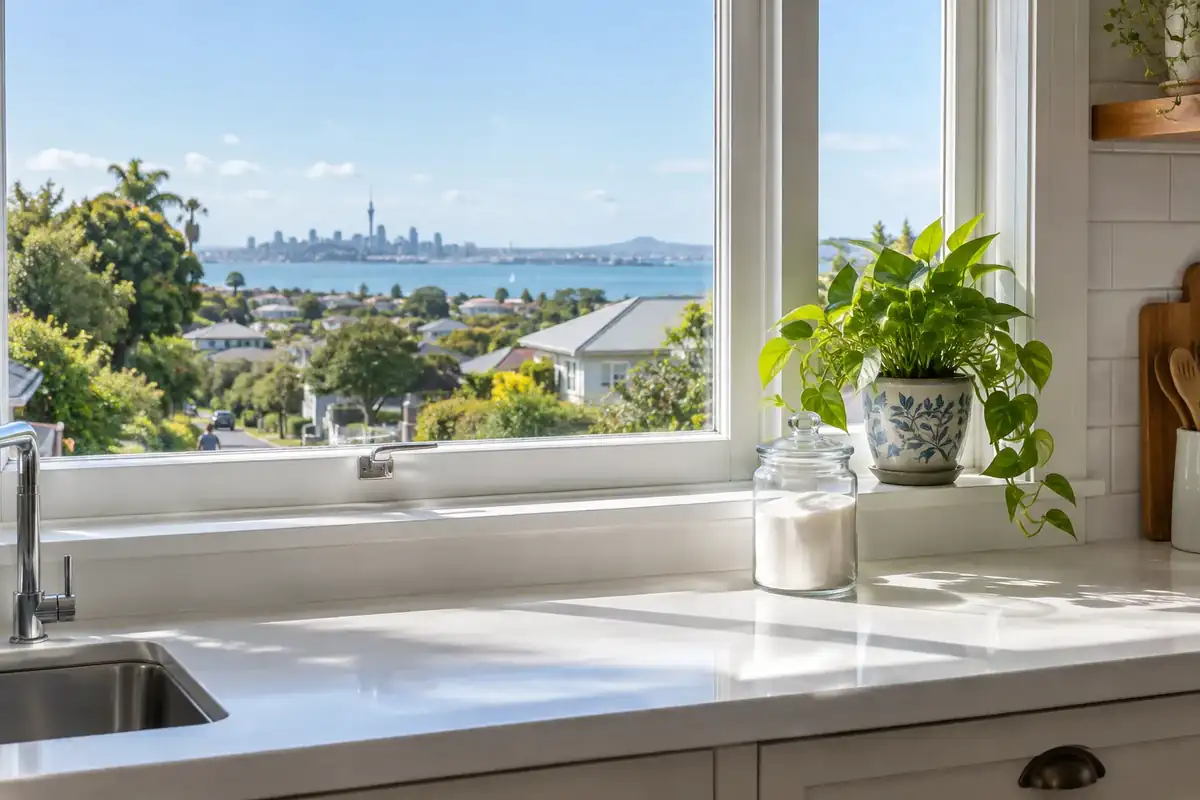
Busy homes, busy kitchens
Large families and multi-generational households are common here, and kitchens work hard. Bulk rice, flour, sugar and snacks in the pantry, cooking several times a day and food on the go mean ants find plenty to forage. Sealed containers, nightly bench wipes and keeping the bin lidded make a treatment last much longer.
Moving in
With so many new homes and so much turnover of rentals, a lot of ant calls here come in the weeks after someone moves in. An empty house is the easiest place to treat; if you can book before the furniture arrives, do. See before you move in.
Fire ant awareness near the airport
Auckland Airport is not far from Papatoetoe and Manukau, and an Auckland Airport fire ant find in 2001 is among the past New Zealand incursions, all eradicated. Fire ants are not established here. If you ever see small reddish-brown ants that sting painfully and build loose soil mounds, report them to MPI on 0800 80 99 66 rather than treating. See fire ants: what to do.
The visit
A technician checks the kitchen, bathrooms and any rooms with trails, the garage, the outside walls and slab edge or sub-floor, paths and the garden, then identifies the species and prices the work in writing. Treatment is bait inside on trails and in stations, and a non-repellent product at entry points and along paths outside.
Cost in the south-east
These suburbs carry no travel charge. Compact Flat Bush terraces are often quicker to treat than a large Papatoetoe section with a vegetable garden, and the price reflects that. Published Auckland starting figures sit around $210 to $255 incl GST for one area and about $340 to $400 incl GST for a full inside-and-outside treatment of a three-bedroom home. Landlords get the same written quote before anything is done.
Ant control questions
Can a tenant book a treatment?
A tenant can call and describe the problem. Whoever pays should agree the written price.
Our house is brand new. Why ants already?
Earthworks, landscaping and unsealed service gaps. It's common in a new subdivision's first summer.
Do terraces need to be treated together?
It works better. Ants travel between homes through shared walls and roof spaces.
Where these facts come from
Checked 5 November 2026