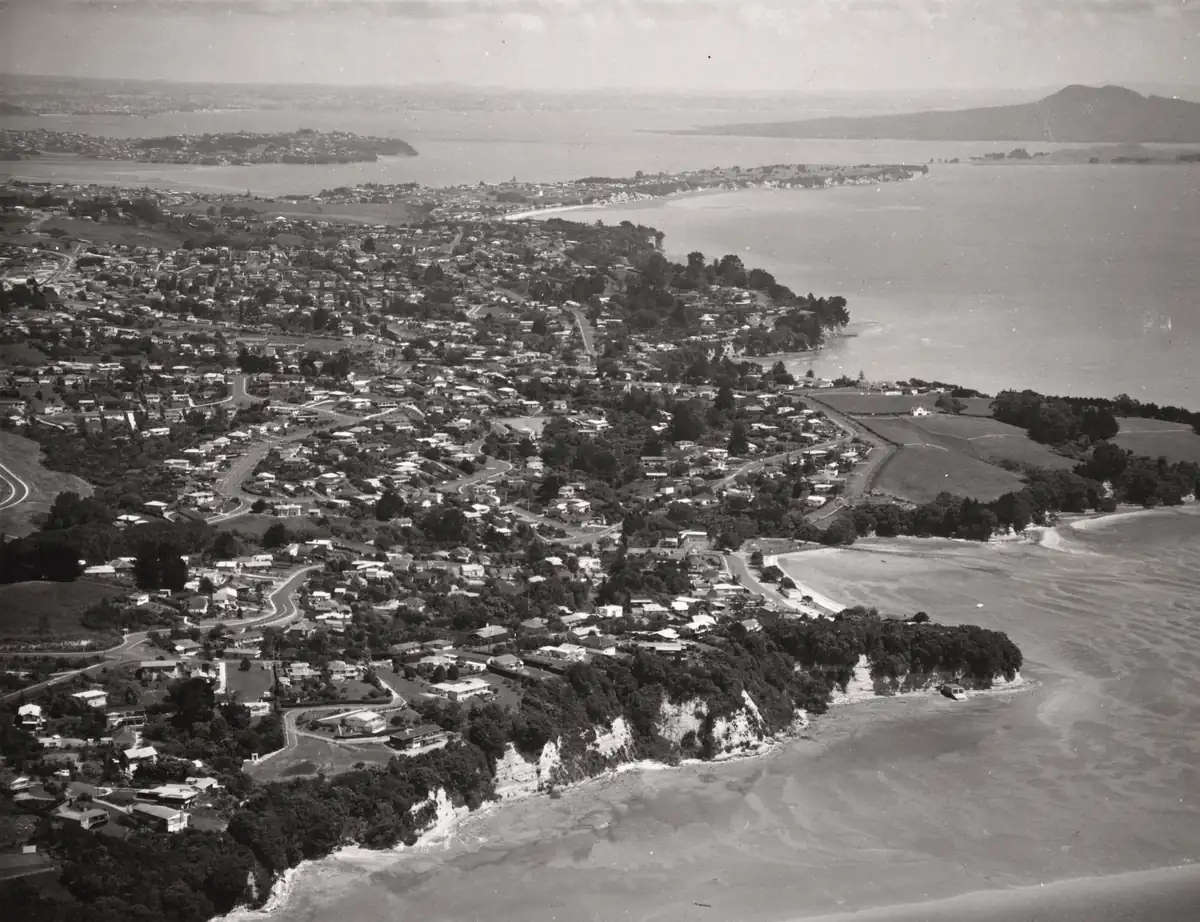

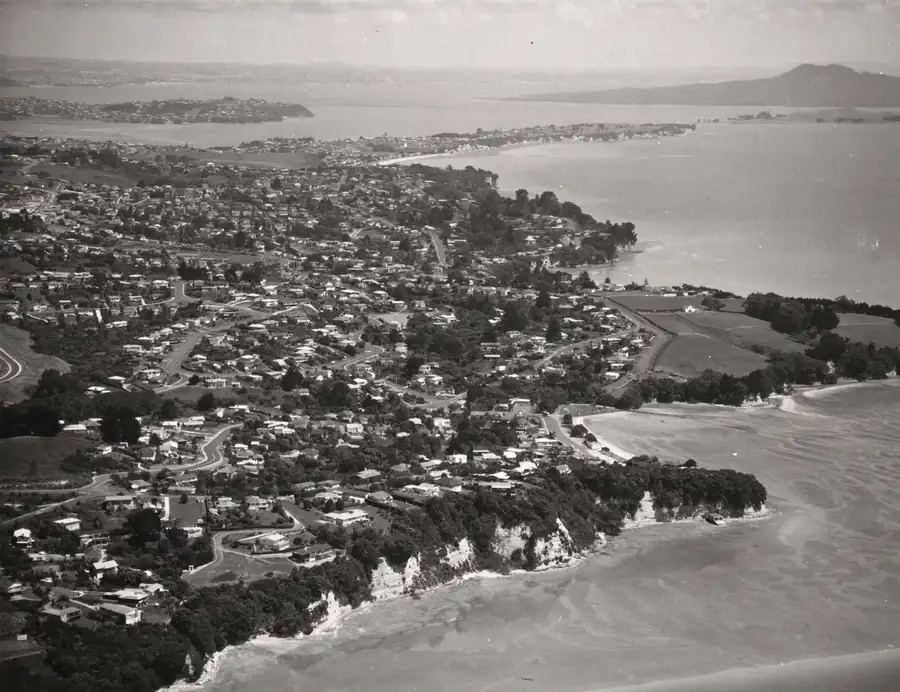
In Howick, Pakuranga and Botany, most ant calls come from three kinds of house: 1960s and 70s brick-and-tile homes, estuary-side sections along the Tamaki River and Pakuranga Creek, and the slab-built homes of the Botany Downs and Dannemora subdivisions. The common thread is a lot of concrete and paving around the house, which suits Argentine ants, and a lot of established garden, which feeds them.
Three building eras, three entry patterns
East Auckland's housing was built in waves, and the age of the house predicts where a technician will look first.
| Era and typical suburb | Construction | Where ants usually enter |
|---|---|---|
| 1960s to 70s, Pakuranga, Howick, Bucklands Beach | Brick veneer on timber frame, tiled roof, often on a perimeter foundation | Weep holes in the brick, sub-floor vents, gaps where the extension meets the original house |
| 1980s to 90s infill and units | Mixed weatherboard and brick, smaller sections | Shared driveways and fences, garage edges |
| 1990s to 2010s, Botany Downs, Dannemora, East Tamaki Heights | Concrete slab, brick or plaster cladding, big garages | Slab edge, garage door, window drainage, service entries |
## Weep holes: the brick-and-tile weak point
Brick veneer houses have small gaps, called weep holes, left in the bottom courses so the cavity behind the bricks can drain and breathe. They're essential and should never be blocked with mortar or sealant. They also make perfect ant doors into the wall cavity. Trails often run along the base of the brickwork from hole to hole.
A technician treats around weep holes with a product the ants carry inside, rather than sealing them. If ants are appearing inside at skirtings or power points along a brick wall, the cavity is the likely route; see nests in walls and ceilings.
Along the Tamaki and the creeks
Pakuranga, Half Moon Bay and Farm Cove have many sections running down to the Tamaki estuary, Pakuranga Creek or the canals. These sections have lower, damper ground at the bottom, mangrove and saltmarsh edges, and often a reserve walkway beyond the fence. Ant nests sit in the drier ground higher up near the house.
Treatment here keeps products well back from the water's edge, stormwater outlets and drains. Most of the work happens around the house itself and along the paths and retaining walls between the house and the garden.
Botany's slab subdivisions
The homes built through Botany Downs, Dannemora and East Tamaki Heights from the 1990s onward sit on concrete slabs with paved paths, wide driveways and double garages. Landcare Research describes concrete as an ant highway for Argentine ants, where surface sprays break down fast. Trails here run along driveways, the slab edge and the garage, and come in under doors and through window drainage.
A treatment concentrates on these routes with non-repellent products, plus bait on active trails inside. Garages full of stored items and pet food are a common nest site and worth tidying before the visit.
Kitchens in big family homes
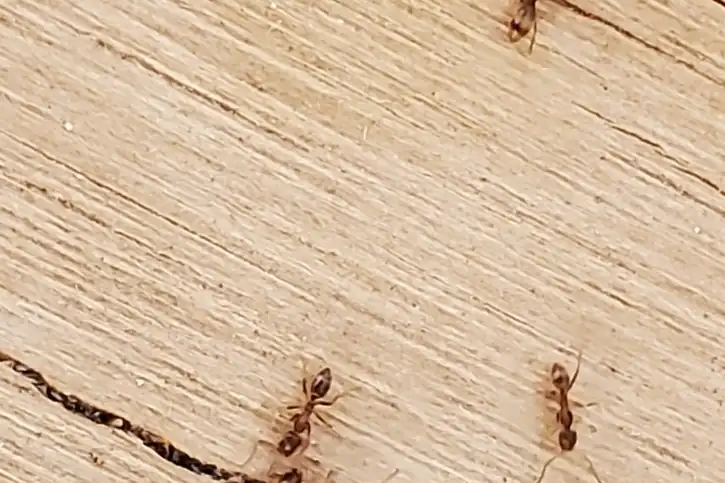
Many East Auckland households are large and multi-generational, with busy kitchens cooking several times a day and pantries full of dry goods. Ants love it. Kitchen treatment uses gel in cracks and voids and closed stations where children are around, never spray on food surfaces. Sealed containers for rice, flour and sugar make a big difference. See kitchen ant treatment.
Gardens and fruit trees
Established East Auckland gardens often include citrus, feijoa and vegetable plots. Argentine ants farm aphids and scale on citrus for honeydew, and a busy trail up a lemon tree usually ends in the house eventually. Keeping ants off fruit trees helps both the tree and the kitchen; see ants farming aphids and scale.
What people try first, and why it stalls
The most common story here is a can of surface spray along the skirting, followed by more ants a week later. With Argentine ants, repellent sprays scatter trails and push ants into brick cavities. If that's happened, stop spraying for a few days and tell the technician what was used. See why sprays scatter ants.
Timing in the east
Exposed coastal suburbs like Bucklands Beach and Eastern Beach warm up a little later in spring than sheltered inland streets, but by November trails are busy everywhere. A spring treatment before the peak suits the larger gardens here. Landcare found spring baiting around early October works as well as summer baiting.
Cost in the east
East Auckland sits within the normal travel area, so the figure is about the house rather than the address. Auckland pest control businesses advertise inside-and-outside treatment of an average three-bedroom home from roughly $340 to $400 incl GST, and a single area or small unit from about $210 to $255 incl GST. Bigger Botany homes with long driveways and double garages often sit a little above the starting figure; your written quote will show exactly.
Ant control questions
Should I seal the weep holes in my brick?
No. They drain the wall cavity. Treat around them instead.
Why are ants coming out of my garage?
Garages hold stored items, pet food and warm concrete. Trails often run along the slab edge into them.
Do estuary sections get more ants?
Not necessarily more, but nests sit closer to the house on the drier ground, and products must be kept away from the water.
Where these facts come from
Checked 5 November 2026