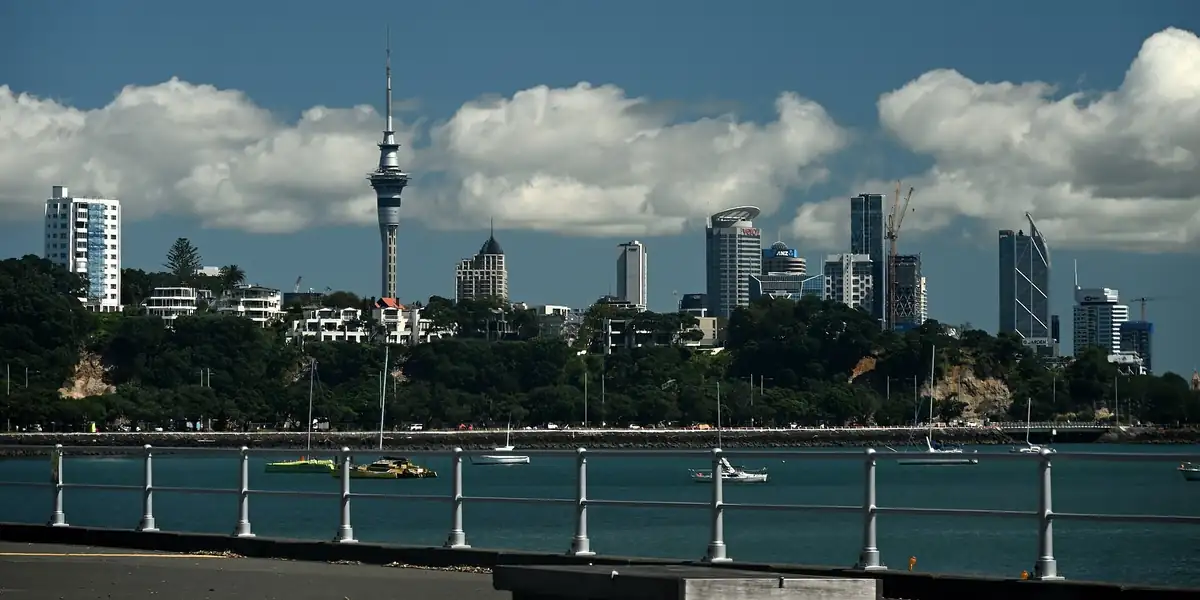

In Epsom, Remuera and the Eastern Bays the garden is usually the deciding factor. Large sections with mature trees, hedges, citrus, roses, terraced beds and swimming pool surrounds give ant colonies room to grow well away from the house, then send trails inside in summer. A treatment here is mostly outside work: paths, terraces, retaining walls and garden-bed edges, with targeted bait in the kitchen and any wall nests.
Gardens that feed big colonies
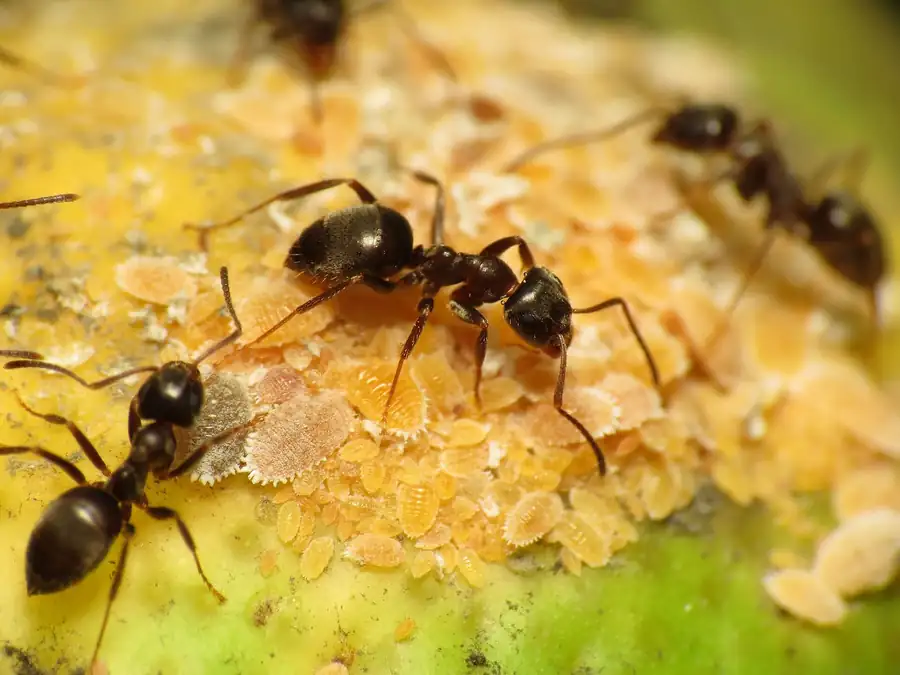
Established gardens are full of honeydew. Argentine and Darwin's ants farm aphids, scale and mealybugs on citrus, camellias, roses and hedges for their sugary waste, and Auckland Council lists protecting these horticultural pests among the ants' impacts. A well-fed colony grows large, and large colonies forage further, including into the house.
The give-away is a steady ant trail up a trunk, sticky leaves and black sooty mould. Keeping ants off those plants helps the garden as well as the house. See ants farming aphids and scale.

Terraces, steps and retaining walls
The ground rises and falls across Remuera and the bays, so many properties are built on terraces with stone or timber retaining walls, long flights of garden steps and paved courtyards. Retaining walls hold warmth and moisture together, and ants nest in the gaps and travel along the base. Paved terraces and pool surrounds add warm concrete highways.
Treatment follows these features: the base and drainage gaps of retaining walls, paving joints near the house, step edges and pool surrounds, kept away from pool water and drains.
Larger and older homes
Epsom and Remuera include grand villas, Edwardian and interwar homes, mid-century houses and large modern rebuilds. Older homes have sub-floors and many gaps; newer ones have slabs, cladding cavities and big glass sliders with drainage tracks. Large houses mean more entry points to check and more wall cavities where white-footed house ants can settle.
Expect the inspection to take longer than on a small section. A thorough walk-round is what makes the result last.
Clifftop and beachfront in the bays
Mission Bay, Kohimarama and St Heliers run along the waterfront below the cliffs, with homes above on the ridges and apartments along Tamaki Drive and the village centres. Coastal homes get salt winds and sandy soils, which suit some ants, and pōhutukawa and coastal planting along the cliffs. Products are kept well clear of the beaches and the stormwater outlets that drain onto them.
Apartments along the waterfront
Apartment buildings in the bays and around Newmarket share walls, risers and podium gardens. Ants in one unit often come from shared spaces. The body corporate or building manager is the right person to organise a whole-building treatment. See apartments and body corporate buildings.
A yearly spring visit makes sense here
Properties with big gardens next to other big gardens see Argentine ants return every year, because the neighbourhood population is large and connected. A spring treatment before the November to March peak, with a follow-up in early summer, usually keeps the house clear for the season. Landcare found spring baiting around early October works as well as summer baiting. See seasonal ant programme.
Access and gardeners
Many properties here have gardeners, pool services and other contractors visiting regularly. It helps to let them know when an outside treatment is planned, so they don't mow, wash down paths or water treated beds straight away. Gate codes, dogs and pool fences are worth mentioning when booking.
School zones and family homes
Epsom and Remuera are popular with families for their schools, and that means children, pets and play areas in most gardens. Treatments are set up with bait in stations and cracks out of reach, outside products on entry points rather than across lawns, and clear advice on when treated areas can be used again. See pet and child safe treatment.
Volcanic cones and reserves
Maungawhau, Maungakiekie and Ōhinerau sit among these suburbs, along with smaller cones and many reserves. Homes backing onto reserves and cone slopes have larger areas of grass and planting next to them, and ant colonies there are outside your control. Treating the shared boundary and keeping plants trimmed back from the house matter more than usual on those sections.
Prices and travel
None of these suburbs attracts a travel charge, but big sections do take more time, and time is most of the cost. As a reference point, Auckland operators advertise a small-home or single-area visit from about $210 to $255 incl GST and a whole three-bedroom house, inside and outside, from about $340 to $400 incl GST. Large gardens sit above those starting figures; the written quote will say by how much.
Ant control questions
Will treatment harm my garden?
Products are applied to label directions at ground level along routes and nests, kept off flowering plants and edibles.
Why do ants keep coming back every summer?
Large, connected colonies in neighbouring gardens recolonise. A spring treatment each year is the usual answer.
Can the pool area be treated?
Yes, around paving edges and fences, keeping products out of the water and drains.
Where these facts come from
Checked 5 November 2026