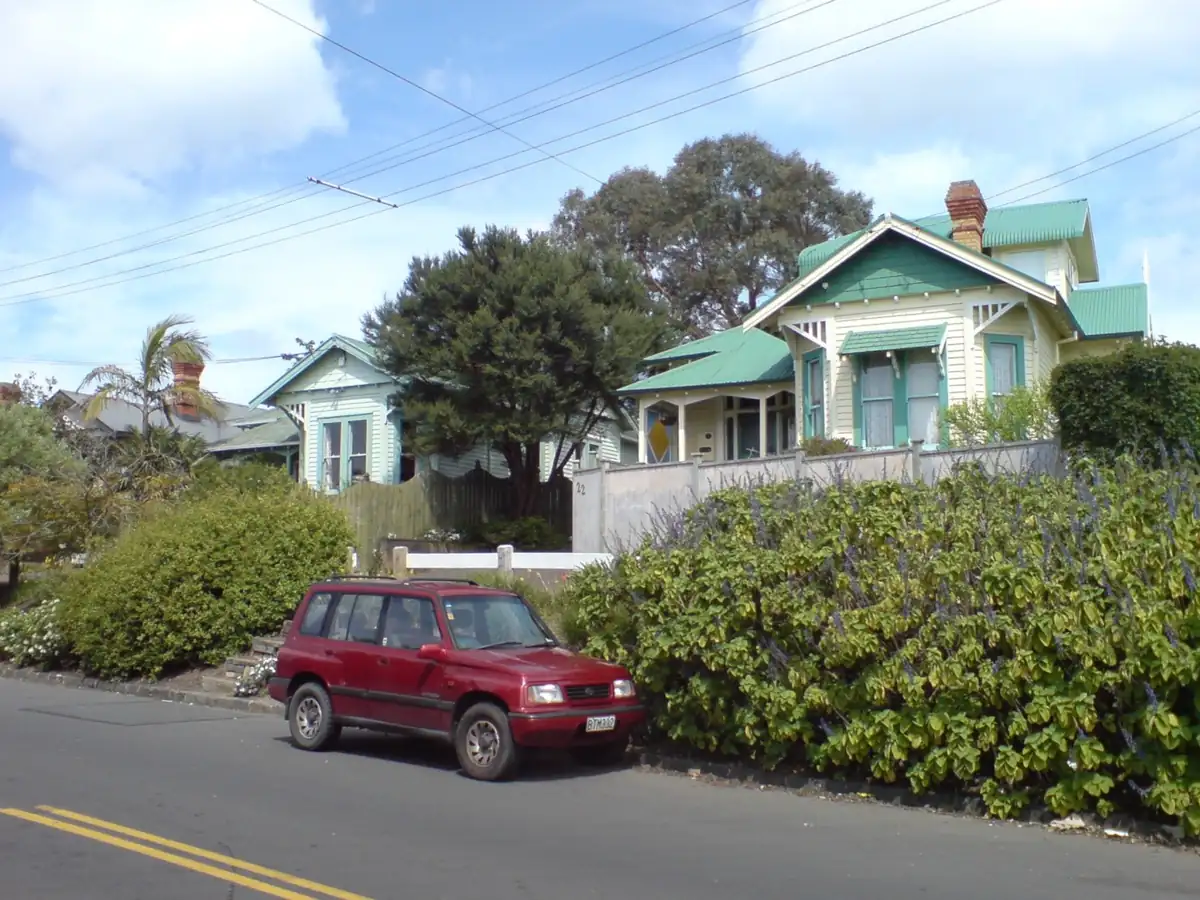

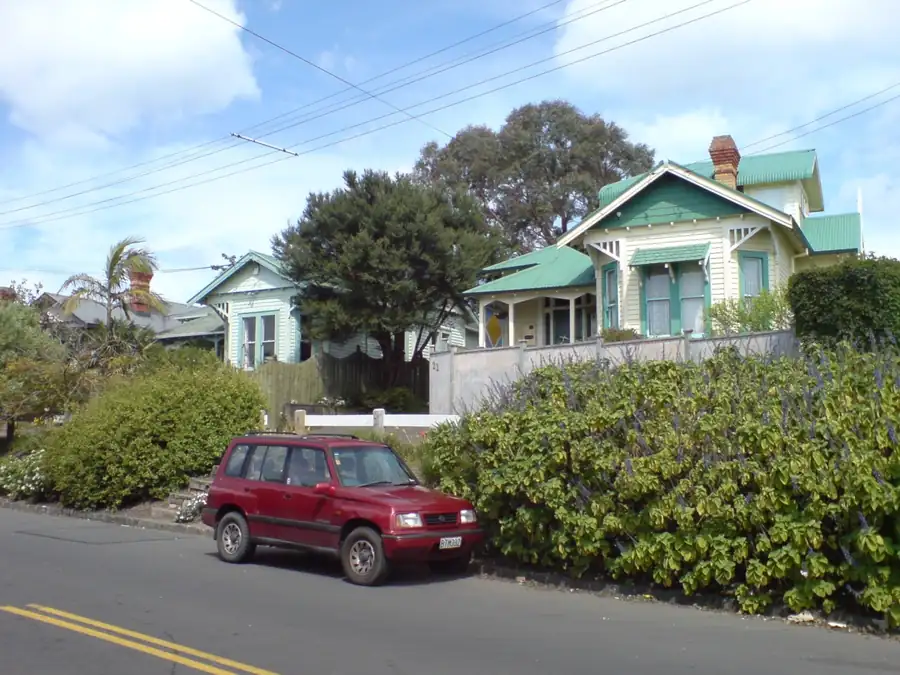
On the central isthmus, ant trouble usually starts under the house. Most homes in Grey Lynn, Ponsonby, Kingsland, Mt Eden and Sandringham are timber villas and bungalows on piles, built between the 1880s and the 1930s, with a sub-floor, weatherboards, sash windows and decades of repairs. Ants travel through all of it. A technician here spends as much time with a torch under the floor and along the base of the weatherboards as in the kitchen.
Villas, bungalows and a hundred years of gaps
A villa is a generous home for ants. Floorboards sit over an open sub-floor, scrim and board linings survive in some rooms, sash windows have weights in hollow boxes, and every renovation since 1900 has left its own gaps around new plumbing, wiring and joinery. Trails can enter at one corner of the house and appear three rooms away.
Bungalows from the 1920s and 30s are similar, with deeper eaves and often a brick base. Many have been extended at the back with a modern kitchen and deck, which creates a join between old and new construction where trails often run. The kitchen extension is where most people see the ants first.
What the volcanic ground does
The isthmus sits among volcanic cones, and much of it has free-draining scoria and basalt underfoot. Old dry-stone walls of volcanic rock, common along boundaries in Mt Eden and around Maungawhau, are full of warm, dry gaps that suit ant nests. Rock retaining walls and stone garden edges are the same.
Free-draining ground means nests can sit close to the surface without flooding, and trails run along the base of these walls for long distances. If your boundary is a stone wall, expect the technician to treat along it rather than try to find every nest within it.
Sub-floors and the ants that use them
Under a villa, ants use piles and bearers as highways and come up through gaps in the floorboards, around pipes and along the base of internal walls. Black house ants and white-footed house ants both nest in walls and sub-floors; Argentine ants run in from the garden through the same spaces.
The sub-floor also tells the technician about moisture. Damp ground, blocked vents and leaking pipes under bathrooms make timber soft, and ants move into soft timber. If something looks wrong down there, you'll be told. See ants in timber.
Narrow sections and shared boundaries
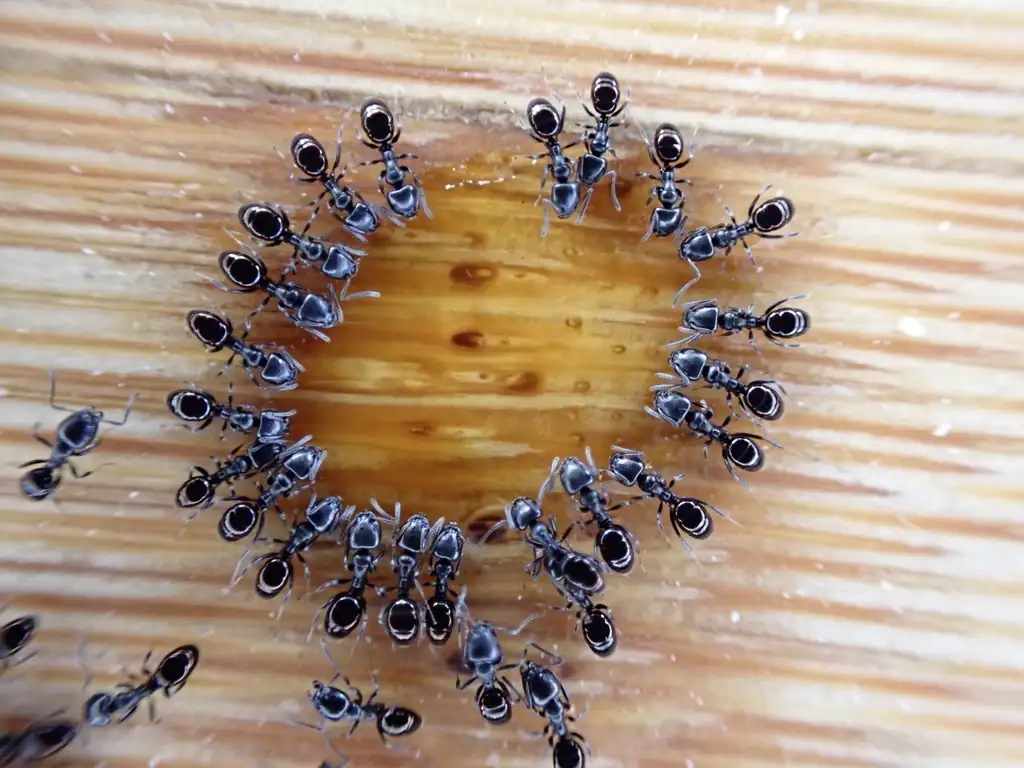
Isthmus sections are often narrow, with a side path barely a metre wide, a shared fence or wall, and the neighbour's house close by. Argentine ant colonies don't recognise fence lines, so trails cross from one property to the next along the base of shared walls and fences. Landcare Research describes neighbouring nests behaving as one colony.
That makes the boundary the key part of a treatment here. Treating both sides of a shared fence, if the neighbours are willing, gives longer-lasting results. Access is worth thinking about before the visit too: tight side paths, locked gates and parked cars can make it hard to reach the back of the house.
Character homes and power points
Older homes often have rewired sockets and switches fitted into old walls with gaps around the boxes. Ants coming out of power points or light switches are a common call in Ponsonby and Grey Lynn villas, usually white-footed house ants nesting in the cavity. Never spray into a fitting. See ants in power points and nests in walls and ceilings.
Heritage controls and what they mean for treatment
Much of the isthmus has special character or heritage overlays in the Auckland Unitary Plan, which affect alterations to the exterior. Ant treatment doesn't change the building, so it isn't affected. The overlays matter more for repairs: replacing rotten weatherboards or joinery that ants have moved into may need care to match existing materials. Your builder can advise.
Cafes, flats and mixed streets
Ponsonby Road, Karangahape Road, Dominion Road and Kingsland's village have dense strips of cafes, restaurants and flats above shops. Food premises with old buildings and shared walls see ants year after year. Commercial work is planned around trading hours, with records for food control plans. See commercial ant control.
What a visit here usually involves
- Questions about where the ants are and what's been used.
- Inspection of the kitchen, bathrooms and any rooms with trails.
- A look under the floor where the hatch allows, and along the base of the weatherboards.
- Boundary walls, stone edges, paths and the deck.
- A written price, then treatment: bait inside on trails, non-repellent product at entry points and along the boundary.
Seasons on the isthmus
Trails on the isthmus tend to show up early. Sheltered, north-facing sections between villas warm quickly in spring, and the first humid week of October or November often brings ants into kitchens from Kingsland to Sandringham. Landcare Research found Argentine ants forage most between about 10 and 30°C, and these inner suburbs reach that range sooner than exposed coastal ones.
In winter, Argentine trails fade, but white-footed house ants living in heated villa walls can keep going. A July trail at a light switch in a Ponsonby villa usually means a wall nest rather than garden ants. See ants in winter.
Renovations and ants
Renovations are common here, and they stir ants up. Lifting floors, opening walls and digging out for a new deck disturb nests, and colonies move into the nearest shelter, often the part of the house still lived in. If you're about to renovate, a treatment before work starts, or straight after the builders leave, saves a summer of trails through the new kitchen.
Prices and travel
Being central, isthmus addresses carry no travel charge. What drives the figure is the villa itself: floor area, how much sub-floor there is to work through, and how long the boundary walls run. For context, Auckland businesses publish starting prices near $210 to $255 incl GST when only one area needs work, rising to roughly $340 to $400 incl GST once both inside and outside of a three-bedroom house are covered. Yours arrives in writing after the inspection.
Ant control questions
Do villas get more ants than new homes?
They have more hidden routes and sub-floor space, which makes ants harder to see and trace. New homes get ants too, through slabs and cladding.
Should I block the sub-floor vents to keep ants out?
No. Vents keep the sub-floor dry, and dry timber is less attractive to ants. Treat the ants instead.
Can you treat if the neighbour won't?
Yes. Treating your side of a shared boundary still works; it may need the follow-up sooner.
Where these facts come from
Checked 5 November 2026