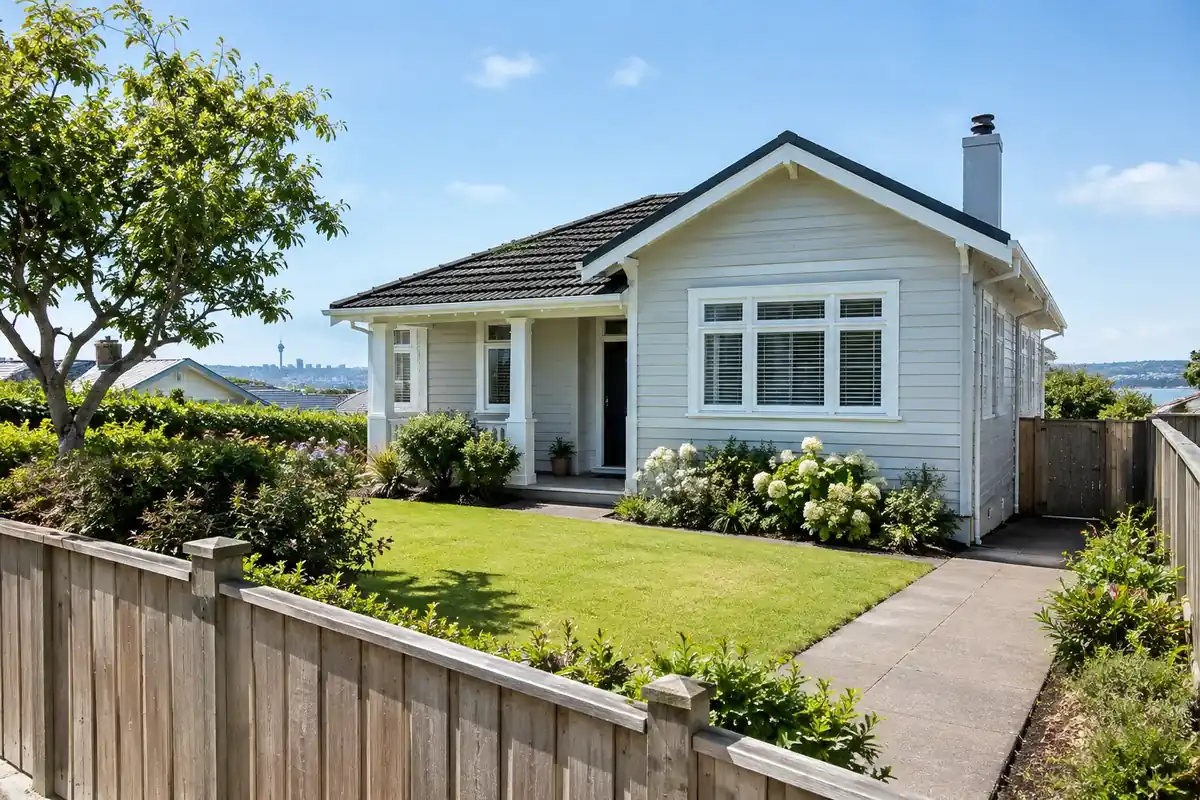
The best time to treat a house for ants is when it's empty. A technician can see every cupboard, skirting and wall, place bait without moving belongings, and treat the outside without children or pets around. Booking a treatment between settlement and moving day, at the end of a tenancy, or before reopening a bach for summer means you start with a clean slate instead of discovering a trail on the first night.
Why empty houses get ants
An empty house is quiet, dry and undisturbed, which suits ants. Without daily cleaning, cooking and foot traffic, colonies that were kept in check by the last occupants can expand into the kitchen and bathrooms. Crumbs behind appliances, a dripping tap and spilled food in a pantry corner are enough to feed a trail for weeks.
Sellers sometimes treat for ants before listing, and the problem returns between open homes and settlement. Rentals that sit empty between tenants are the same. And baches closed over winter can come back to a well-established trail in December.
Buying a house
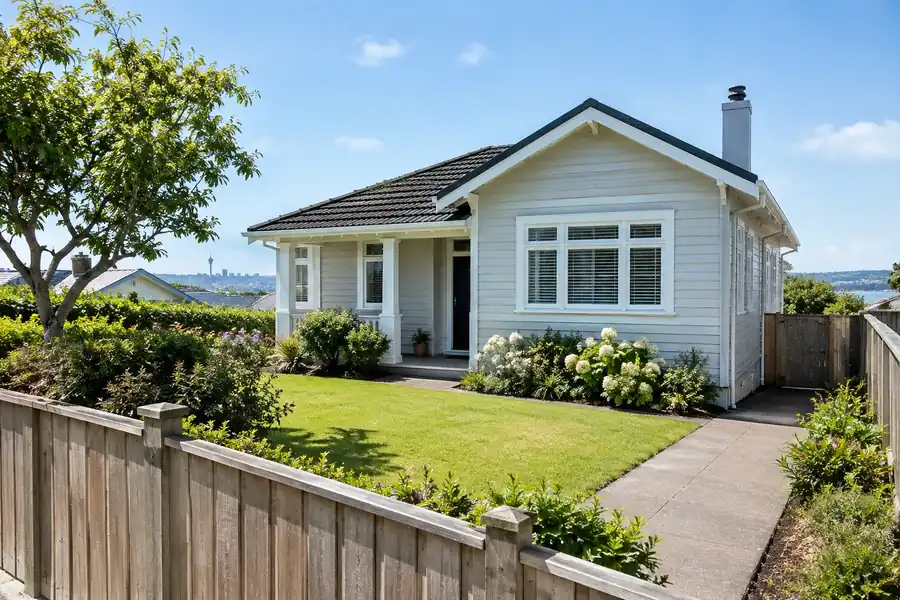
If you're buying, ask the vendor or agent whether there have been ant problems, and look for signs at the pre-purchase visit: trails along skirtings, bait stations left in cupboards, small piles of sand between pavers, and ants around the sink. A general building inspection won't usually report on ants.
The days between settlement and moving in are ideal for a treatment, because nothing needs to be moved. If you can only get access on settlement day, a treatment that morning before the truck arrives still works well. Ask the technician how long to keep off treated areas so you can plan the move.
Selling a house
A busy ant trail across the kitchen bench at an open home is not a good look. If you're preparing to sell in spring or summer, a treatment a few weeks before listing gives time for numbers to drop and for any follow-up. Treatments with bait stations can be set up discreetly, and the technician can advise what to remove before photos.
Be honest with buyers if asked. Ants are common in Auckland and a recent treatment is a reasonable answer to the question.
Starting or ending a tenancy
Tenancy Services expects a landlord to make sure a property is free of pests at the start of a tenancy. If ants appear later, responsibility depends on the cause: if the tenant's lack of cleanliness caused it, the landlord can apply to the Tenancy Tribunal; if the landlord's failure to maintain the property caused it, the tenant can issue a notice to remedy. Where neither caused it, the parties often share the cost.
Treating between tenancies, while the property is empty, is the simplest way for a landlord to meet the start-of-tenancy expectation. See rentals and landlords for more on who pays.
Reopening a bach or holiday home
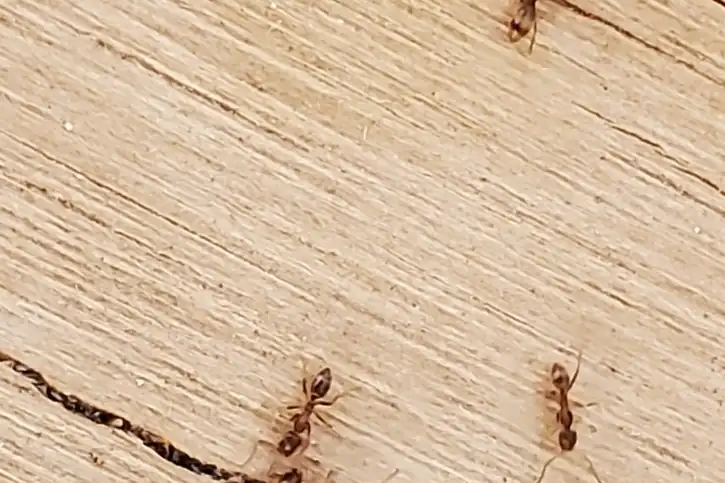
Coastal baches and holiday homes in places like the Hibiscus Coast, Snells Beach and the Gulf islands often sit closed for months. Ants move in undisturbed. Booking a treatment a week or two before you arrive for summer gives the bait time to work, so the first night isn't spent wiping trails off the bench.
If the bach is on a Hauraki Gulf island, check the island's biosecurity rules before taking plants, soil or building materials across; Auckland Council's pest plan bans moving Argentine ants to or between islands. See Hauraki Gulf islands and ants.
Don't bring ants with you
Moving house is one of the main ways ants spread. Pot plants, garden furniture, outdoor toys, firewood and boxes that sat in a garage can all carry a nest. Auckland Council's advice is to check pot plants by submerging them in water for two minutes, and to check soil, bark and gear before moving them.
Check before loading the truck, not after unloading. Moving plants and soil has a short checklist.
What the visit covers
A pre-move treatment follows the usual order: inspection inside and out, identifying the species, finding trails and entry points, and a written price before treating. Because the house is empty, the technician can be thorough with cupboards, sub-floor access and wall cavities. Bait goes on active trails and a non-repellent product at entry points outside.
If there's no sign of ants at all, the technician will say so rather than treat for the sake of it. A preventive outside treatment can still make sense in summer on properties with known neighbourhood pressure.
What it costs
Published Auckland "from" prices run from about $210 to $255 incl GST for one area or a small home and about $340 to $400 incl GST for inside and outside of a typical three-bedroom home. An empty house is quicker to treat, but the price still depends on size and the extent of the problem. You get a written price after the inspection.
See what ant control costs for sources.
Ant control questions
How long before moving in can you treat?
Anything from a few weeks before to the morning of the move works. The technician will tell you how long to keep off treated areas.
Will a building inspection pick up ants?
Usually not. A general building inspection looks at the structure; ask the inspector if you're concerned.
Can a landlord charge a tenant for ant treatment?
It depends on the cause. Tenancy Services explains the rules; see rentals and landlords.
Where these facts come from
Checked 5 November 2026