
North-west Auckland has two ant stories. In Hobsonville Point, Whenuapai and the new streets of Kumeū and Huapai, it's new housing: terraces, apartments and stand-alone homes on slabs, with shared walls, paving and fresh landscaping. On the lifestyle blocks, orchards and vineyards around Kumeū, Huapai and Waimauku, it's rural: sheds, tanks, coops, long fence lines and treatments focused on the house rather than the land.
Hobsonville Point: an air base turned suburb
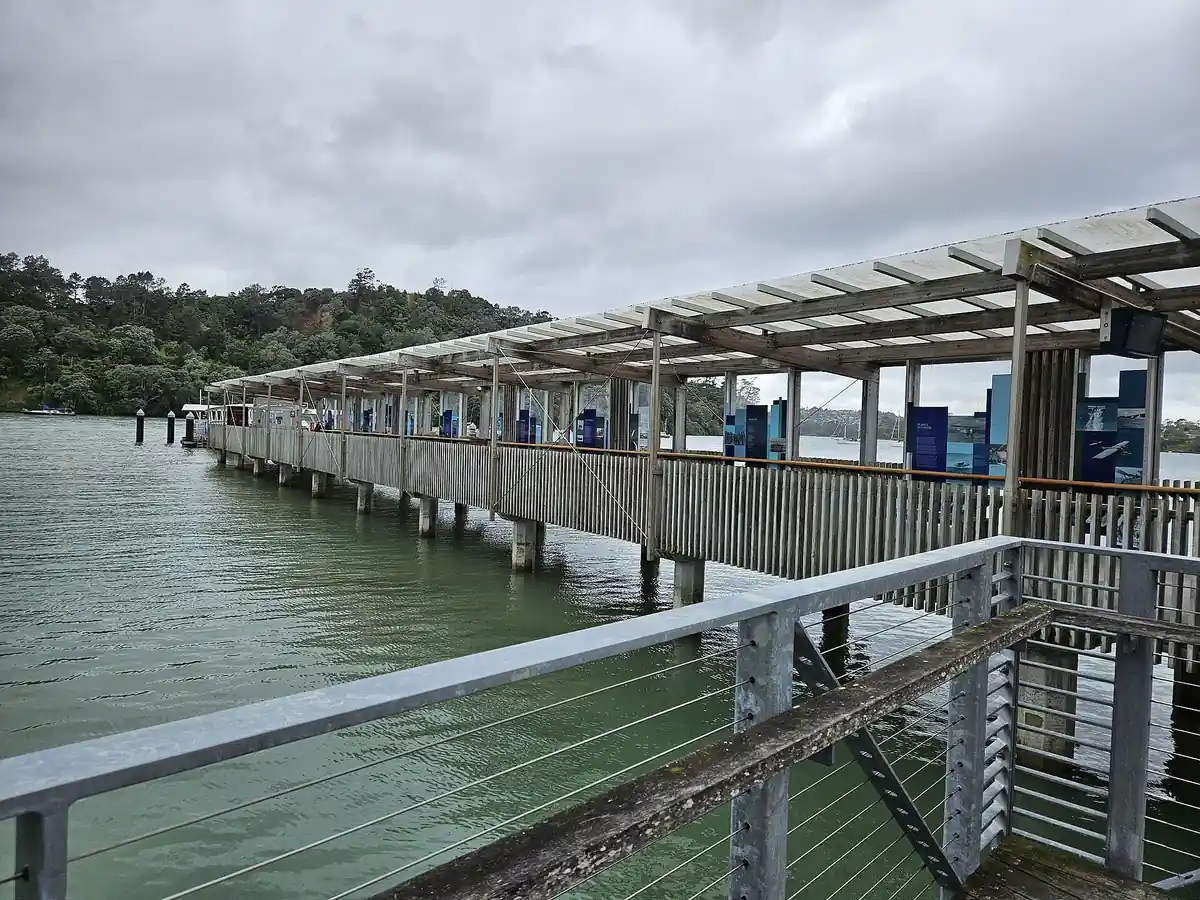
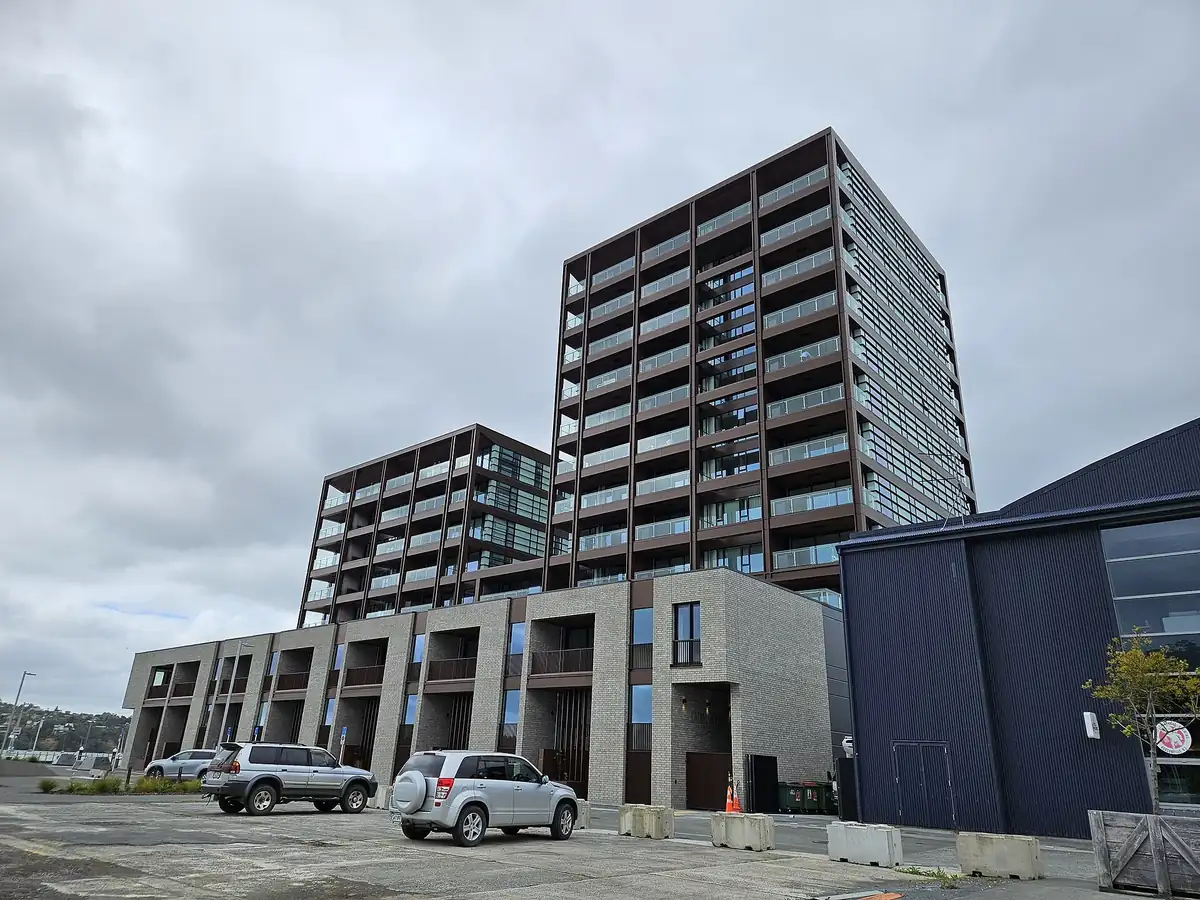
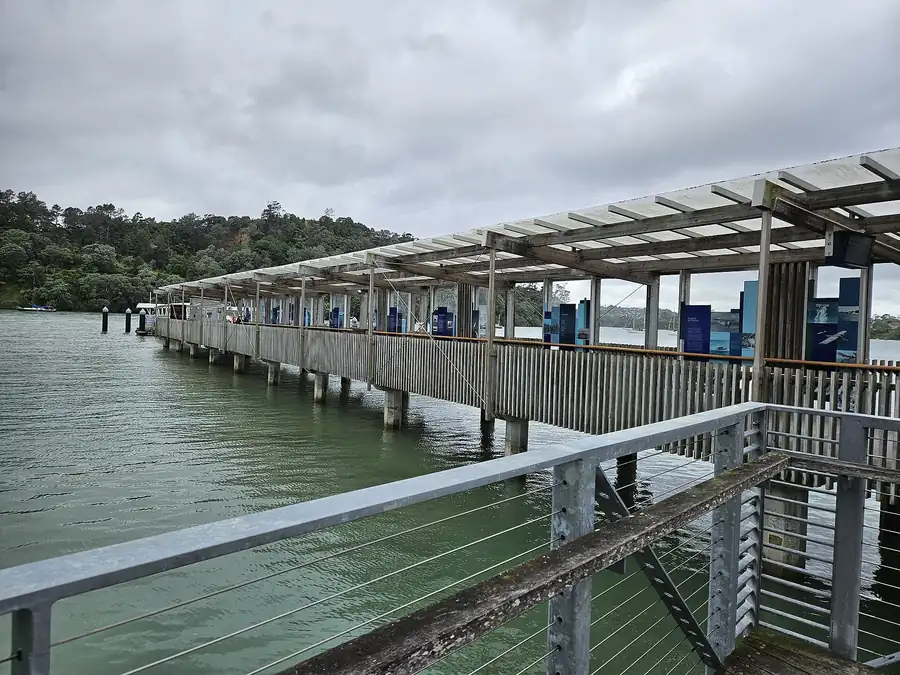
Hobsonville Point was a Royal New Zealand Air Force base until the 2000s and has been redeveloped as a dense new suburb of terraces, apartments and townhouses along the upper Waitematā Harbour, with its own ferry terminal and coastal walkways. Almost everything here was built in the last fifteen years.
New buildings with shared walls, roof spaces and service risers let ants travel between homes. Podium gardens, courtyards and landscaped streets give colonies a base. Building-wide treatment organised by the body corporate works best; see apartments and body corporate buildings.

Whenuapai's growth
Whenuapai, beside the air base that's still operating, is changing from rural edge to suburb, with new subdivisions on former farmland. As in all new subdivisions, earthworks disturb colonies, landscaping brings in soil and plants, and new homes have unsealed gaps. Argentine ants settle quickly. See ants in new builds.
The harbour edge
Hobsonville Point, Herald Island and Whenuapai sit on the upper harbour with mangroves, estuary inlets and coastal paths. Products are kept away from the water, mangroves and stormwater outlets, and outdoor treatment isn't done before heavy rain.
## Kumeū and Huapai
Kumeū and Huapai mix older rural-town homes, newer subdivisions on the town edges, and lifestyle blocks with orchards, vineyards and horses. In town, treatment follows the suburban pattern. On blocks, the focus is the house, garage, nearby sheds and the paths and gardens around them, not paddocks or vines.
Sheds, tanks and animals
Lifestyle properties here usually have sheds, workshops, water tanks, chicken coops and sometimes beehives. Feed stores and stored materials shelter nests; tank bases and pump housings are warm and dry. Products are kept away from tank inlets and drinking water. Auckland Council lists Argentine ants as killing poultry hatchlings and robbing beehives, so coops and hives need protecting carefully. See ants around chickens and beehives.
Vineyards and orchards
Commercial growers manage crop pests through their own programmes, and this service doesn't treat crops. Where a home sits within an orchard or vineyard, the house and immediate grounds can be treated with products kept off crops and flowering plants.
Living next to an airfield
Whenuapai's air base is still in use, and the land around it is a mix of mown grass, hangars and new housing. Large areas of short grass and concrete taxiways are classic habitat for ground-nesting ants, and colonies on open ground next to a subdivision can push trails into the nearest homes in summer. Residents on the base boundary see this more than those a few streets back.
Coming from the city with pot plants
A lot of people in Hobsonville, Whenuapai and Kumeū moved out from older Auckland suburbs, and many brought pot plants, garden furniture and outdoor gear with them. That's one of the easiest ways for Argentine ants to reach a new street. If your new home had ants within weeks of moving in, check the pots you brought: council suggests holding each one under water for two minutes and watching what floats up. More in moving plants and soil.
Ferry commuters and access
Many Hobsonville Point residents commute by ferry and are out all day. In terrace blocks and apartment buildings, access for a building-wide treatment is usually arranged through the body corporate or building manager, with keys or a scheduled day. On lifestyle blocks, outside work can often go ahead with gate access while you're at work, with the inside done at a time that suits.
Spring timing
North-west Auckland warms quickly inland, and Kumeū's sheltered valleys can see trails early in spring. A treatment around late September or October, before the November to March peak, suits both the new suburbs and the blocks. Landcare found spring baiting around early October works as well as summer baiting. See seasonal ant programme.
Travel and pricing in the north-west
Hobsonville and Whenuapai carry no travel charge. Rural blocks further out around Kumeū, Huapai and Waimauku can, and that's confirmed before booking. The treatment itself is priced like the rest of Auckland: published starting figures sit at roughly $210 to $255 incl GST for one area and $340 to $400 incl GST for inside and outside of a three-bedroom house. Apartment buildings and rural outbuildings are quoted after a visit.
Ant control questions
Our Hobsonville terrace has ants. Should neighbours treat too?
It helps a lot. Ants move between terraces through shared walls and roof spaces.
Do you treat vineyards or orchards?
No. The house and immediate grounds can be treated; crop protection is the grower's programme.
Is there a travel charge to Kumeū?
Town addresses usually not; outlying rural blocks may. It's confirmed before booking.
Where these facts come from
Checked 5 November 2026