
Auckland Council's pest profile lists Argentine ants as killing poultry hatchlings and robbing beehives. To protect them, keep coops and hives off the ground on stands with ant barriers, keep feed and honey spills cleaned up, and control ants around them with bait in stations rather than sprays. Many insecticides are toxic to bees, so treatment near hives must avoid flowering plants and hive stands, and be planned with the technician.
What Argentine ants do to poultry
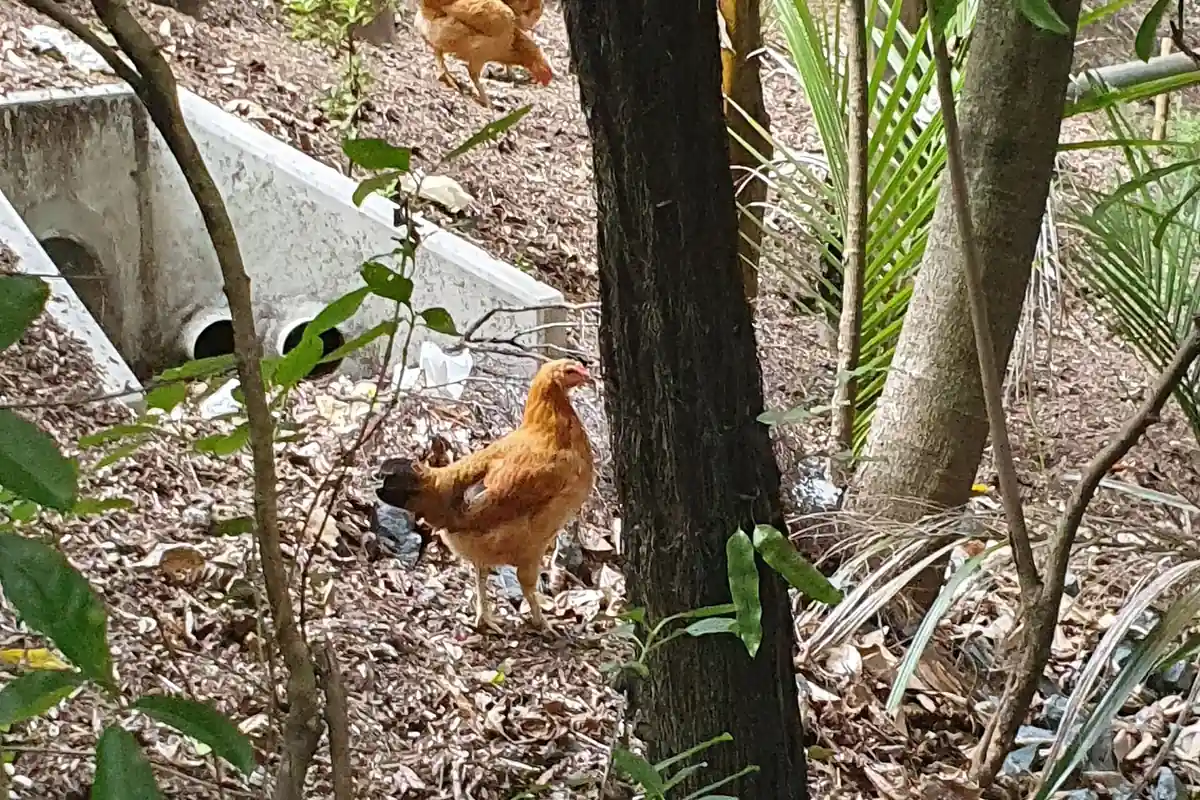
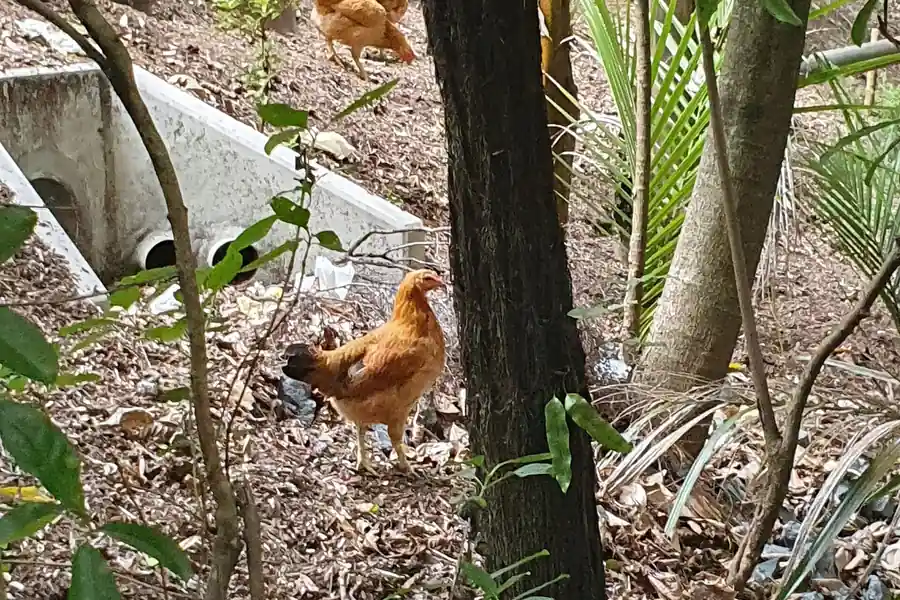
Argentine ants are attracted to protein and moisture, and a nest of newly hatched chicks offers both. Auckland Council lists killing poultry hatchlings among the species' impacts. Ants can also swarm feed, water and nesting boxes, stressing laying hens. Adult hens eat some ants, but they can't keep up with a large Argentine ant population.
Backyard flocks are common on Auckland's lifestyle blocks and in bigger suburban sections, so this matters more than people expect. See Pukekohe and Franklin for rural notes.
Protecting the coop
- raise the coop and brooder off the ground on legs
- stand the legs in containers of water, or wrap them with a sticky ant barrier
- keep chick brooders indoors or in a sealed area during ant season
- clean up spilled feed daily and store feed in sealed bins
- keep nesting material dry and change it regularly
- trim grass and plants touching the coop, which ants use as bridges
What Argentine ants do to hives
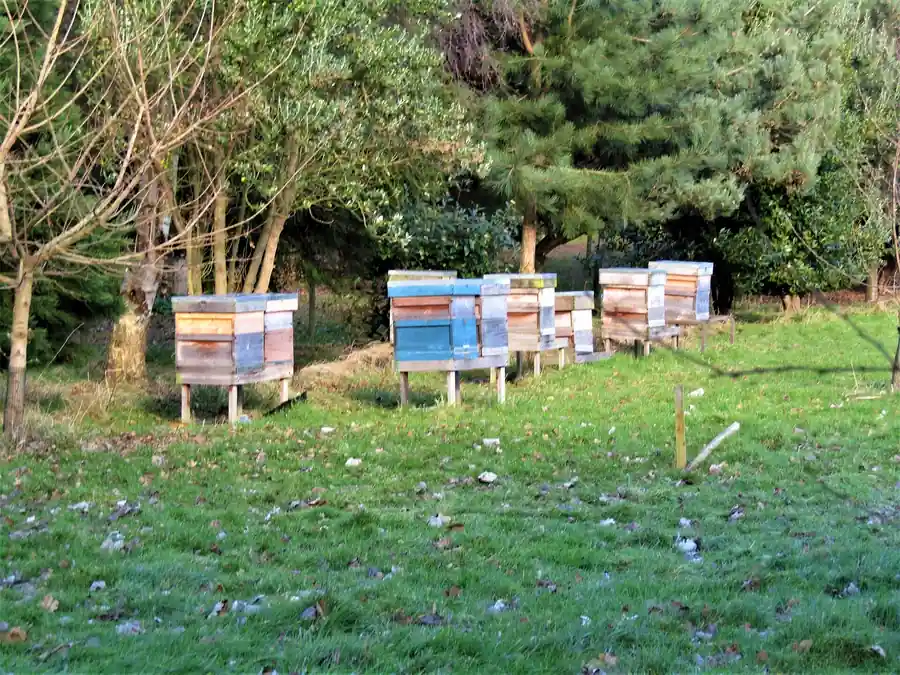
Auckland Council also lists robbing beehives. Argentine ants raid hives for honey, brood and dead bees, and a hive under constant ant pressure is weakened. Strong colonies defend themselves better than weak ones, but persistent raids in summer take a toll.
Hive stands with legs in oil or water moats, kept clear of grass and twigs, are a common defence. Keep hives away from fences and walls that ants travel along.

Why treatment near hives needs care
Many ant products are harmful to bees. That means no spraying of flowering plants, nothing on hive stands or entrances, and products placed where bees won't forage. Bait inside closed stations at ground level, away from the hive, lets ants feed while bees can't reach it. Non-repellent sprays go on the house's entry points, not near hives. Tell the technician exactly where your hives are when you book.
Treating the section
If Argentine ants are threatening chickens or bees, the section usually has a large colony network, often extending next door. A technician treats nests and trails along paths, fences and garden beds, and places bait stations near the coop and away from hives. The house's entry points are treated too. A follow-up is common. See Argentine ant control.
Published Auckland prices for inside and outside of a typical three-bedroom home start at about $340 to $400 incl GST; larger rural sections add time, and outlying addresses can carry a travel charge.
Aphids, scale and the food supply
Argentine ants thrive where they can farm aphids and scale for honeydew, which feeds large colonies. Controlling sap-feeders on fruit trees and shrubs near the coop and hives, mainly by keeping ants off the plants, reduces the ant population over time. See ants farming aphids and scale.
Safety for the animals
Keep hens out of treated areas until the technician says they can return. Don't let chickens peck at bait stations; place them where hens can't reach. Collect eggs before treatment. If a pet or animal eats an ant product, call your vet with the label. For people, the National Poisons Centre is on 0800 764 766.
Ant control questions
Will Argentine ants kill adult hens?
The concern is hatchlings and chicks. Adult hens are stressed by heavy ant activity but are less at risk.
Can I treat ants without harming my bees?
Yes, with care: bait in closed stations away from hives, and no spraying of flowering plants.
Do ants take honey from my hive?
Argentine ants rob hives, according to Auckland Council. Strong colonies and good stand barriers help.
Where these facts come from
Checked 5 November 2026