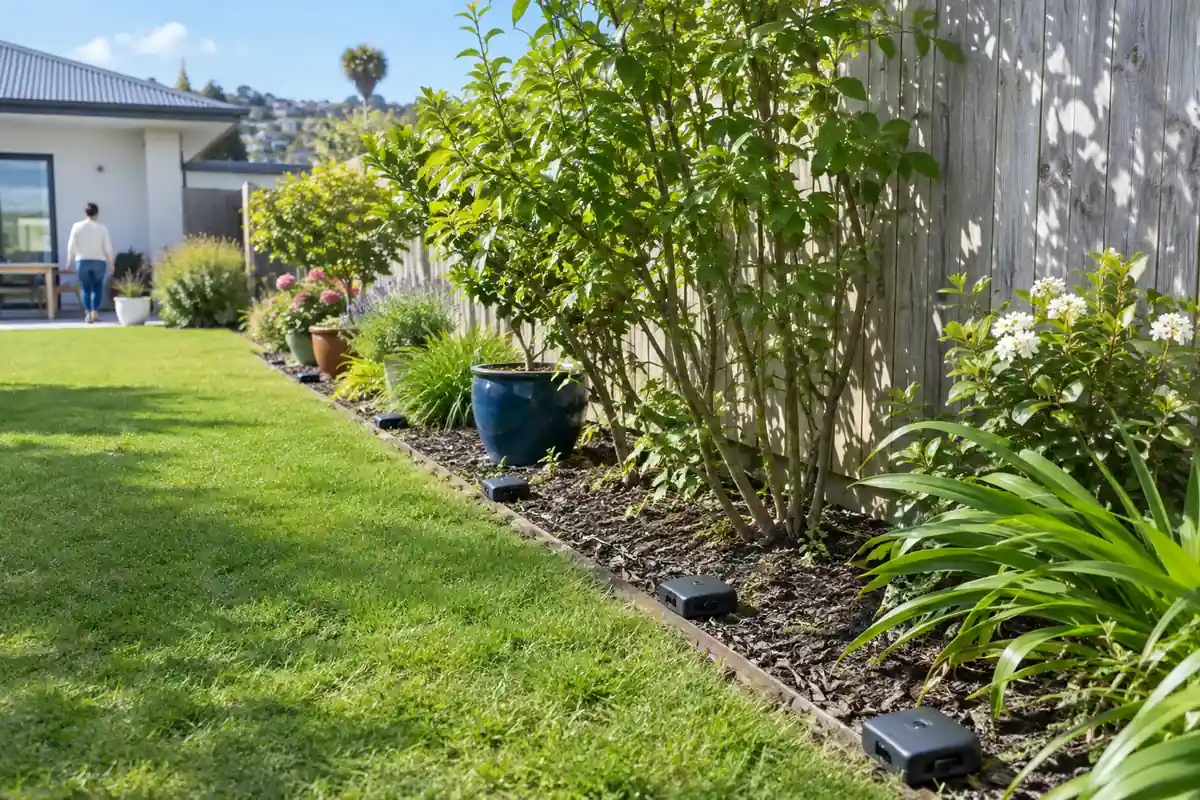
A seasonal ant programme is a planned treatment each spring, before Argentine ant numbers peak, plus an agreed follow-up and checks as needed through summer. It suits properties that get ants every year: homes next to infested reserves or neighbours, rentals with changing tenants, and food businesses. Landcare Research found spring baiting works as well as summer baiting, and treating early means the colony never reaches its summer size around your house.
Why timing matters more than strength
Ant colonies in Auckland follow the weather. Landcare Research found Argentine ants forage most between about 10 and 30°C and stop below about 15°C or above 32°C, with numbers lowest in winter and worker activity peaking in mid-summer. A treatment in spring catches the colony as it starts to grow; a treatment in January is fighting it at full strength.
Landcare's work on baiting found that spring baiting, around early October, works as well as summer baiting. That's the core idea of a programme: put the effort in before the November to March peak, when ants are actively foraging but numbers are still manageable, and technicians have more time to do the job properly.
Who a programme suits
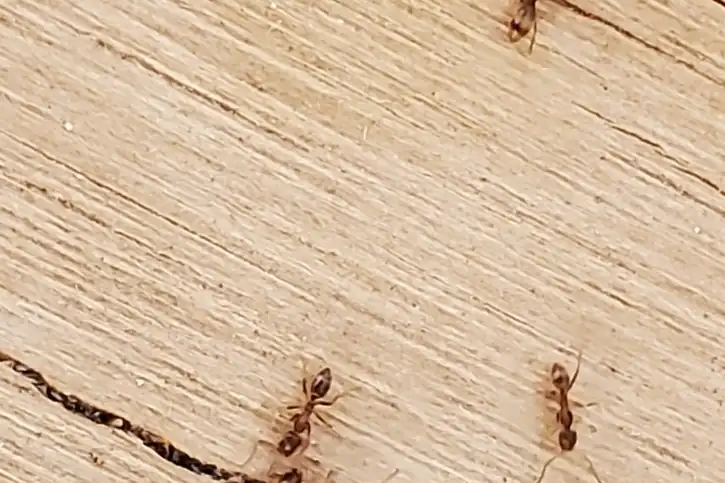
A once-off treatment is enough for many homes. A programme makes sense where ants are likely to return every year whatever you do, because the source is outside your control.
- homes next to reserves, gullies, parks or neighbours with heavy Argentine ant infestations
- properties with large gardens, long fence lines, decks and retaining walls
- rentals, where a new tenant shouldn't inherit last summer's ants
- cafes, food premises and childcare centres that need ants kept out and records kept
- body corporate buildings with shared grounds
- lifestyle blocks with poultry or beehives that Argentine ants affect
A typical year
A typical programme has one main spring treatment and one or two follow-ups. The exact schedule depends on the species and the property and is agreed in writing before the first visit.
| When | What happens |
|---|---|
| Late September to October | Main treatment: inspection, boundary and entry points, bait inside and out |
| November to December | Follow-up: new trails, budded nests, any area missed |
| January to March | Check or callout if trails reappear in peak season |
| Autumn | Optional check for properties with heavy pressure or food businesses |
What each visit includes
Each visit follows the same order as a once-off treatment. The technician asks what you've seen since the last visit, inspects inside and out, notes any changes to the garden or building, treats entry points and travel routes with non-repellent products, places bait on active trails, and records what was done. Businesses receive a written record for their files.
Because the technician knows the property, later visits are often quicker and more targeted. Changes like new paving, a new deck or a neighbour's renovation are worth mentioning, because they move trails.
No lock-in
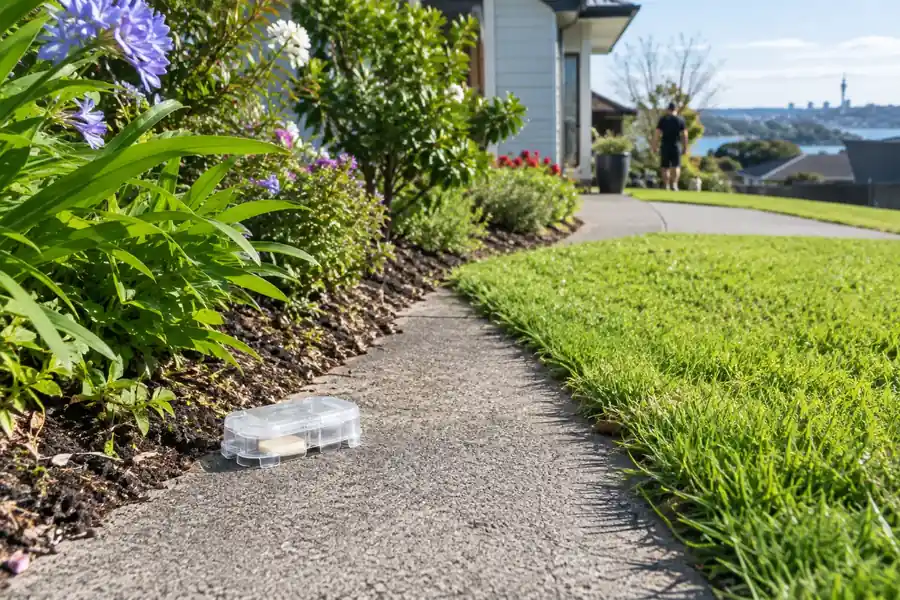
A programme is a plan, not a contract you're trapped in. The schedule, what each visit includes and the price per visit are agreed in writing up front. If the ants stop being a problem, or your circumstances change, you can stop. If you sell or move out, the plan ends with you.
Ask for the terms in writing before agreeing, including what happens if ants return between scheduled visits. Under the Consumer Guarantees Act, services must be carried out with reasonable care and skill.
Programmes for rentals and businesses
Landlords use spring programmes to keep properties ant-free between tenancies; Tenancy Services expects a property to be free of pests at the start of a tenancy. Food businesses use them because their food control plans expect pests kept out and records kept. In both cases, the written visit record is useful in its own right.
See rentals and landlords and commercial ant control for the specifics.
What you do between visits
A programme works best with a little help. Keep benches clean and food sealed, don't spray the trails, trim plants away from the house, fix leaks, and check pot plants before bringing them inside. If you see a new trail between visits, take a photo and ring rather than reaching for a can.
After a treatment has the full aftercare list.
Pricing
Programmes are quoted after the first visit, because the number and timing of visits depends on the property. No Auckland operator we checked publishes programme prices. For context, a single inside-and-outside treatment of a typical three-bedroom home is published at about $340 to $400 incl GST, and one area or a small home at about $210 to $255 incl GST.
The quote should state the price per visit, what's included, whether GST is in the figure, and how to stop. See what ant control costs.
Ant control questions
When should I book a spring treatment?
Late September or October is ideal. Early November still works well. By December, the peak is under way.
Is a programme cheaper than calling when I see ants?
Often, over a season, because one well-timed treatment can replace several reactive ones. It depends on the property.
Can I add a programme after a once-off treatment?
Yes. Many people start with a treatment in summer and book a spring visit for the following year.
Where these facts come from
Checked 5 November 2026