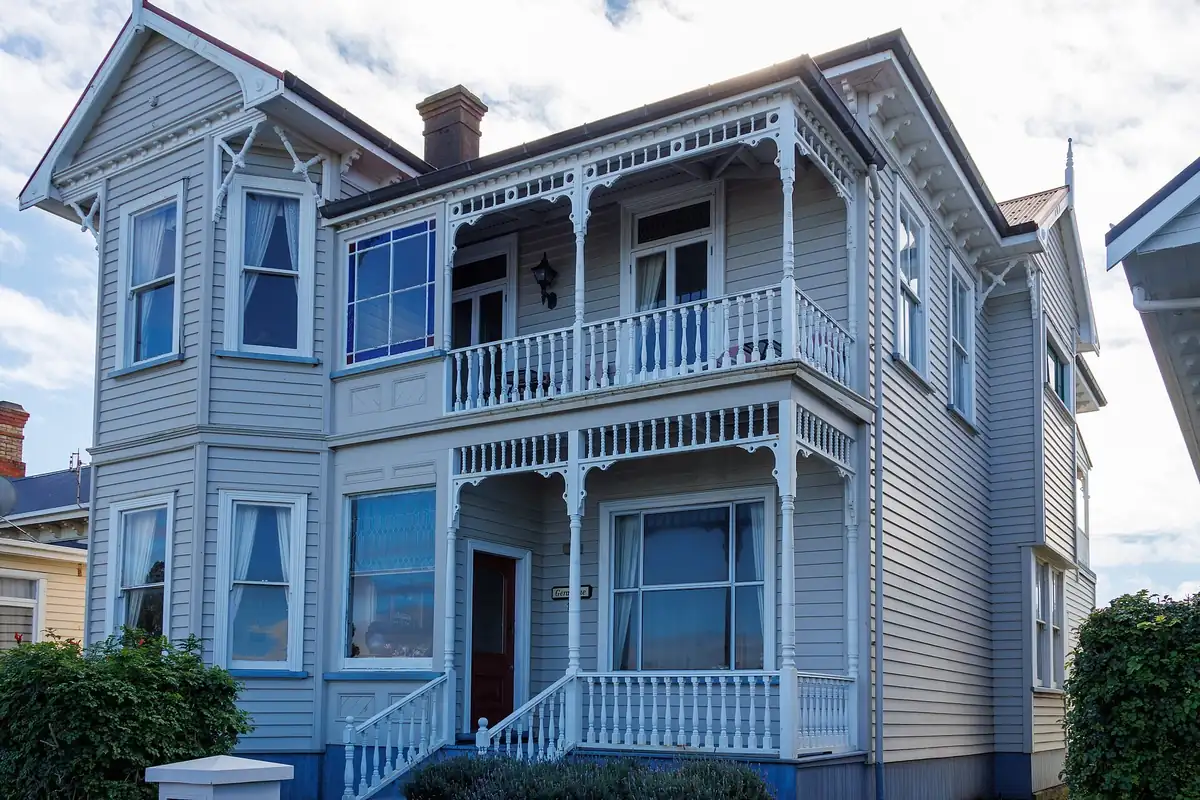

The inner North Shore splits neatly into three ant situations. Devonport's Victorian and Edwardian villas behave like the central isthmus, with sub-floors and old joinery. Takapuna's apartment towers and beachfront homes have shared walls, podium gardens and sandy ground. Northcote and Birkenhead's post-war bungalows and state houses sit on Waitematā clay with big back gardens. The technician's first questions are about which of the three you live in.
Devonport under the cones
Devonport is one of Auckland's oldest suburbs, with streets of villas and cottages around Takarunga Mt Victoria and Maungauika North Head. These timber homes sit on piles, often on volcanic ground, with verandahs, bay windows and many layers of paint over old joinery. Ants move through sub-floors, cavities and the gaps around sash windows.
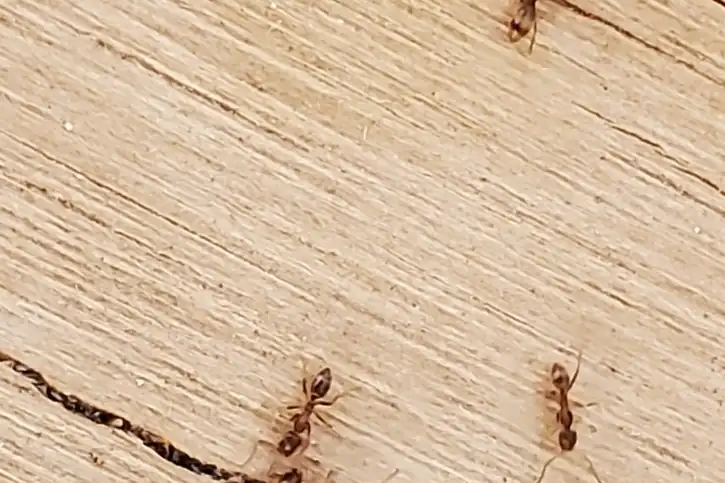
White-footed house ants, which Landcare Research records nesting in wall cavities, are common in these older homes. Trails at light switches, power points and the top of walls are typical. Never spray into a fitting; see ants in power points.
Takapuna: apartments and the beach
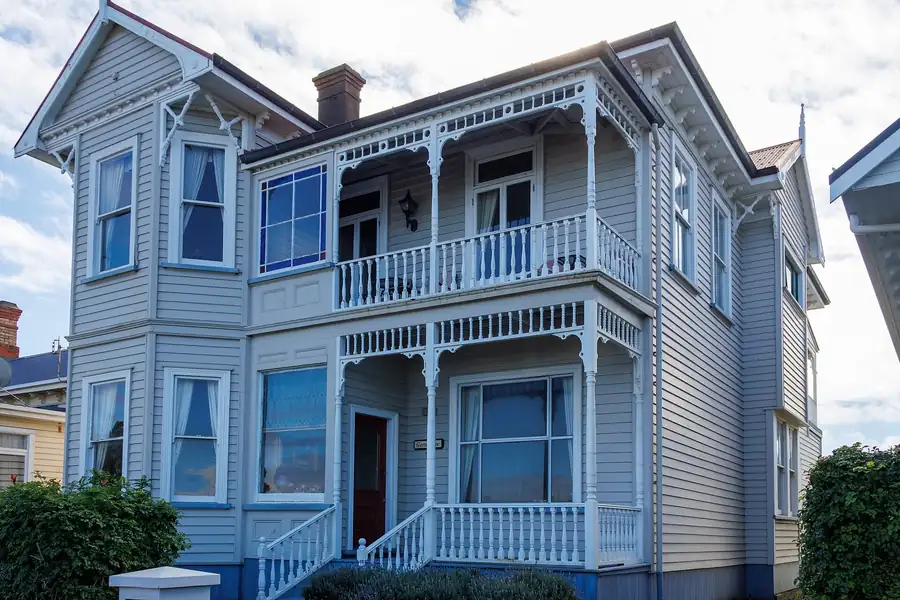
Takapuna has the North Shore's densest housing, with apartment buildings around the town centre and Lake Pupuke and expensive homes along the beach. In apartments, ants travel through shared service risers and walls, and podium gardens and balcony planters shelter nests. A building-wide treatment organised by the body corporate works best. See apartments and body corporate buildings.
Beachfront and Lake Road homes sit on sandier ground, which drains quickly and is easy for ants to dig. Paving and pool surrounds add warm routes. Products are kept away from the beach, the lake edge and stormwater outlets.
Northcote and Birkenhead
Further west, Northcote, Birkenhead and Hillcrest have large numbers of 1950s and 60s bungalows and state houses on Waitematā clay ridges, many with big back gardens running down to bush gullies. Northcote has also seen extensive redevelopment, with new terraces replacing older state houses. Old and new sit side by side.
Clay soils crack in dry summers, opening channels that ants use, and hold water in winter, flooding nests and sending them indoors after heavy rain. Gully-edge sections have native ants in the bush that are best left alone, and introduced ants nearer the house that aren't.
Harbour cliffs and gullies
The inner Shore is cut by gullies and edged by harbour cliffs. Homes backing onto bush reserves get more outdoor ant pressure from areas no one treats, so the shared boundary matters. Keep plants and branches trimmed back from the house, and keep compost bins and firewood away from the walls.
The bridge and the timing
The inner Shore is a short drive from the city over the harbour bridge, so there's no travel charge. Bridge traffic does affect timing, so mornings can be tighter. In summer, when trails are at their worst from November to March, booking a week or two ahead helps. A spring treatment avoids the rush; see seasonal ant programme.
Winter trails in older homes
People in Devonport villas are often surprised to have ants in July. A colony nesting in a heated wall cavity doesn't feel the winter. White-footed house ants in particular can stay active indoors all year. A winter trail is actually a good time to treat, because there's no summer flood of outdoor ants to confuse things. See ants in winter.
A visit on the Shore
The technician checks the rooms with trails, wall fittings and window frames, the sub-floor where the hatch allows, the outside walls, paths and decks, and the garden edge. In apartments, common areas and balconies too. You get a written price before anything is treated.
Price on the Shore
There's no bridge surcharge or travel fee for these suburbs. Prices follow the property: a Takapuna apartment kitchen is a smaller job than a two-storey Devonport villa with a deep sub-floor. Auckland businesses publish starting prices around $210 to $255 incl GST for a single area, and around $340 to $400 incl GST for a full three-bedroom house inside and out. Your written figure follows the inspection.
Ant control questions
Do apartments in Takapuna need the whole building treated?
It works best, because ants travel through shared risers and walls. A single unit can still be treated.
Why are there ants in my villa in winter?
A colony in a heated wall cavity stays active. White-footed house ants are the usual cause.
Do bush gullies bring more ants?
They bring more ants outside, many of them native. Treatment focuses on the house and its boundary.
Where these facts come from
Checked 5 November 2026