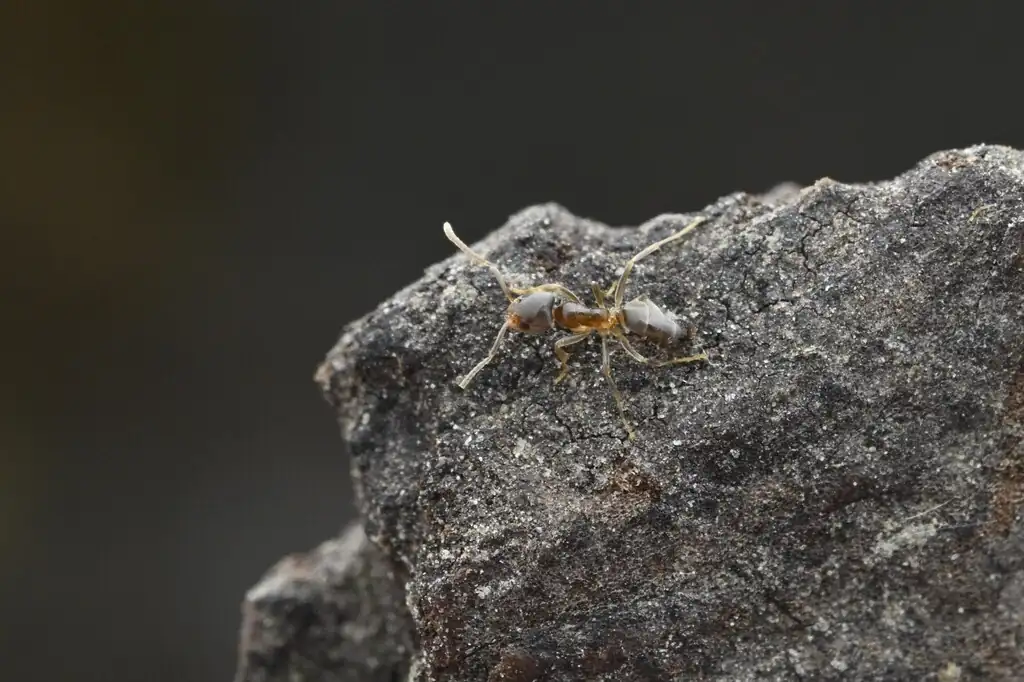
Darwin's ants are treated much like Argentine ants: bait where they feed, a non-repellent product along their routes and entry points, and attention to the garden as well as the house, because colonies live outside and spread through soil and plants. The first job is confirming the species, since Darwin's ants are regularly mistaken for Argentine ants and the two can occur on the same property.
How to recognise Darwin's ant
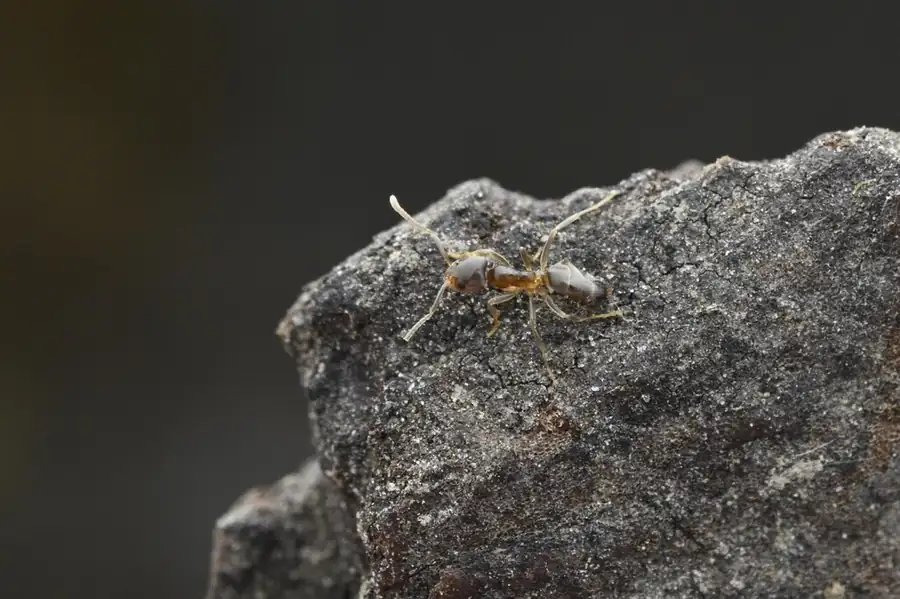
Darwin's ant, *Doleromyrma darwiniana*, is small, about 2 to 5 mm according to Auckland Council, with a darker head and a paler body. The easiest test is smell: crushed workers give off a strong odour, often described as sharp or chemical. Argentine ants don't smell like this. Darwin's ants run in trails like Argentine ants, though often thinner and less frantic.
The council profile says the species came to New Zealand from Australia, from the Darwin region, which is how it got its common name. It is found in urban areas, forest and coastal scrub. If you're unsure whether you have Darwin's or Argentine ants, a close photo and the smell test usually settle it; telling house ants apart has more field marks.
Why Auckland treats it as a pest
Auckland Council's Regional Pest Management Plan lists Darwin's ant with the same statuses as the Argentine ant: sustained control across the region, plus site-led management in the Hauraki Gulf Controlled Area. Nobody may breed, move, release or sell it anywhere in Auckland. The council's reasons are environmental: it competes with native insects and encourages aphids and scale.
That last point matters in gardens. Darwin's ants protect sap-sucking insects for their honeydew, so a heavy infestation often comes with aphids on roses, scale on citrus and sooty mould on leaves. Controlling the ants helps the plants recover. See ants farming aphids and scale.
Where they nest
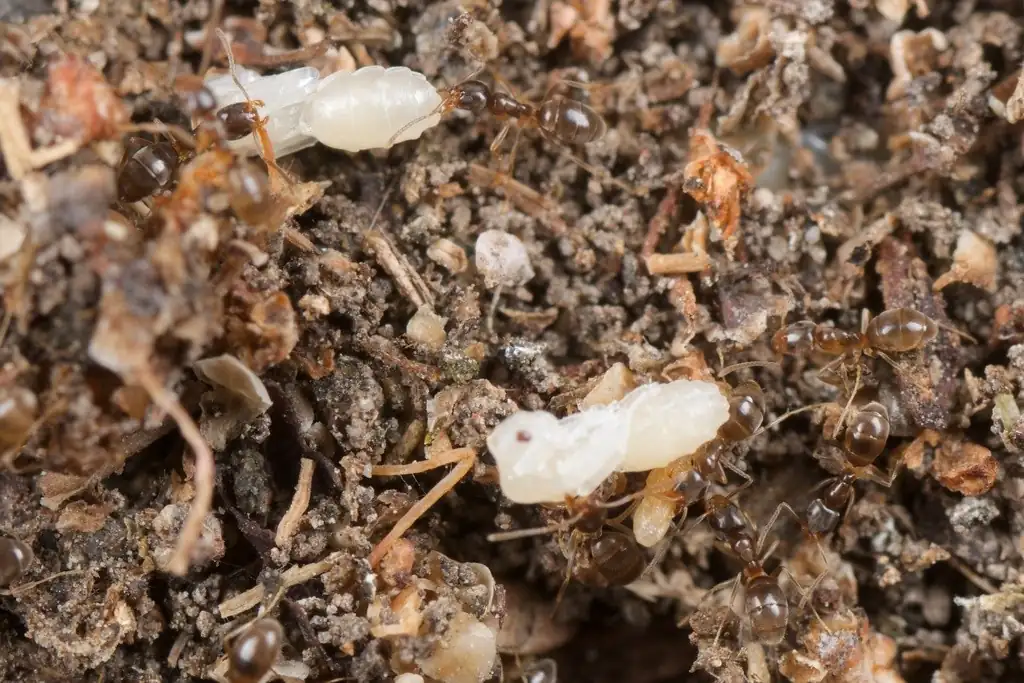
Most Darwin's ant nests are outside, in soil, under paving and stones, in garden beds and around the roots of plants and shrubs. Trails come indoors looking for sweet food and water, usually through the same gaps Argentine ants use: door thresholds, weep holes, gaps around pipes and cables, and window joinery. Pot plants brought in from the garden can carry a nest inside.
Because the nests are spread through the garden, the technician spends most of the visit outside, following trails from the house to the garden beds and paths. Inside work is usually limited to bait along the trails and checks under sinks and behind appliances.
What the technician does
The visit follows the usual order, with the emphasis on confirming the species and treating outside. The technician asks what you've seen and used, identifies the ant, walks the outside of the house and the garden, follows trails to nest areas, explains what they've found and gives you a written price before treating.
- Bait placements on active trails inside and on the main foraging routes outside, in stations where children or pets are around.
- A non-repellent treatment at entry points and along path edges, the base of walls and retaining walls.
- Targeted treatment of obvious nest sites in garden beds and under pavers, kept away from drains, ponds and edible plants.
- Advice on pot plants, aphids and scale, and when to expect results.
A follow-up after a few weeks is common where the infestation covers the whole section, as it often does.
Darwin's ants and Argentine ants together
The two species can occur on the same property or in the same street, and the treatment approach overlaps a great deal. Both spread mainly through people moving soil and plants, both protect sap-feeding insects, and both shrug off repellent sprays. Where both are present, the technician treats for the more demanding species, usually the Argentine ant.
Argentine ants tend to dominate other ants where they're established, so a property with a big Argentine ant population may have few Darwin's ants and vice versa. Either way, Argentine ant control describes the boundary approach that suits both.
Don't move them around
The pest plan rule against moving Darwin's ants has practical consequences. Before giving away or moving pot plants, compost, mulch, soil or bark from a property with these ants, check for nests. Council advice is to submerge pot plants in water for two minutes to flush out ants. Moving to or between Hauraki Gulf islands needs extra care.
If you've just moved house and brought your pot plants with you, check them before they go into the new garden. More in moving plants and soil.
What it costs
Darwin's ant jobs vary from one area of the house to the whole section. Published Auckland "from" prices run from about $210 to $255 incl GST for one area or a small home, and about $340 to $400 incl GST for inside and outside of a typical three-bedroom home. Larger gardens add time. Your price is set in writing after the visit.
Ask whether a follow-up is included and whether GST is in the figure. See what ant control costs for the sources.
Ant control questions
Do Darwin's ants sting?
They aren't known as a stinging ant in New Zealand. The concern is nuisance indoors and harm to native insects and garden plants.
Why do they smell?
Crushed workers release a defensive chemical. The strong odour is a useful way to tell them from Argentine ants.
Will they come back next summer?
Neighbouring gardens can reseed a property. A spring treatment before the warm months is the most reliable prevention; see seasonal ant programme.
Where these facts come from
Checked 5 November 2026