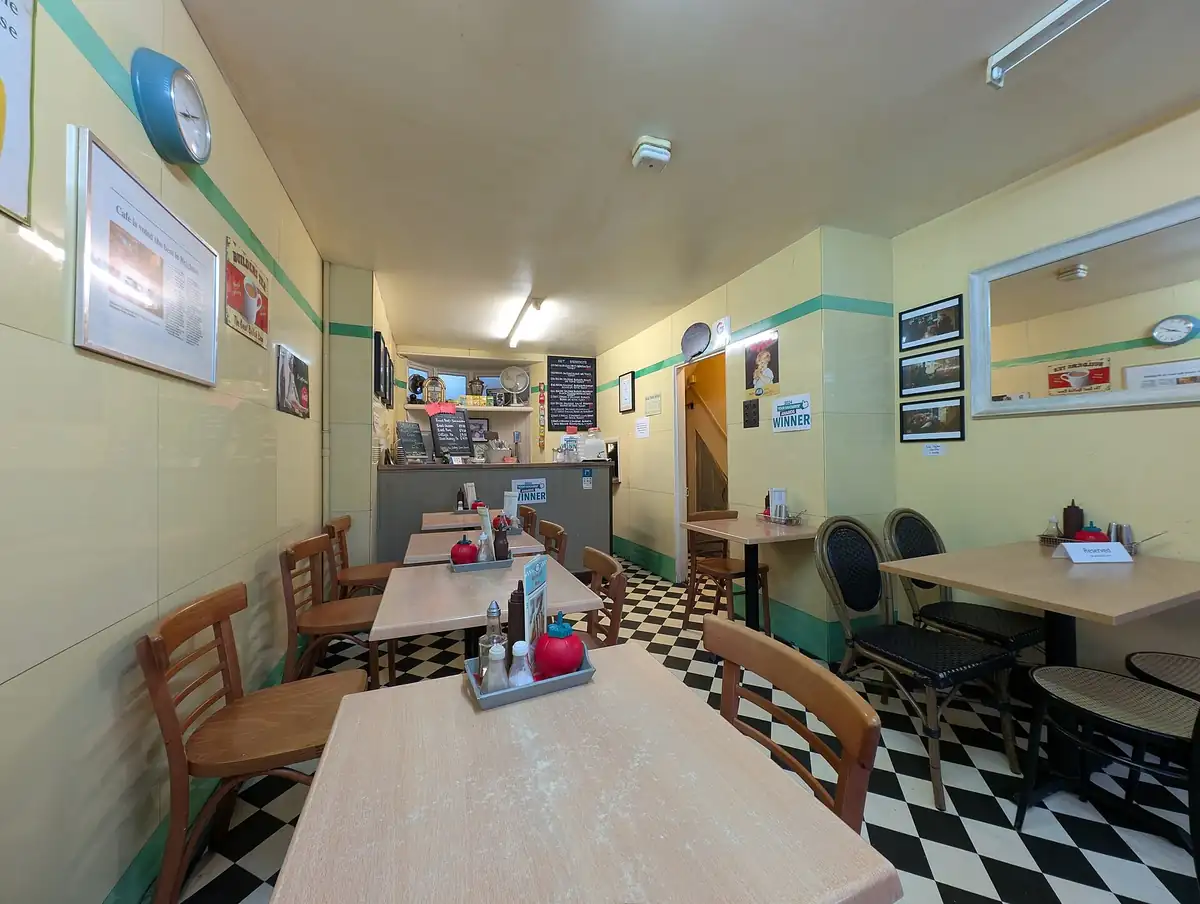

Commercial ant control starts with a site survey, followed by a written plan: where the ants are coming from, what will be treated, when the technician can work without disrupting trade, and how often they'll return. Food businesses get placements that keep products well away from food and food-contact surfaces, and a written record of each visit that fits alongside a food control plan. Pricing is quoted after the survey.
Who commercial ant control is for
Any business where ants affect customers, staff, stock or hygiene can use a commercial service. Most requests come from food businesses, but ants cause trouble in many workplaces in Auckland, especially through the November to March peak.
- cafes, restaurants, bakeries, takeaways and food trucks with a base
- food manufacturers, commercial kitchens and catering premises
- early childhood centres, schools and rest homes
- offices, retail shops and showrooms
- warehouses, distribution centres and cool stores
- holiday accommodation and motels
## Why businesses need a different approach
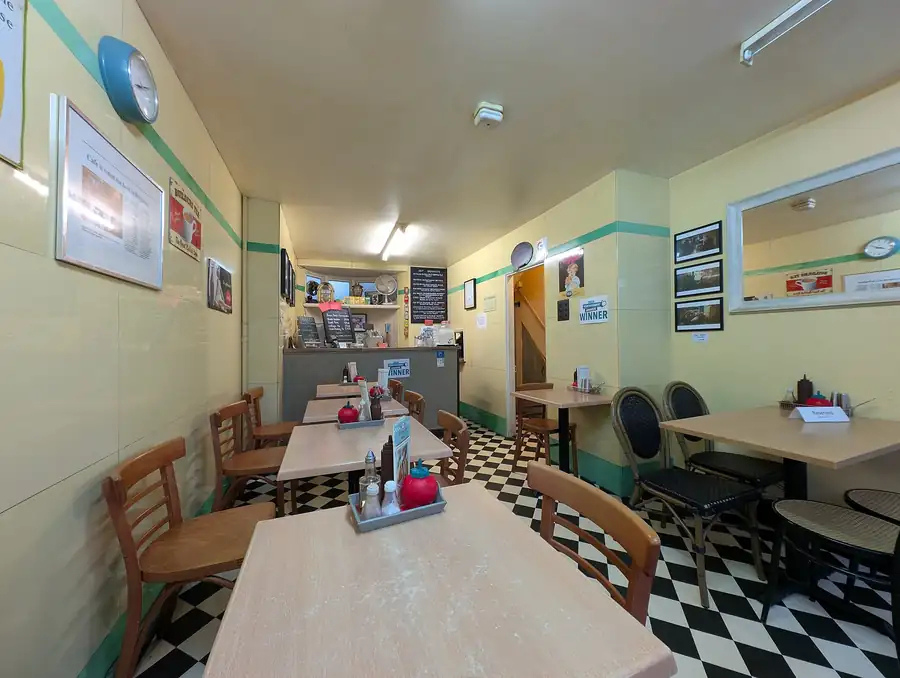
A business can't close the kitchen for a day or explain a trail of ants to customers. Commercial jobs therefore differ from household jobs in three ways: timing, records and scale. Visits are planned around trading hours, every visit is documented, and the treatment often covers a larger building with several tenants or entry points.
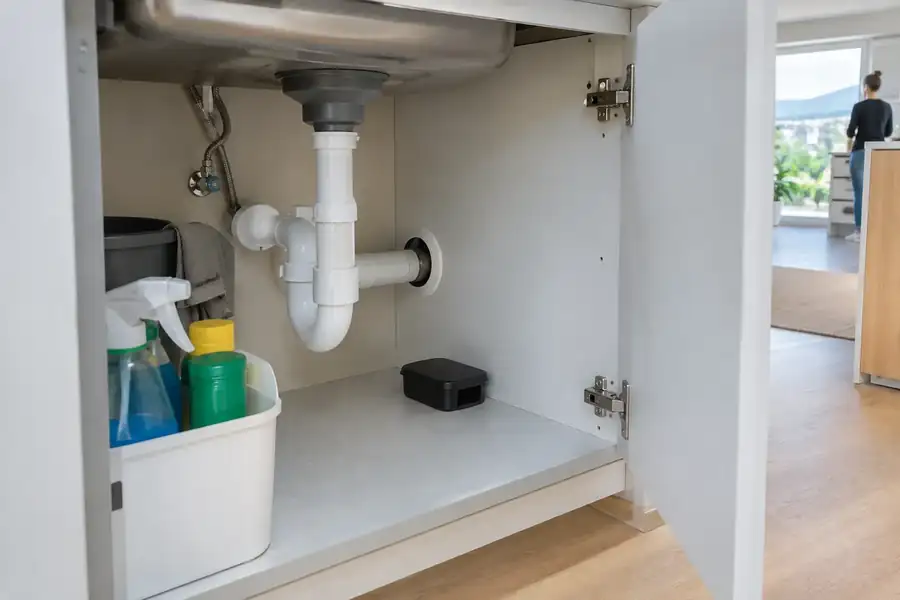
Food premises add a fourth difference: products must never contaminate food, packaging or food-contact surfaces. That rules out surface spraying in prep areas and puts the emphasis on bait in cracks and closed stations, and on outside treatment where the ants enter.
The site survey
Before any treatment, a technician walks the whole site: the kitchen or production floor, storage areas, staff rooms, toilets, bins, loading bays, the outside walls and any gardens or neighbouring sections. They identify the species, find entry points and likely nests, and note conditions that attract ants, such as spills, drains, leaks and gaps around services. The survey becomes the written plan and quote.
The survey also identifies things the business can fix: door seals, gaps behind equipment, bin storage, drainage and cleaning routines. Fixing those makes treatment last longer and reduces the number of visits needed.
Treatment around food and customers
In food areas, technicians use gel bait in very small placements inside cracks, behind and under equipment and at pipe entries, and closed bait stations where needed. Outside, non-repellent products go at the base of walls, doorways, loading bays and service entries. Surface spraying in food areas is avoided. Every product is applied to its label directions under the HSNO Act 1996.
Visits can usually be arranged before opening, after closing or on quieter days, where the technician's schedule allows. Staff are told what's been placed and where, so cleaners don't remove the bait the next morning.
Records and your food control plan
Food businesses operating under the Food Act 2014 use food control plans or national programmes that expect pests to be kept out and checks recorded. A commercial ant service supports that with a written record of each visit: date, what was inspected, what was found, products used and where, and recommendations. Keep these with your plan for verification visits.
We can't tell you what your verifier will ask for; that depends on your plan. What we can do is make sure every visit is documented clearly. Food businesses and ants explains how ant control fits into day-to-day food safety.
One-off jobs and ongoing service
Some businesses need a single treatment to clear a problem. Others, especially food premises and sites next to infested reserves or gardens, need regular visits. An ongoing service usually means a planned spring treatment before the November peak, checks through summer, and callouts if trails reappear. The schedule is agreed in writing.
Landcare Research found spring baiting for Argentine ants, around early October, works as well as summer baiting, which makes spring the best time to start. See seasonal ant programme.
Multi-tenant buildings and shared sites
Ants don't respect tenancy boundaries. In shopping centres, food courts, office buildings and industrial units, a treatment limited to one tenancy often fails because the colony lives in shared walls, ceilings or landscaping. The best results come when the building owner or property manager arranges a treatment across the site, with tenants told in advance.
The same principle applies to apartment buildings; see apartments and body corporate buildings.
Pricing
Commercial ant control is quoted after the site survey, because sites vary too much for a published figure to mean anything. No Auckland operator we checked publishes commercial ant prices. For context, published household "from" prices are about $210 to $255 incl GST for one area and $340 to $400 incl GST for a three-bedroom home; commercial sites are usually larger and need records and follow-ups.
Ask whether the quote includes GST, the number of visits, out-of-hours work and written reports. Reading an ant quote has a checklist.
Ant control questions
Can you come before we open?
Early-morning and after-hours visits can be arranged where the schedule allows. Ask when you book.
Will we need to close?
Usually not. Bait in cracks and stations, and outside treatment, can be done around trading with care.
Do you provide a report for our verifier?
Each visit is recorded in writing: what was inspected, found and used, and any recommendations.
Where these facts come from
Checked 5 November 2026