
Food businesses in New Zealand operate under the Food Act 2014, and their food control plans or national programmes expect pests to be kept out and checks recorded. For ants, that means daily habits that remove food and water, regular checks of where ants enter, and treatment that keeps products away from food and food-contact surfaces, with each visit documented. In Auckland, planning a spring treatment before the November to March peak is the most effective step.
Why ants are a food safety issue
Ants walk through drains, bins and soil before walking across benches and food. In a commercial kitchen they can contaminate food, packaging and surfaces, and customers who see a trail on the counter rarely come back. Under the Food Act 2014, businesses are responsible for selling food that's safe and suitable, and keeping pests out is part of that.
The detail of what your plan requires depends on which plan or programme you operate under. We can't tell you what your verifier will ask; your plan and your verifier can.
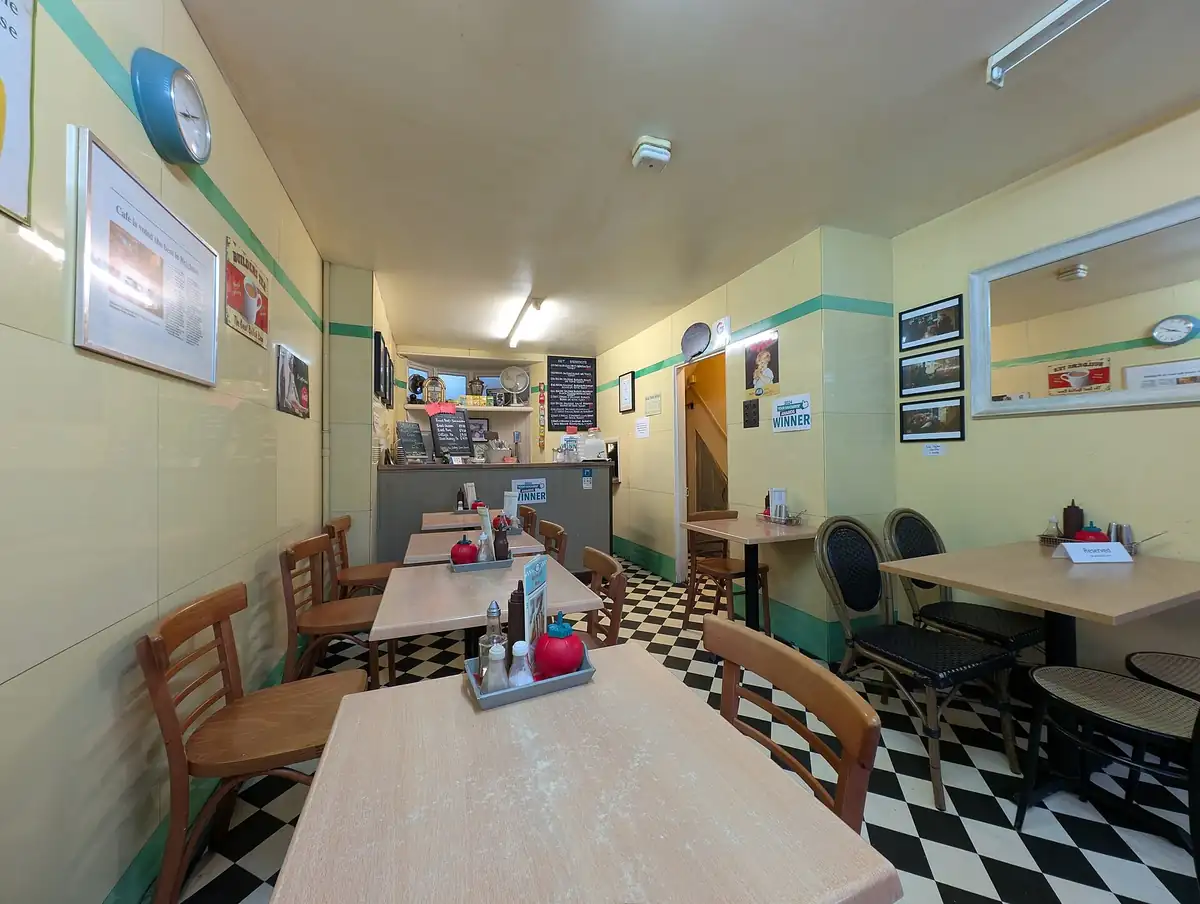
Daily habits that keep ants out
Most ant prevention in a food business is good kitchen practice done consistently.
- clean benches, floors and under equipment at the end of every service
- store dry goods, sugar and syrups in sealed containers off the floor
- empty and clean bins daily; keep outside bins lidded and away from doors
- fix drips and leaks, and keep floor drains clean
- clean behind and under fridges, ovens and fryers on a schedule
- check deliveries, especially boxes stored on the ground, before bringing them in
Where ants get into commercial kitchens
Commercial buildings have many entry points: service doors propped open, loading bays, gaps around drains and pipes, floor-to-wall joins, ceiling voids and shared walls with neighbouring tenancies. Food trucks parked over garden beds pick up trails through wheels and steps. Recording where you see ants, and when, helps a technician target the right spots.
What a commercial ant visit looks like
A commercial visit starts with a survey of the whole site, inside and out, including storage, bins, drains and neighbouring areas. In food areas, treatment uses gel bait in tiny placements inside cracks and voids, under and behind equipment and at pipe entries, plus closed stations. Outside, non-repellent products go at doors, loading bays and the base of walls. Surface spraying near food is avoided.
Every product is applied to its label directions under the HSNO Act 1996. Visits can usually be arranged before opening or after closing. See commercial ant control.
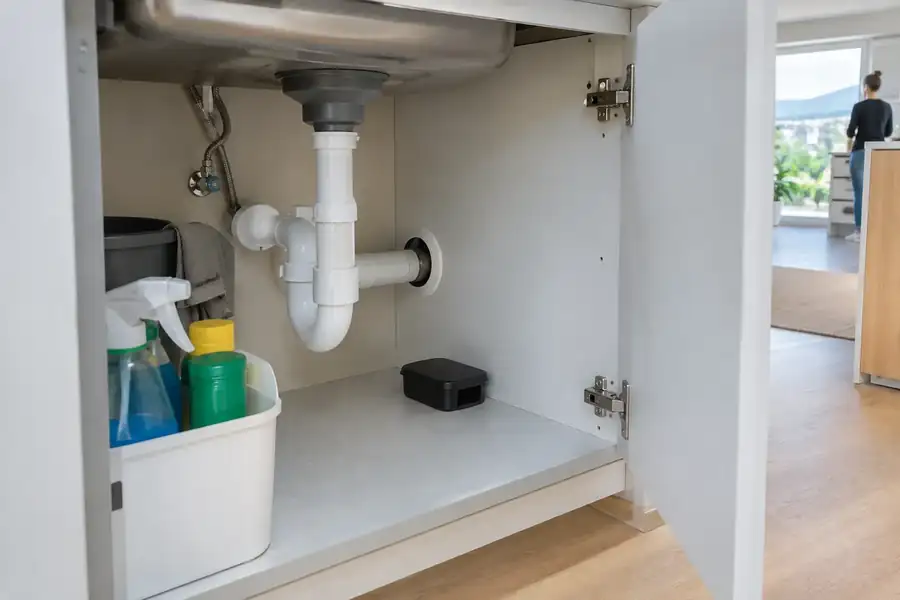
Records
Keep a written record of every pest control visit: the date, what was inspected and found, products used and where, and recommendations. Keep it with your food control plan for verification. Also record your own checks and any ant sightings between visits. A record that shows problems found and fixed is far better than a blank page.
Timing in Auckland
Argentine ants are at their busiest from November to March. Landcare Research found spring baiting, around early October, works as well as summer baiting. For a food business, a spring treatment before the peak and a check in early summer usually prevents the worst of the season. See seasonal ant programme.
Shared buildings and food courts
Food businesses in shopping centres, food courts and multi-tenant buildings often share walls, ceilings and drains with neighbours. Treating one tenancy alone may not last. Talk to the property manager about a coordinated treatment across the site.
Cost
Commercial ant control is quoted after a site survey; no Auckland operator we checked publishes commercial ant prices. For context, published household "from" prices are about $210 to $255 incl GST for one area and $340 to $400 incl GST for inside and outside of a three-bedroom home. Reading an ant quote lists what a commercial quote should cover.
Ant control questions
Will ants fail my verification?
That depends on your plan and your verifier. Evidence that you check, act and record helps.
Can the kitchen stay open during treatment?
Usually, with care. Bait in cracks and stations, and outside treatment, can be done around trading.
How often should a food business have ant control?
It depends on the site. Many benefit from a spring treatment and a summer check, with callouts as needed.
Where these facts come from
Checked 5 November 2026