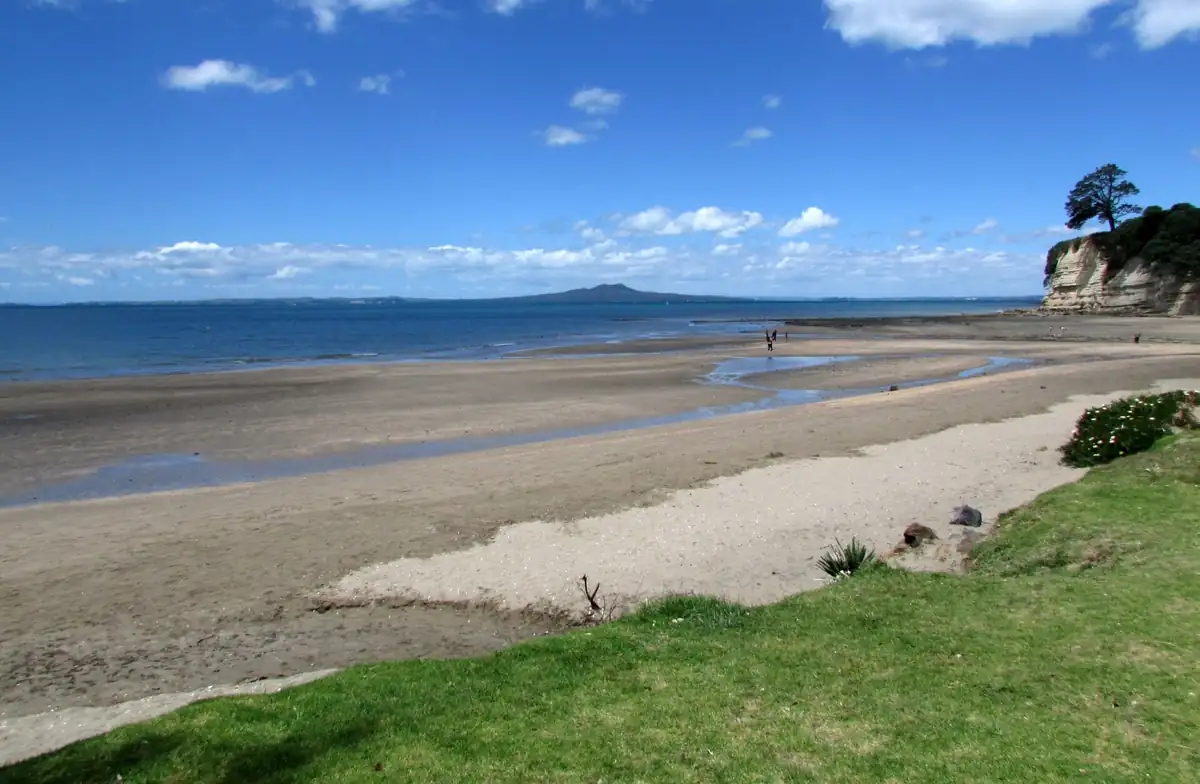

Ant work in the East Coast Bays is mostly in family homes built from the 1960s to the 1980s on clay ridges between bush gullies, with decks, retaining walls and sloping gardens. In Albany and Rosedale it shifts to newer slab-built houses and commercial premises. The common problems are trails from the garden and decks into kitchens, ants nesting along retaining walls, and colonies moving indoors when clay ground floods.
Ridges, slopes and retaining walls
Browns Bay, Mairangi Bay, Murrays Bay, Rothesay Bay and Torbay were largely built out in the 1960s to 80s on ridges of Waitematā clay. Sloping sections mean timber retaining walls, terraced lawns and decks built out over the fall of the land. Ants love retaining walls: the soil behind holds warmth and moisture, and the gaps between timbers make easy nest entrances.
A treatment here pays particular attention to the base and drainage gaps of retaining walls, deck bearers, path edges and the steps between terraces, as well as the house itself.
Decks over the view
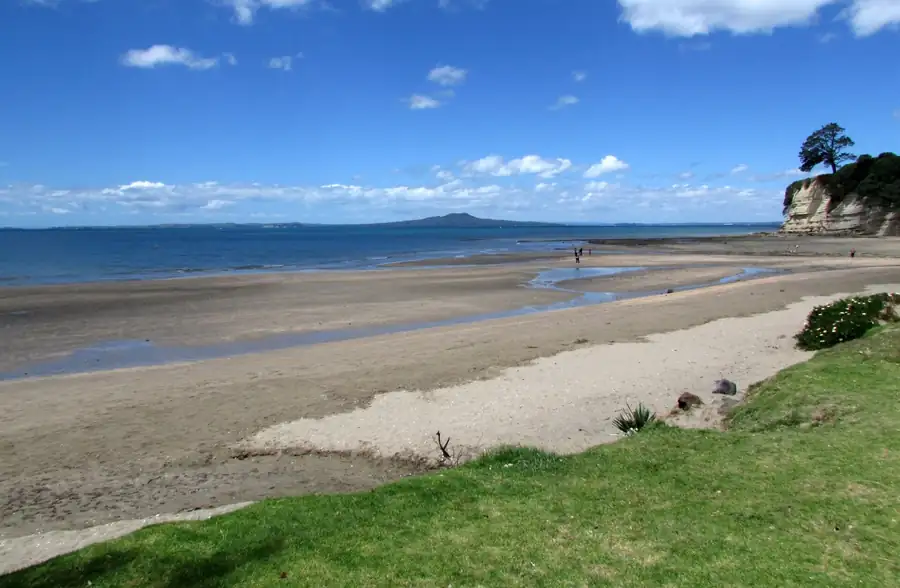
Many Bays homes have decks facing the sea, often built over a steep drop with a dry, sheltered space underneath. That space suits nests, and trails run along joists straight to the ranch slider. Decks are treated underneath along joists and bearers where ants travel, not by soaking the boards. If the timber is soft, that's a maintenance issue too; see ants in timber.
Gully reserves
Long fingers of bush run down the gullies between the ridges to the beaches, many of them public reserves. They're home to native ants and invertebrates that should be left alone, and to introduced ants that spread from neighbouring gardens. Sections backing onto reserves have constant outside pressure, so the boundary treatment and a spring visit each year make sense.
Products are kept well back from streams and reserve bush, and from stormwater outlets that drain to the beaches.
Clay and wet weather
Waitematā clay cracks in long dry summers and holds water in winter. Cracks give ants deep channels under paths and slabs; saturated clay floods nests after heavy rain. Bays homes often see a sudden indoor trail the morning after a downpour, which may fade as the ground drains. See ants after rain.
## Albany and Rosedale
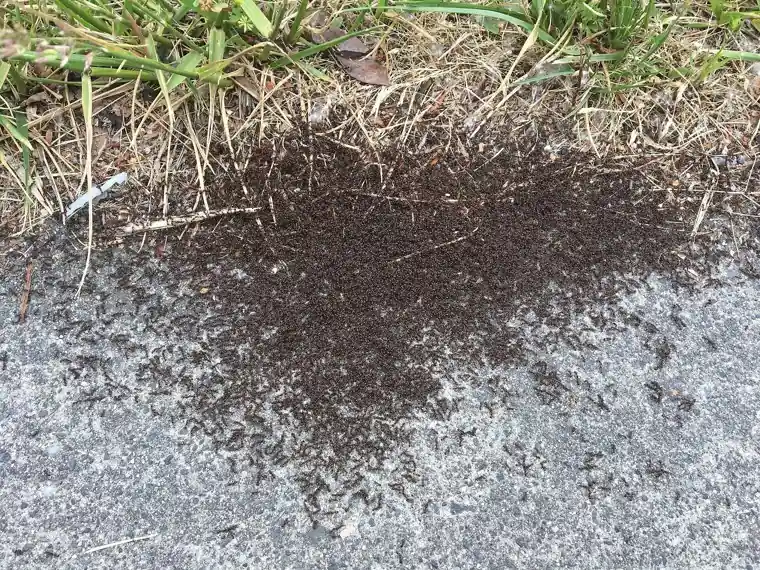

Inland, Albany grew rapidly from the 1990s with new subdivisions, apartments around the town centre and big retail and business parks around Rosedale. Newer homes on slabs get ants along driveways, slab edges and garages. Offices, warehouses and food outlets in the business parks get planned commercial treatments; see commercial ant control.
Families, pets and gardens
The Bays are family suburbs with dogs, cats and children in most homes. Treatments use bait in cracks and stations out of reach, and outside products on entry points rather than across lawns where children play. Pet bowls on decks and in laundries are an ant magnet; see ants and pets.
What the technician checks here
- the kitchen, laundry and any rooms with trails
- the deck underside and the ranch slider track
- retaining walls, terraces, steps and path edges
- the boundary with any gully reserve
- garage and slab edge in newer Albany homes
Pricing in the Bays
There's no travel charge for the Bays or Albany. Sloping sections with decks and long retaining walls usually take longer than flat ones, so expect the written price to reflect that. The starting points Auckland businesses publish are about $210 to $255 incl GST for one area of a home and about $340 to $400 incl GST to cover inside and outside of a three-bedroom house.
Ant control questions
Will ants come back from the reserve behind us?
The reserve isn't treated, so pressure continues. A maintained boundary and a spring treatment keep the house clear.
Can you treat under a high deck?
Yes, where it can be safely reached. Treatment goes along joists and bearers.
Are the ants on our beach walk a problem?
Ants in reserves and bush are mostly harmless to people. The concern is ants getting into the house.
Where these facts come from
Checked 5 November 2026