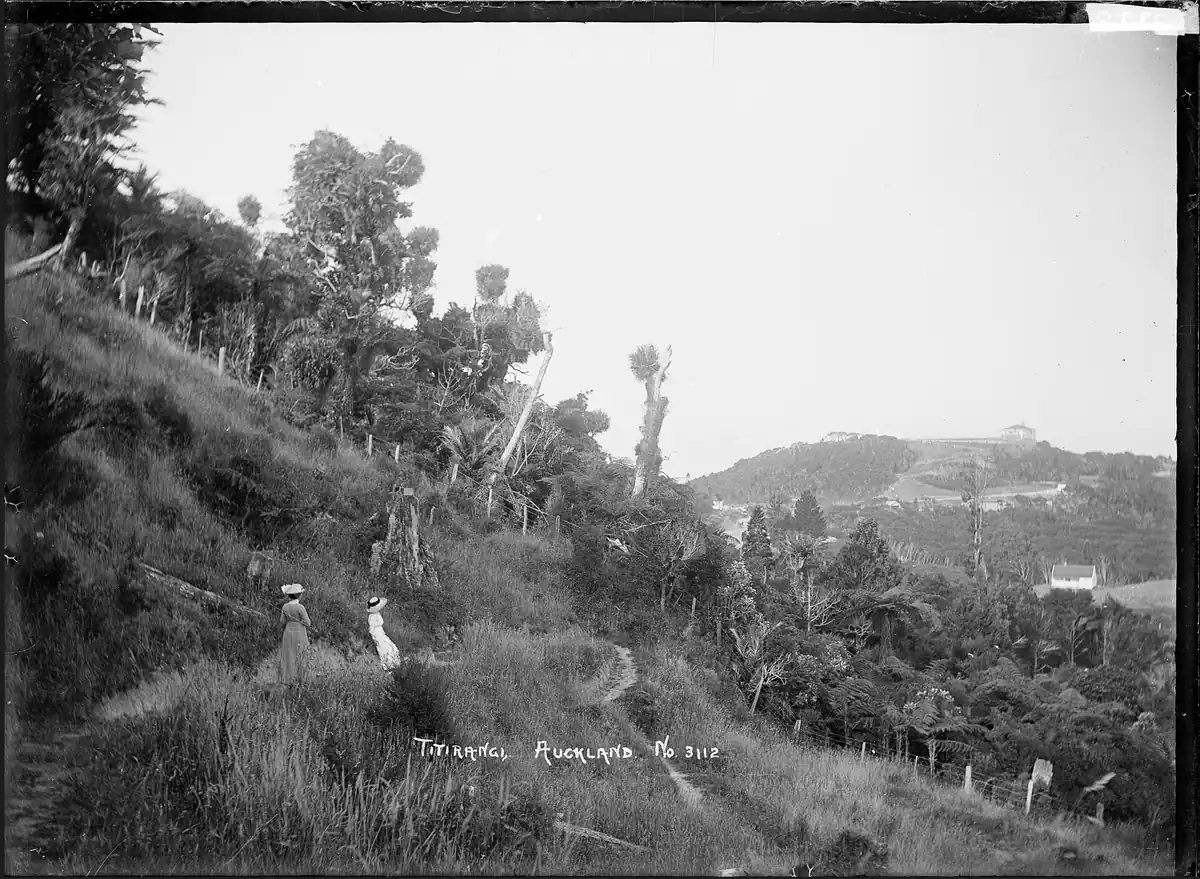

Ant control in Titirangi and the Waitākere foothills is about precision. Homes sit in native bush on steep sections, many built on poles with large decks, and the surrounding bush holds native ants and invertebrates that shouldn't be touched. The ants causing trouble indoors are usually introduced species arriving with garden plants, soil or materials, or living in damp timber. Treatment targets the house and its immediate surrounds and keeps products away from streams and bush.
Living in the bush
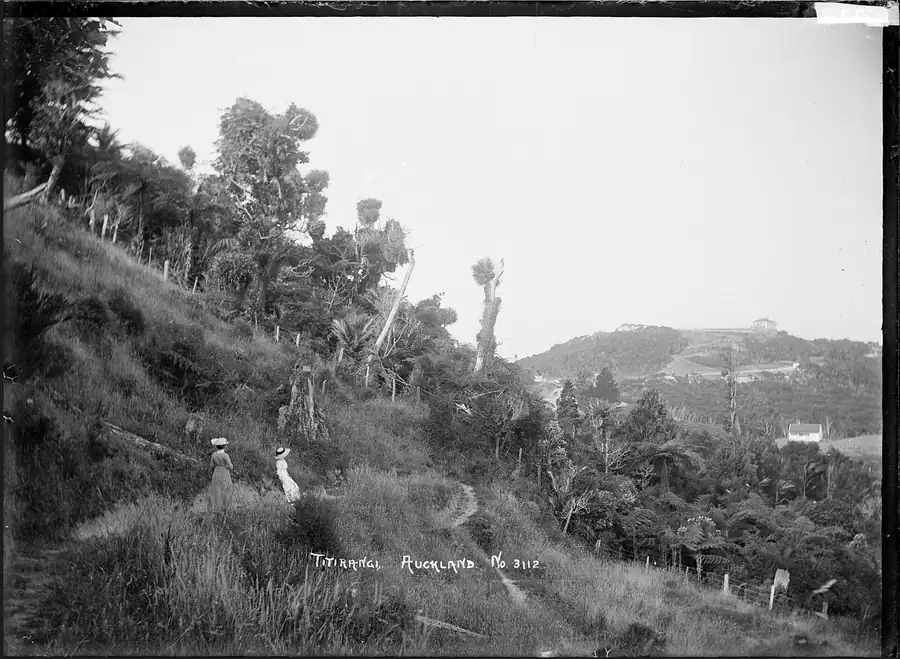
Titirangi, Laingholm, Waiatarua, Oratia and the bush-edge streets above Glen Eden are among Auckland's most heavily vegetated suburbs. Kauri, rimu, ponga and regenerating bush come right up to the house. Many homes were built from the 1950s onward as architect-designed timber houses on poles or piles, stepping down steep slopes.
Bush is good for native ants and bad for broad-spectrum treatment. Landcare Research counts 11 native ant species in New Zealand, and they live in exactly this kind of leaf litter and rotting wood. They rarely come inside. See native ants worth leaving alone.
Which ants come inside
When ants trail into a bush-edge home, they're more often introduced species: Argentine or Darwin's ants that arrived with nursery plants, landscaping soil or building supplies, or black and white-footed house ants nesting in the walls. Identifying the species matters more here than anywhere, because the treatment should hit the introduced ants and leave the natives alone.
Damp, decks and timber
Bush shade and the Waitākere Ranges' higher rainfall keep things damp. Decks, sub-floors, pole foundations and timber cladding stay wet for long periods, and ants move into softened timber. Decks built over steep slopes have deep, dry spaces underneath that also suit nests. A technician checks the timber as well as the ants and will tell you if something looks rotten. See ants in timber.
## Kauri and soil hygiene

Kauri dieback is a serious concern in the Waitākere Ranges, and moving soil is one way it spreads. The same habit that protects kauri also limits ant spread: don't move soil, mulch or plants around carelessly, clean footwear and tools, and check pot plants before bringing them onto the property. Auckland Council's advice for ants is to submerge pot plants in water for two minutes. See moving plants and soil.
Streams and water
Many sections drain to streams that run through the bush to the Manukau Harbour. Insecticides can be very toxic to aquatic life, so products are kept well back from streams, gullies and drains, and outdoor treatment isn't done before heavy rain. Many homes also rely on tank water; tank inlets and overflows are avoided.
Access
Long, steep driveways, shared rights of way and narrow roads are normal here. Mention access when booking: whether a car can reach the house, where to park, gate codes and dogs. Steep sections can take longer to walk around, which affects the time on site.
Families, pets and chickens
Bush-edge households often keep chickens and dogs, and plenty have children exploring the garden. Treatments use bait in stations and out of reach, and outside products on entry points close to the house rather than across the section. See pet and child safe treatment.
Price and travel in the foothills
Titirangi, Laingholm and the foothill suburbs are within the service area. Remote addresses further into the Ranges may carry a travel charge, confirmed before booking. For the work itself, Auckland businesses publish starting prices of about $210 to $255 incl GST for one area and about $340 to $400 incl GST for inside and outside of a three-bedroom home. Steep, deck-heavy properties often need more time than those figures assume.
Ant control questions
Will treatment harm the native bush?
Treatment is targeted at the house and nearby routes, kept away from bush, streams and flowering plants.
Are the ants in my bush native?
Many are. Ants trailing into the house in numbers are more likely introduced.
Can you treat my deck over the slope?
Yes, where it can be reached safely. Joists and bearers are treated where ants travel.
Where these facts come from
Checked 5 November 2026