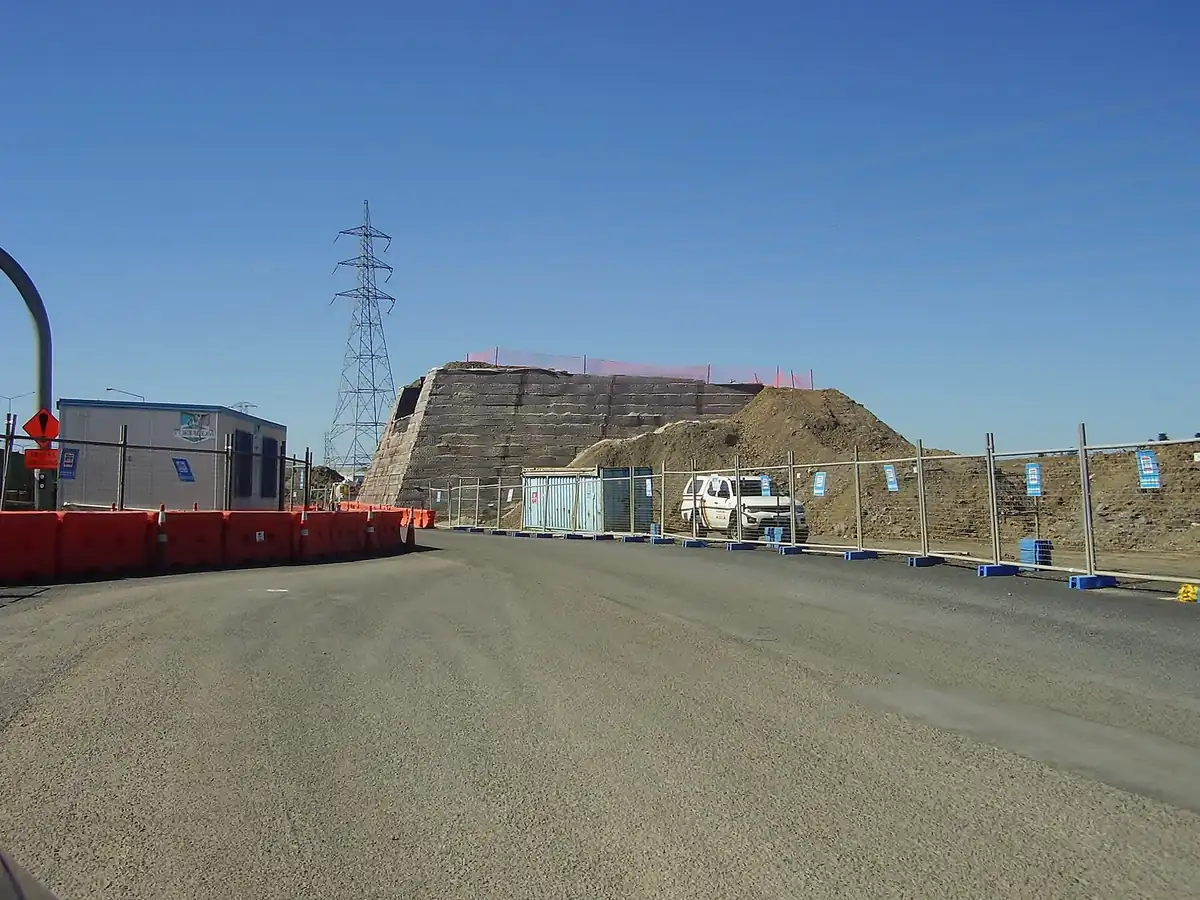

Onehunga, Penrose and Ellerslie sit around Mt Smart, where Landcare Research records New Zealand's first Argentine ant find in January 1990. More than three decades on, the species is thoroughly established in the surrounding mix of workers' cottages, state houses, 1950s bungalows, new terraces and industrial yards. Treatment here is almost always about Argentine ants and about holding a boundary against neighbouring colonies, not about eliminating them from the street.
Thirty-plus years of Argentine ants
The 1990 find was made during rehearsals for the Commonwealth Games, and Australia is the likely source. Landcare Research describes the species spreading naturally at about 150 metres a year by budding, with longer jumps when people move soil, plants and freight. Penrose, a freight and industrial hub, was well placed to send ants across Auckland.
For households nearby, the practical result is that Argentine ant networks here are old, large and interconnected. Nests on one section are likely linked to the next. The full history is in Auckland's Argentine ant story.
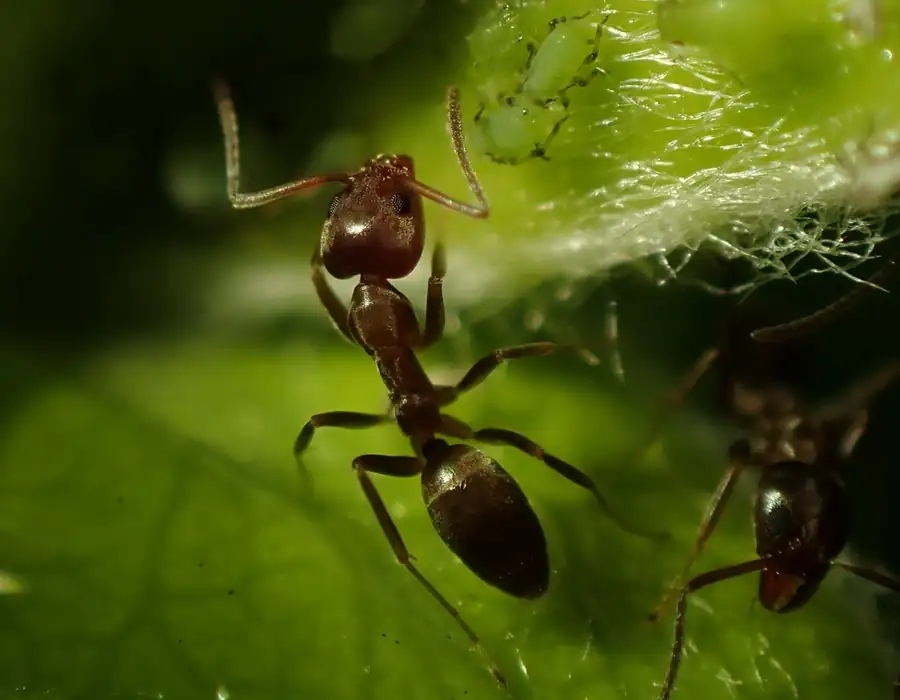
Industrial Penrose and Mt Wellington yards
Penrose and the Mt Wellington industrial area are warehouses, yards, workshops and freight depots, with large concrete aprons, landscaped strips and pallets stored on the ground. Landcare calls concrete paths and driveways ant highways, and an industrial yard is a motorway system. Stored materials on the ground can carry nests when they're moved.
Commercial sites here get planned treatments, often out of hours, with written records. Food manufacturers and distribution centres need treatment that keeps products away from food. See commercial ant control.
Onehunga's older streets
Onehunga has some of Auckland's oldest suburban housing: small cottages and villas near the town centre, followed by bungalows and a large area of state houses built from the 1930s to the 1950s. Many are timber on piles with sub-floors, small sections and fences close to the house. Trails run from the garden under the floor and up into kitchens and bathrooms.
The Manukau Harbour edge brings a different setting: estuary-side reserves, foreshore paths and homes looking over Onehunga Bay. Products are kept well away from the water and stormwater drains, which flow to the harbour.
Ellerslie and the racecourse fringe
Ellerslie mixes villas and bungalows near the village with 1950s and 60s homes, units and newer townhouses around the racecourse and the Ellerslie-Panmure Highway. Townhouse blocks often share driveways and walls, which means ants move between units. Building-wide treatment works better than one unit at a time; see apartments and body corporate buildings.
## New terraces and apartments
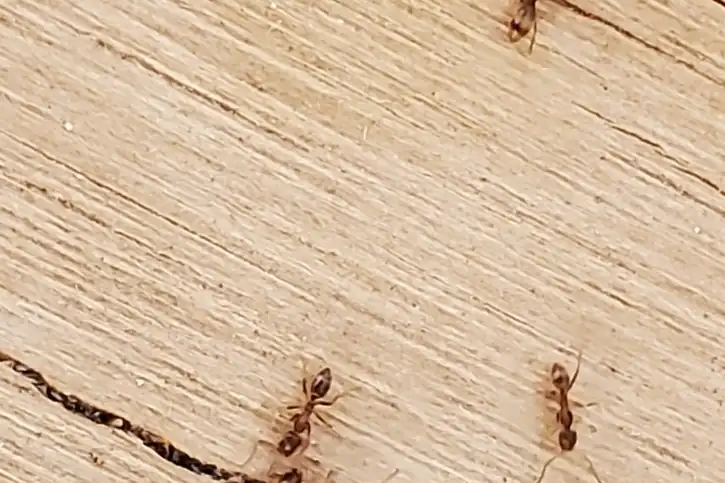
Housing intensification has brought terraces and apartments to Onehunga, Ellerslie and around Mt Wellington. These sit on slabs with paved courtyards and landscaped strips, all good ant habitat, and they were built among older sections where Argentine ants have lived for decades. New residents often get ants in their first summer. See ants in new builds.
Holding the boundary
Because colonies here are long-established and connected, a treatment focuses on the property's boundary and entry points: fence lines, shared driveways, the base of walls, paths and service entries, with bait on active trails inside and out. A follow-up after a few weeks is standard. Coordinating with neighbours, even just the ones on either side, makes results last much longer.
A spring treatment before the November to March peak is particularly worthwhile here. Landcare found spring baiting around early October works as well as summer baiting. See seasonal ant programme.
Don't send the ants elsewhere
Living at the original epicentre comes with a responsibility. Auckland Council's pest plan bans distributing Argentine ants. Before giving away pot plants, soil or garden waste, or taking gear to a bach on an island, check it. Council suggests submerging pot plants in water for two minutes. See moving plants and soil.
Rentals and state housing
A large share of homes in Onehunga and around Penrose are rentals, including many state houses. Tenancy Services expects a rental to be free of pests at the start of a tenancy, and sets out who is responsible later depending on the cause. Where ants are coming from a neighbourhood colony rather than anything the tenant or landlord did, the two often share the cost.
Tenants can describe the problem to us directly, but whoever pays should agree the price. See rentals and landlords.
The harbour side
Homes near the Manukau Harbour foreshore and around the Onehunga lagoon sit on lower, damper ground than the ridges. After heavy rain, nests in saturated soil move up and indoors, and these streets often see sudden trails the morning after a storm. That's usually short-lived; if it settles into a steady line, it's time to treat. See ants after rain.
Prices and travel
Onehunga, Penrose and Ellerslie are well inside the travel area. Most jobs here are Argentine ant jobs, which means treating inside and out; Auckland pest controllers list that work for an average three-bedroom house from around $340 to $400 incl GST, while a single room or small cottage starts nearer $210 to $255 incl GST. Yards and factories get a site survey and a quote of their own.
Ant control questions
Is Mt Smart still full of Argentine ants?
The species is long established throughout the surrounding suburbs. Infestation levels vary street by street.
Will my ants ever be gone for good?
The house can be cleared and kept clear. The neighbourhood population will remain, so the boundary needs maintaining.
Do industrial sites spread ants to homes?
Ants spread through moved materials and connected colonies. Good practice on any site is storing materials off the ground and checking before moving them.
Where these facts come from
Checked 5 November 2026