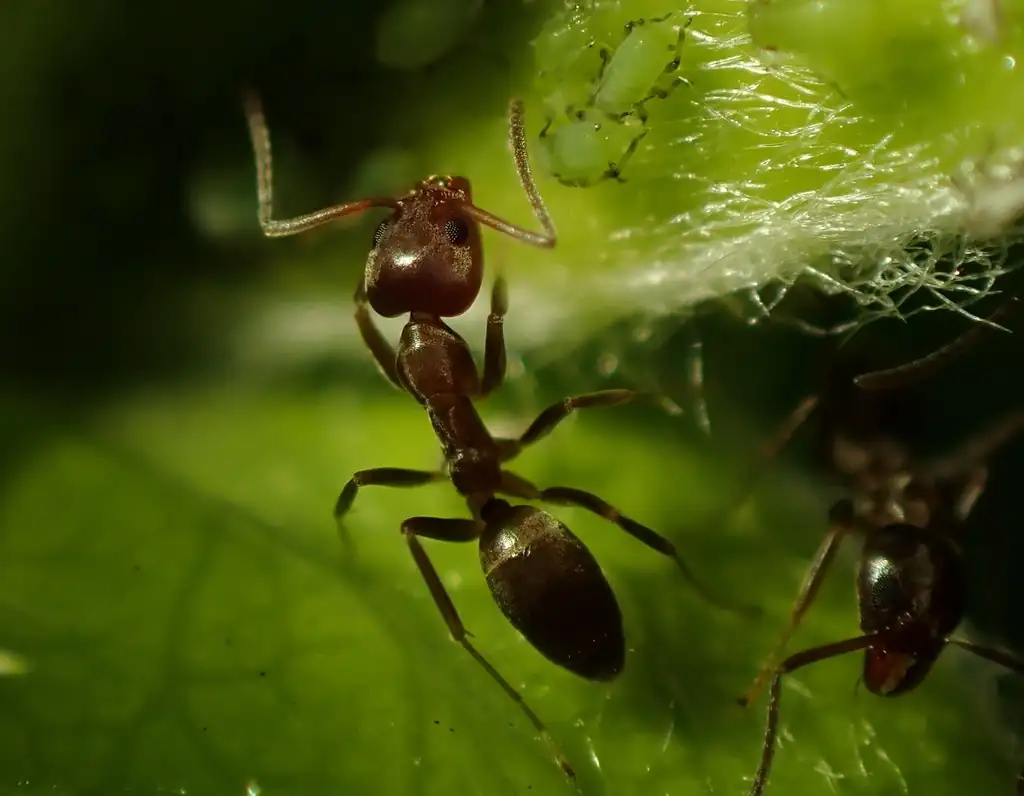
Argentine ants were first found in New Zealand at Mt Smart Stadium in Penrose, Auckland, in January 1990, during rehearsals for the Commonwealth Games, and Australia is the likely source. Because queens don't fly, they spread slowly on their own, about 150 metres a year, but people moving soil, plants and freight carried them across the region. Today Auckland Council lists them for sustained control across the whole region, with stricter rules for the Hauraki Gulf islands.
The first find at Mt Smart
Landcare Research records the first New Zealand find at Mt Smart Stadium in Penrose in January 1990. The timing, just before Auckland hosted the Commonwealth Games, made it memorable. The ants were well established by the time they were noticed, and Australia, where the species had long been present, is the likely source.
The species itself comes from South America. It had already spread to many warm parts of the world through trade, forming huge connected colonies in places like California and southern Europe. New Zealand was one of the later arrivals. For the neighbourhood today, see Onehunga, Penrose and Ellerslie.
How a flightless queen spread across a city
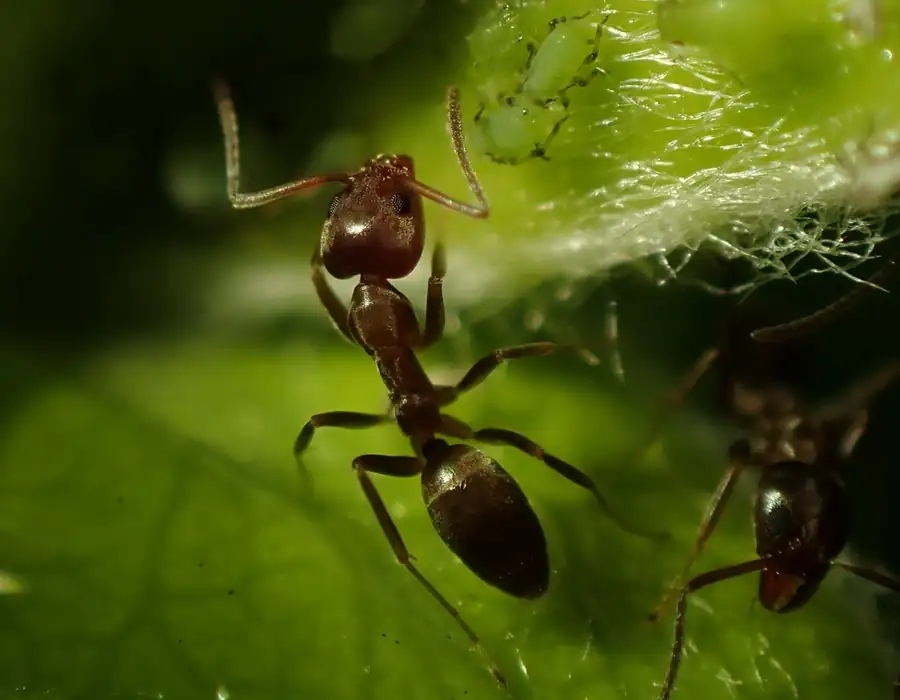
Argentine ant queens don't disperse by flying. Landcare Research explains that a fertile queen and some workers simply walk off and start a nearby nest, a process called budding. Left to themselves, colonies spread about 150 metres a year. That's far too slow to explain how they reached the North Shore, West Auckland and the islands.
The rest of the spread came from people. Nests travel in pot plants, garden soil, mulch, bark, building materials, shipping containers and outdoor furniture. A truckload of landscaping soil can start a new infestation kilometres away. That's why the problem is so patchy: one street heavily affected, the next clear, depending on what was moved where.
Why eradication hasn't happened on the mainland
Early on, there was hope of wiping the species out. Landcare Research now notes that total eradication of an Argentine ant infestation in New Zealand hasn't been verified. The many-queen, many-nest structure makes it extraordinarily hard to kill every queen across a whole neighbourhood, especially when nests sit on private land, under paving and in walls.
The focus shifted to control: keeping numbers down around homes and businesses, and keeping the ants off places where they'd do the most harm.
The islands: where control matters most
The Hauraki Gulf islands are the exception, where eradication is still the goal. Many islands are sanctuaries for native birds, lizards and invertebrates that Argentine ants attack or out-compete. DOC reported in 2019 that projects were under way on Kawau and Great Barrier, as well as Ahuahu Great Mercury Island, where the ants were found in 2013.
DOC describes Tiritiri Matangi as the one place Argentine ants have been successfully eradicated; Landcare's own guidance is more cautious, describing Tiritiri as having come close. Conservation dogs have been trained to sniff out ants. Hauraki Gulf islands and ants explains what visitors need to do.

What Auckland's pest plan says
Auckland Council's Regional Pest Management Plan 2020 to 2030 gives the Argentine ant three statuses: sustained control across the whole region, a site-led pest in the Hauraki Gulf Controlled Area, and a Controlled Area Notice pest. The plan bans anyone from breeding, distributing, releasing or selling Argentine ants anywhere in the Auckland region. Moving them to or within the Gulf controlled area is an offence.
Landowners aren't required to control Argentine ants on their own land, though council encourages it. Darwin's ant carries the same statuses and rules.
Why the council cares
The pest plan lists the harm: Argentine ants prey on and compete with native invertebrates, may prey on hatchlings in nests, protect horticultural pest insects such as aphids and scale, kill poultry hatchlings, rob beehives and interfere with biological control of pest plants. For a household it's a nuisance; for a native ecosystem or an apiary it's a serious pest.
That's why the practical rules are about not moving them. See moving plants and soil and ants around chickens and beehives.
What it means for your property
For most Auckland households, the history boils down to three things. The ants on your section are probably part of a network that extends next door, so treating the boundary matters. They'll return each spring unless the outside is kept treated. And moving soil and plants from your property can spread them, so check before you give things away.
A technician can clear the house and set up a boundary that holds through summer. Published Auckland prices for inside and outside of a typical three-bedroom home start at about $340 to $400 incl GST. See Argentine ant control and, for timing, Argentine ant season.
Ant control questions
Are Argentine ants found outside Auckland?
Yes. Since arriving in Auckland they've been found in many other towns and cities, but Auckland remains the longest-established area.
Do I have to report Argentine ants?
No. They're widespread in Auckland. Fire ants, which are different, must be reported to MPI on 0800 80 99 66.
Can my street get rid of them if everyone treats?
Coordinated treatment gives much better and longer-lasting control. Complete eradication on the mainland hasn't been verified.
Where these facts come from
Checked 5 November 2026