
In Henderson, Te Atatū and Massey, the typical ant call is a 1960s or 70s home, weatherboard or brick, on a decent section with a vegetable garden or fruit trees, often a rental, with ants in the kitchen and bathroom in summer. Older timber homes add sub-floor routes; newer homes in Westgate and Massey North add slab edges and shared walls. Stream reserves and the estuary edge bring outside pressure no one controls.
The 1960s and 70s housing stock
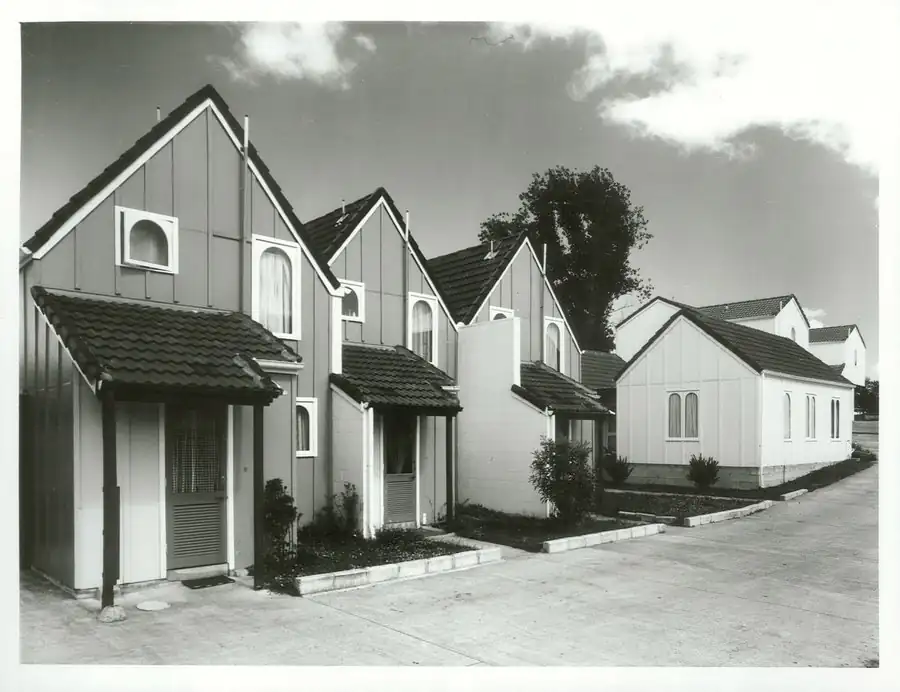
Much of Henderson, Te Atatū South, Glen Eden and Massey was built in the post-war decades: weatherboard and brick-veneer bungalows and state houses on piles or perimeter foundations, with sub-floors, tiled or iron roofs and generous back gardens. Many have had additions, carports and decks over the years, each with new gaps where old meets new.
Ants come in from the garden under the floor, along pipes into bathrooms and laundries, and through brick weep holes into cavities. Weep holes should never be blocked; they're treated around instead.
Bathrooms, laundries and damp
West Auckland's older homes often have bathrooms and laundries with ageing plumbing, and moisture under vanities or in sub-floors draws ants. A trail in a bathroom can be a sign of a slow leak. White-footed house ants, which Landcare Research records nesting in wall cavities, are common around wet areas. See ants in the bathroom.
Te Atatū's estuary edges
The Te Atatū Peninsula runs out between the Whau and Henderson Creek estuaries, with mangroves, coastal walkways and reserves along much of its edge. Sections near the water have lower, damper ground. Products are kept well away from the estuary, mangroves and stormwater outlets, and treatment concentrates on the house and the paths around it.
Stream reserves through Henderson
Henderson sits where several streams meet, and walkways and reserves follow them through the suburbs. Homes backing onto these reserves face outside ant pressure from planted banks and long grass. Treating the shared boundary, keeping vegetation trimmed back from the house and a spring treatment each year are the practical answer.
## Westgate and Massey North
Westgate and Massey North have grown quickly with new subdivisions, terraces and a large town centre. Homes on slabs with paving and small sections get trails along driveways, slab edges and garage doors. Terraces share walls and roof spaces, so coordinated treatment works best. See apartments and body corporate buildings.
Rentals in the west
A large share of West Auckland homes are rentals, including Kāinga Ora properties. Tenancy Services expects a property to be free of pests at the start of a tenancy; later, responsibility depends on whether the tenant, the landlord or neither caused the problem. Treating between tenancies, while the house is empty, is the simplest approach for landlords. See rentals and landlords.
What usually happens on a visit here
- Kitchen, bathroom and laundry, under sinks and behind appliances.
- The sub-floor, through the hatch if there is one.
- Brick weep holes or weatherboard bases, and pipe entries.
- Paths, carport, deck and the garden, including any fruit trees.
- A written price, then bait inside and non-repellent treatment outside.
What it costs out west
These suburbs sit in the normal service area with no travel charge. A typical brick-and-tile or weatherboard home here, treated inside and out, falls around the published Auckland starting range of $340 to $400 incl GST for three bedrooms; a single problem area starts nearer $210 to $255 incl GST. Big sections with sheds and gardens take longer, and the written quote says so.
Ant control questions
Should I block the weep holes in my brick house?
No. They let the wall cavity drain. They're treated around, not sealed.
Why are ants always in my bathroom?
Moisture and wall cavities attract them. Check for leaks; white-footed house ants are a common cause.
Can my landlord charge me for ant treatment?
It depends on the cause. Tenancy Services explains the rules.
Where these facts come from
Checked 5 November 2026