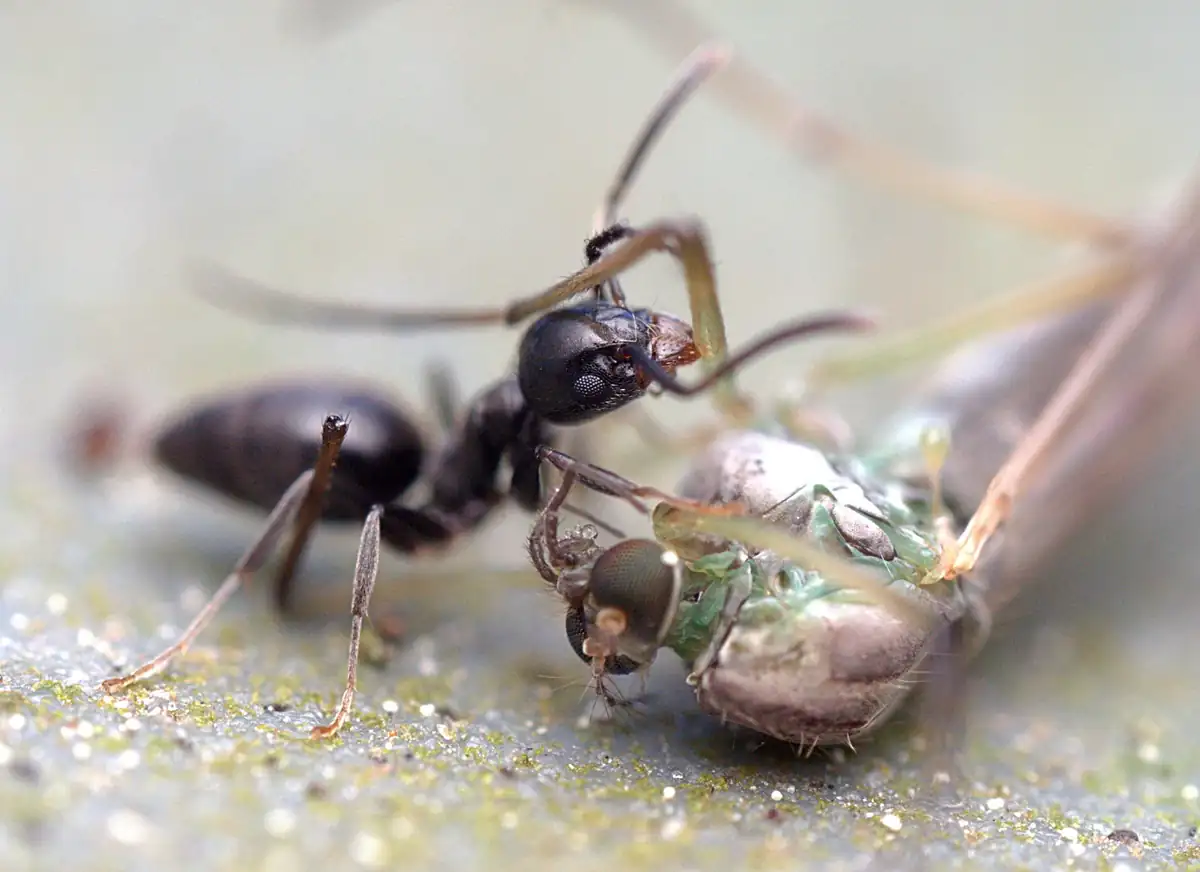
Ants come into bathrooms for water and shelter rather than food. Leaking pipes, damp grout, condensation and the warm cavity behind a shower are attractive, and the gaps where pipes pass through walls and floors give easy access. In Auckland homes, ants in a bathroom often signal a colony in the wall, commonly white-footed house ants, or a moisture problem that's softening timber. Both are worth investigating.
Why bathrooms attract ants
Ants need water as much as food, and in a dry spell or a warm house a bathroom is the most reliable source. Drips under the vanity, a shower that's lost its seal, condensation on cold pipes and damp bath mats all provide it. The warm, humid air also suits colonies nesting in the wall behind.
Bathrooms are also full of entry points: the hole where the waste pipe goes through the floor, gaps behind the vanity, the extractor fan, the edge of the shower tray and the window. Many of these are hidden behind panels and cupboards.
Which ants show up
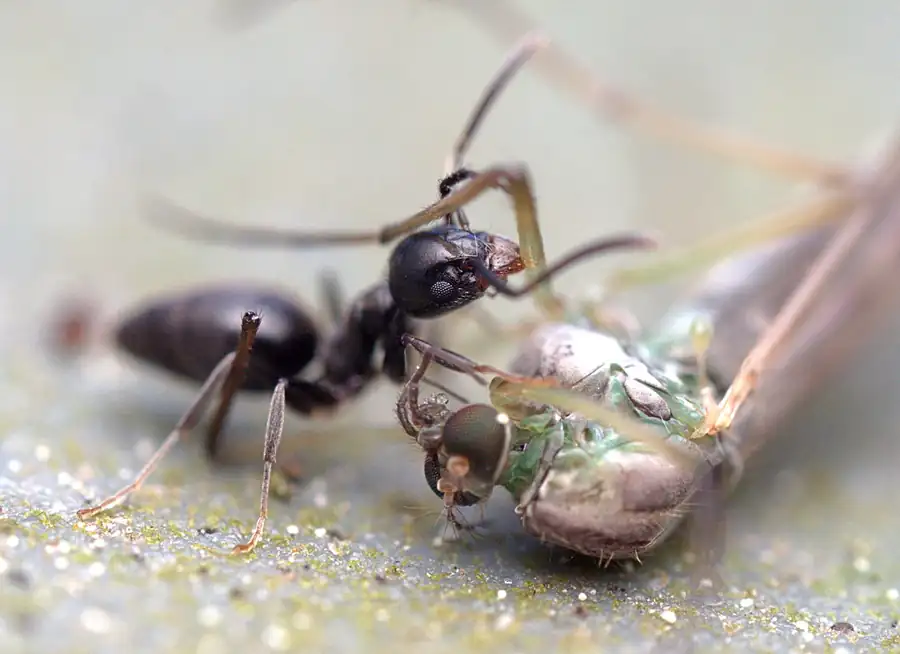
White-footed house ants are common in Auckland bathrooms. Landcare Research records them nesting in wall cavities of buildings and reaching high numbers there. They're small and black with pale feet, and often appear around the edge of the bath, along grout lines, at the window and near power points or light fittings in the room.
Argentine ants also visit bathrooms, usually in trails from outside, especially in hot dry weather. Black house ants occasionally do too. Telling house ants apart has the field marks.
What the ants may be telling you
A persistent ant trail in a bathroom is worth treating as a prompt to check for moisture. Ants nesting in timber usually choose wood that's already damp or decaying, and bathrooms are where leaks hide. That's general building experience rather than a cited rule, but it's a useful check.
- grout or silicone that's cracked, black or missing around the shower or bath
- soft or swollen flooring near the toilet, vanity or shower
- paint bubbling or peeling on the wall outside the shower
- a musty smell under the vanity
- in older homes, a damp sub-floor under the bathroom
If you find any of these, a plumber or builder should look as well. See ants in timber.
What not to do
Avoid spraying insecticide around the bath, shower, basin or toothbrush area, where residues end up on skin. Avoid spraying into the extractor fan or light fittings. Bleach and strong cleaners will kill the ants they touch but won't reach the nest, and can scatter the trail into the wall. Shop baits left on the bathroom floor are a risk with small children and pets.
## How a technician treats it
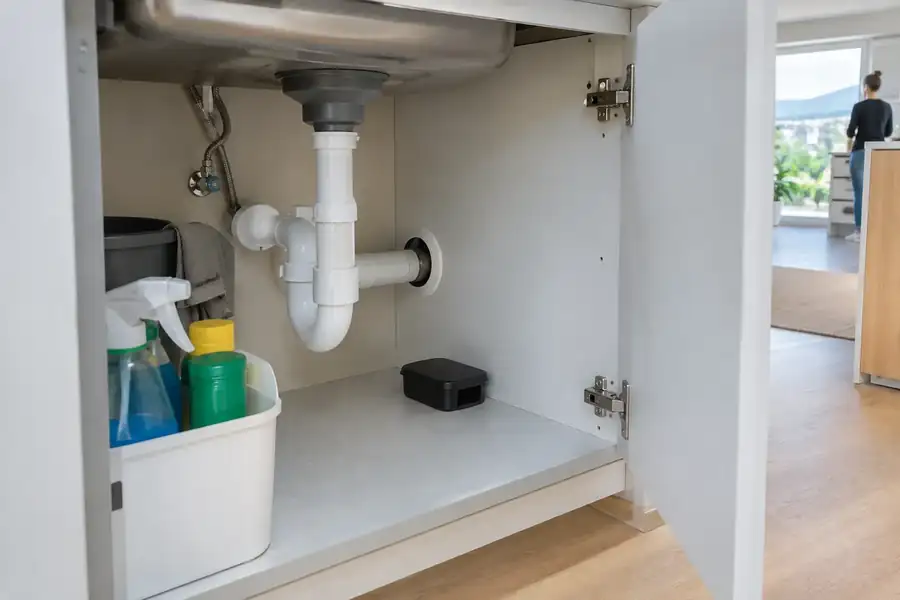
The technician traces the trail to where it enters the room, checks the vanity, the back of the toilet, the shower edges, the window and any wall fittings, and looks at the outside wall and sub-floor. Treatment uses gel bait in cracks and voids, behind the vanity kickboard and at pipe entries, plus closed stations where needed. Outside, a non-repellent product goes at the base of the wall and where pipes come through.
White-footed colonies need plenty of bait close to where they feed, and a follow-up is common. If the nest is in the wall, the technician may treat the cavity through a safe gap where the label allows. See nests in walls and ceilings.
After treatment: keep it dry
Once the ants are dealt with, reducing moisture is the best prevention. Run the extractor fan during and after showers, fix drips, keep the vanity cupboard dry, reseal grout and silicone, and hang up wet towels and bath mats. In older homes, check that sub-floor vents aren't blocked. A dry bathroom is far less interesting to ants.
Laundries and toilets too
Everything above applies to laundries and separate toilets. Laundries add washing machine hoses, tubs and often an external door, and the area behind the machine is warm and rarely cleaned. Pet food or bird seed stored in the laundry makes it doubly attractive. Store them in sealed containers.
Cost
Bathroom ant problems often sit within a single-area treatment, which published Auckland prices list at about $210 to $255 incl GST for one area or a small home. If the wall colony extends through the house, an inside-and-outside treatment of a typical three-bedroom home is listed at about $340 to $400 incl GST. You get a written price after the visit.
Ant control questions
Are ants in the bathroom a sign of a leak?
Not always, but often enough that it's worth checking. Ants nesting in timber prefer wood that's already damp.
Can I use bleach on the trail?
It cleans the trail but doesn't reach the nest, and may push the ants into the wall.
Why are the ants only there at night?
Bathrooms are quiet and humid at night, and some colonies forage more when the house is still.
Where these facts come from
Checked 5 November 2026