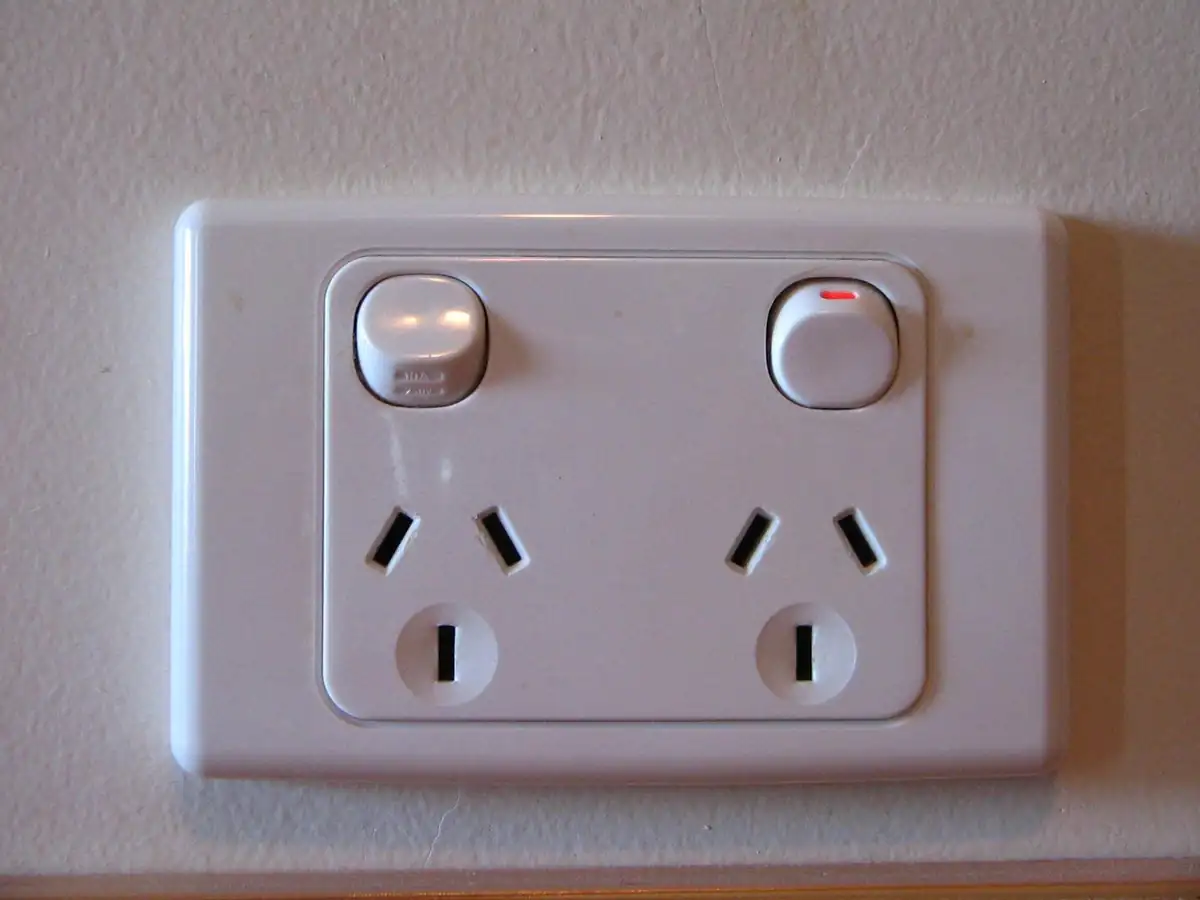

Ants coming out of a power point, light switch or light fitting are almost always using the wall or ceiling cavity behind it as a nest or a highway. The faceplate is simply the nearest gap into the room. In Auckland the usual culprit is the white-footed house ant, which Landcare Research records nesting in wall cavities. The fix is treating the colony, not the socket: never spray liquid into an electrical fitting.
Why ants use electrical fittings
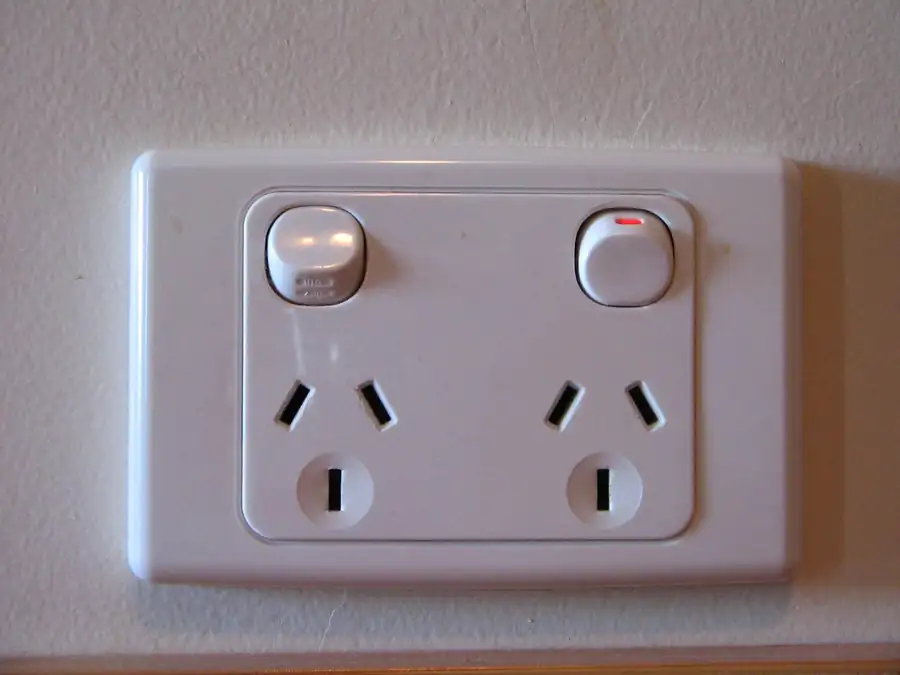
Wall and ceiling cavities are dark, sheltered and stable, and in a heated house they stay warm through winter. Cables run through the framing from one fitting to the next, giving ants a sheltered route through the building. Every power point, switch and downlight is a hole from that cavity into a room, with a small gap around the faceplate.
Ants aren't drawn to electricity itself. They're travelling between a nest in the cavity and food or water in the room. The fitting is just the door. That's why the same trail may appear at several fittings along one wall.
Which ants do this in Auckland
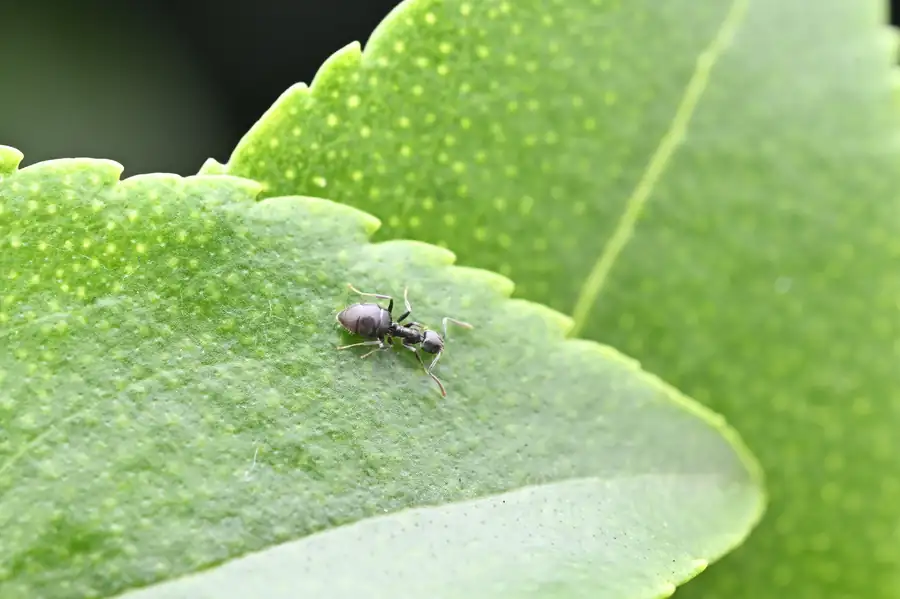
The white-footed house ant is the most common species behind fittings in Auckland homes. Landcare Research records it nesting in dry places off the ground outdoors and in wall cavities, where colonies can become very large. Black house ants also nest in walls and ceilings. Argentine ants pushed off a sprayed trail sometimes reroute through cavities too.
White-footed ants are small and black with pale feet. If you can zoom in with a phone camera on one ant, look for whitish lower legs. Telling house ants apart has more.
The electrical risk
Electricity and ant treatment don't mix. Spraying liquid into a power point or switch can cause a short circuit, a shock or a fire. Taking off faceplates to get at the ants exposes live parts. Large numbers of ants inside a fitting can, in rare cases, cause faults themselves. If a fitting is sparking, smells of burning, is warm to the touch or trips the switchboard, turn off that circuit and call an electrician.
How a technician treats it
The technician treats the colony through safe routes, not through the fitting. They identify the species, trace where the trail goes outside the fitting, check nearby skirtings, window frames and the outside wall, and look for the colony's entry point from outside. Then they place bait where the ants feed and treat the outside wall.
- Gel bait near the fitting, on the wall or skirting where ants trail, not inside the socket.
- Bait at other places the same colony feeds, such as the kitchen or bathroom.
- Where the label allows and it's safe, product into the cavity through a gap away from any electrical fitting.
- A non-repellent treatment outside at the base of the wall and entry points.
White-footed colonies need generous amounts of bait placed close to feeding sites, because Landcare notes their workers don't share food. A follow-up is common. See nests in walls and ceilings.
What you can do in the meantime
Leave the trail alone, wipe up ants on the floor with a damp cloth, and don't spray. Keep food sealed so the ants have less reason to come into the room. Vacuuming around the outside of the faceplate is fine; don't poke the vacuum nozzle into the socket. If you've seen winged ants coming out of the fitting, mention it when you book; flying ants explains what that suggests.
Why it can happen in winter
People are often surprised to see ants at a power point in July. Landcare's research on Argentine ants shows foraging drops sharply in cold weather, but a colony living in a heated wall isn't experiencing an Auckland winter. White-footed ants in particular can stay active indoors year-round. Ants in winter explains why.
Will sealing the fitting stop them?
Sealing the gap around a faceplate may stop ants at that fitting, but the colony will use the next one. Sealing is worth doing after the colony has been treated, and only with an electrician's advice for anything involving the fitting itself. Sealing gaps outside, where pipes and cables enter the house, is a better long-term step.
Cost
A wall-cavity treatment for one area of the house sits within published Auckland "from" prices of about $210 to $255 incl GST. If ants are coming from several walls and the outside needs treating, a whole-house inside-and-outside treatment is listed at about $340 to $400 incl GST for a typical three-bedroom home. You get a written price after the inspection.
Ant control questions
Can ants damage wiring?
They don't eat wiring, but large numbers inside fittings can occasionally contribute to faults. If a fitting misbehaves, call an electrician.
Should I turn the power off?
Only if the fitting shows signs of damage, heat or sparking. Ants alone don't require it.
Why do the ants come back to the same switch?
The nest is in the cavity behind it. Until the colony is treated, the fitting remains their door.
Where these facts come from
Checked 5 November 2026