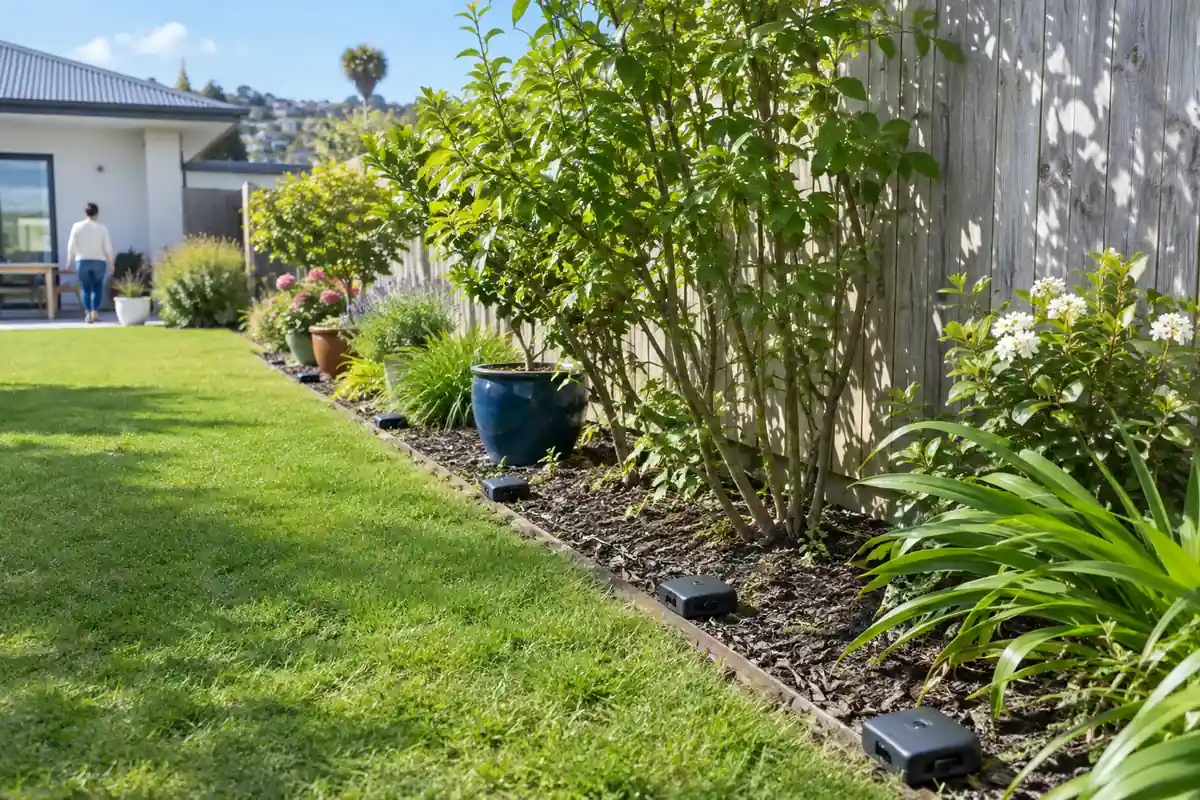
Every ant job we arrange in Auckland follows the same backbone: a technician inspects, works out the species, follows the trails to where the ants enter and nest, treats outside first, baits inside, and tells you what to expect next. What changes from job to job is the species, the part of the property and the type of building. The pages below cover each of those in detail, so you can see what a visit for your situation involves before you call.
Start here if you're not sure what you have
If you don't know the species or the cause, start with the general treatment page and the decision page. Most people who call can describe what they see, not what it is, and that's fine: identifying the ant is the technician's job. The two pages below explain what happens on a standard visit and the signs that home remedies have run their course.
- What a professional ant treatment involves
- When to call a pest controller about ants
- Baiting or spraying: how the treatment is chosen
Every service, with a one-line summary
These are all the ant control services we arrange, from species work through to whole buildings. Each page explains what the technician checks, which products suit the job, how many visits it usually takes and, where Auckland businesses publish figures, what it tends to cost.
-
Argentine ant control
Argentine ant control across Auckland: boundary and entry-point treatment, protein baits, follow-ups and why neighbours matter. Peak season runs November to March.
-
Black house ants
Shiny black ants in the kitchen, window frames or walls? How a technician treats black house ants in Auckland, why bait usually works, and what it costs.
-
Darwin's ants
Small brownish ants that smell when squashed are often Darwin's ants. How they differ from Argentine ants, the Auckland pest plan rules, and how they're treated.
-
Flying ants
Winged ants inside an Auckland house: whether it means a nest indoors, how to tell them from borer or termites, and what a technician checks on the visit.
-
Ants in timber
Ants in a deck, window frame or wall timber in Auckland? Why NZ ants follow damp wood rather than chew sound timber, and how the ants and the wood get sorted.
-
Kitchen ants
Ants on the bench, in the pantry or round the dishwasher? How a technician treats ants in an Auckland kitchen without putting product near food, and what it costs.
-
Lawns, paths and pavers
Ant nests in the lawn, sand under pavers, driveways and garden beds. How outdoor ant treatment works in Auckland gardens without harming drains, ponds or bees.
-
Baiting or spraying
Gel, liquid and granular bait, non-repellent sprays, repellent sprays and dusts. How an Auckland technician chooses between them by species and place.
-
Commercial ant control
Ant control for Auckland cafes, kitchens, food makers, offices, schools and warehouses: site survey, out-of-hours visits and records for your food control plan.
-
Apartments and body corporates
Ants in an Auckland apartment or townhouse? Why one-unit treatments often fail, how whole-building ant control is organised with a body corporate, and pricing.
-
Seasonal programme
A yearly spring ant treatment for Auckland homes, rentals and businesses, timed before the November to March Argentine ant peak, with follow-ups agreed in writing.
-
Pets and children
How ant treatment is set up in Auckland homes with babies, toddlers, dogs, cats, fish, chickens or bees: bait stations, re-entry times and what to ask.
-
Before you move in
Ant treatment when buying, selling, starting a tenancy or reopening a bach in Auckland. Why an empty house is the easiest time to treat, and what it costs.
-
After a treatment
Aftercare for an ant treatment in Auckland: what not to clean, when numbers should drop, sealing entry points and keeping ants out over summer.
-
Rentals and landlords
Ants in an Auckland rental: what Tenancy Services says about pests, who arranges and pays for treatment, and how landlords, tenants and managers handle it.
-
Wall and ceiling nests
Ants coming out of power points, light fittings or the top of a wall usually mean a cavity nest. How wall and ceiling nests are treated in Auckland homes.
-
Choosing a company
How to compare ant control companies in Auckland: what a good quote names, the qualification to ask about, follow-up visits, guarantees, and red flags on the phone.
-
Ant treatment
What happens on a professional ant treatment in Auckland: the inspection, finding trails, baits and non-repellent products, follow-ups and aftercare.
-
Cost
What ant control costs in Auckland, from prices local pest control businesses publish: small homes, inside and outside treatments, GST and what changes the price.
-
When to call a pro
Signs shop ant products have done all they can: trails that return, ants in walls and power points, winged ants indoors, rentals and food businesses.
Services by species
Species decides the method more than anything else. Argentine ants need boundary and entry-point work, because killing one nest just lets the next one move in. White-footed house ants live in wall cavities and need larger amounts of bait placed close to where they feed. Black house ants usually take bait well. Darwin's ants are often mistaken for Argentine ants and are treated along similar lines.
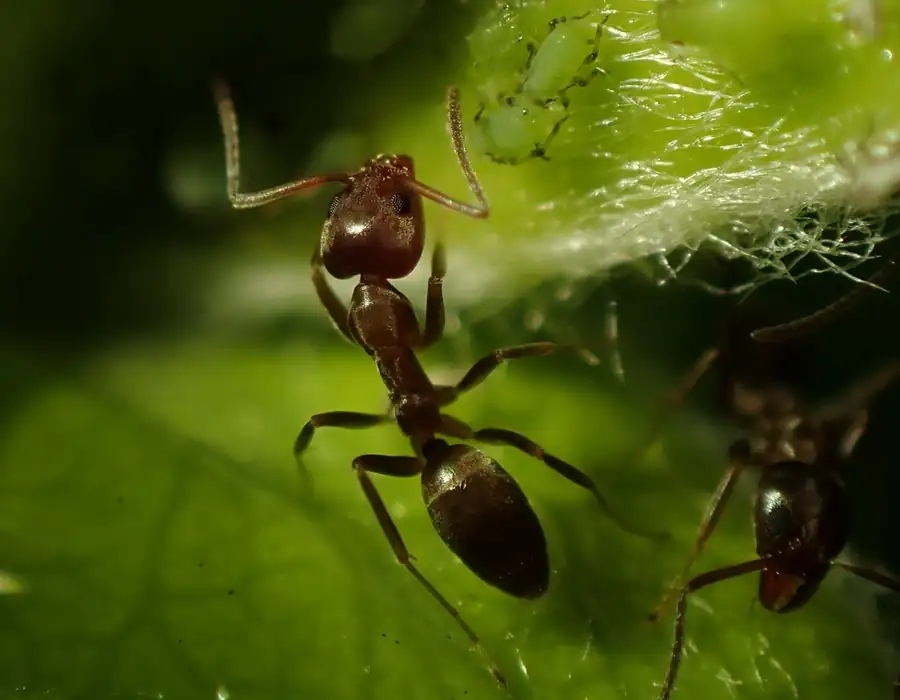
If you can, take a close photo of a few ants next to a coin or a ruler before the technician arrives, and leave the trail alone rather than spraying it. A visible, undisturbed trail is the quickest route to the nest. If the ants have wings, say so when you call: winged ants indoors are a different conversation, covered on flying ants.
Services by part of the property
Where the ants are tells the technician where to look. Kitchen trails usually come in through gaps behind the bench or under the sink. Ants at power points or the top of a wall usually mean a cavity nest. Ants in the lawn or between pavers are nesting in the soil, often under concrete that keeps it warm. Ants in a deck or a window frame point to damp timber.
Each of these places has its own risks. A kitchen needs products kept well away from food and benches. A power point should never be sprayed. A lawn or garden bed needs care near drains, ponds and streams. That is why the pages split this way: kitchens, walls and ceilings, lawns, paths and pavers and ants in timber.
Services by type of property
A detached house is treated from the boundary inwards and is usually a one-visit job with a possible follow-up. Shared buildings, rentals and businesses add other people and other rules. In an apartment block, treating one unit while the neighbours do nothing rarely lasts. In a rental, Tenancy Services expects the property to be free of pests at the start of a tenancy. In a food business, the food control plan expects pests to be kept out and checks recorded.
- Rentals and landlords
- Apartments and body corporate buildings
- Commercial ant control
- Before you move in
Once-off visits and yearly programmes
Most homes need a single treatment and, for some species, one follow-up. Properties that get ants every summer, such as homes beside an infested reserve, rentals with tenant changeovers, and cafes, often do better with a planned spring treatment before the November to March peak. Landcare Research found that spring baiting, around early October, works as well as summer baiting.
A programme is not a subscription you have to keep. It is a plan for when the technician comes back, agreed in writing, and you can stop it. See seasonal ant programme, and after a treatment for what to do between visits.
Safety around children, pets, bees and gardens
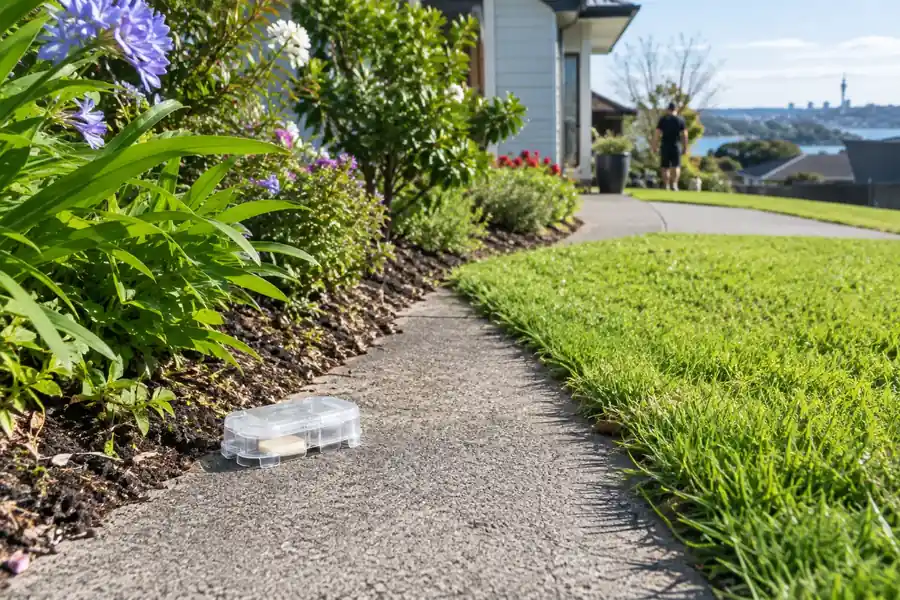
Every product a technician uses is applied to its label directions, as the Hazardous Substances and New Organisms Act 1996 requires. In practice that means bait in places small hands and paws can't reach, sprays outside on entry points rather than across open lawn, and clear advice on when treated areas can be used again. If you keep bees, chickens, fish or a vegetable garden, say so when you book.
The detail is on pet and child safe treatment. If anyone swallows a pest product, call the National Poisons Centre on 0800 764 766.
What the services cost
Published Auckland "from" prices run from about $210 to $255 incl GST for one area or a small home, and about $340 to $400 incl GST for inside and outside of a typical three-bedroom house. Commercial, apartment and programme work is quoted after a visit. Your own price comes in writing after the technician has seen the property.
The cost page lists the businesses whose prices we checked and what changes the figure. You can also read what a good ant quote names before you compare.
Where the services are available
All of these services are available across the Auckland region. Technicians come to you; there's no shopfront. Outlying rural addresses in Rodney or Franklin can carry a travel charge, confirmed before anything is booked. Each area has its own page on ant control across Auckland, with notes on the housing and ground there.
Ant control questions
Which service do I book if I don't know the species?
Book a general ant treatment. The technician identifies the ant on the visit and adjusts the method. Describing where you see the ants and taking a close photo helps.
Can more than one service be done in one visit?
Yes. A typical visit covers the kitchen, any wall nests and the outside perimeter together. Lawns, decks and sheds can be added if they're part of the problem.
Do you treat other pests at the same visit?
This site arranges ant control. If you've also seen cockroaches, spiders or signs of rodents, mention it when you call so the technician knows before they arrive.
Where these facts come from
Checked 5 November 2026