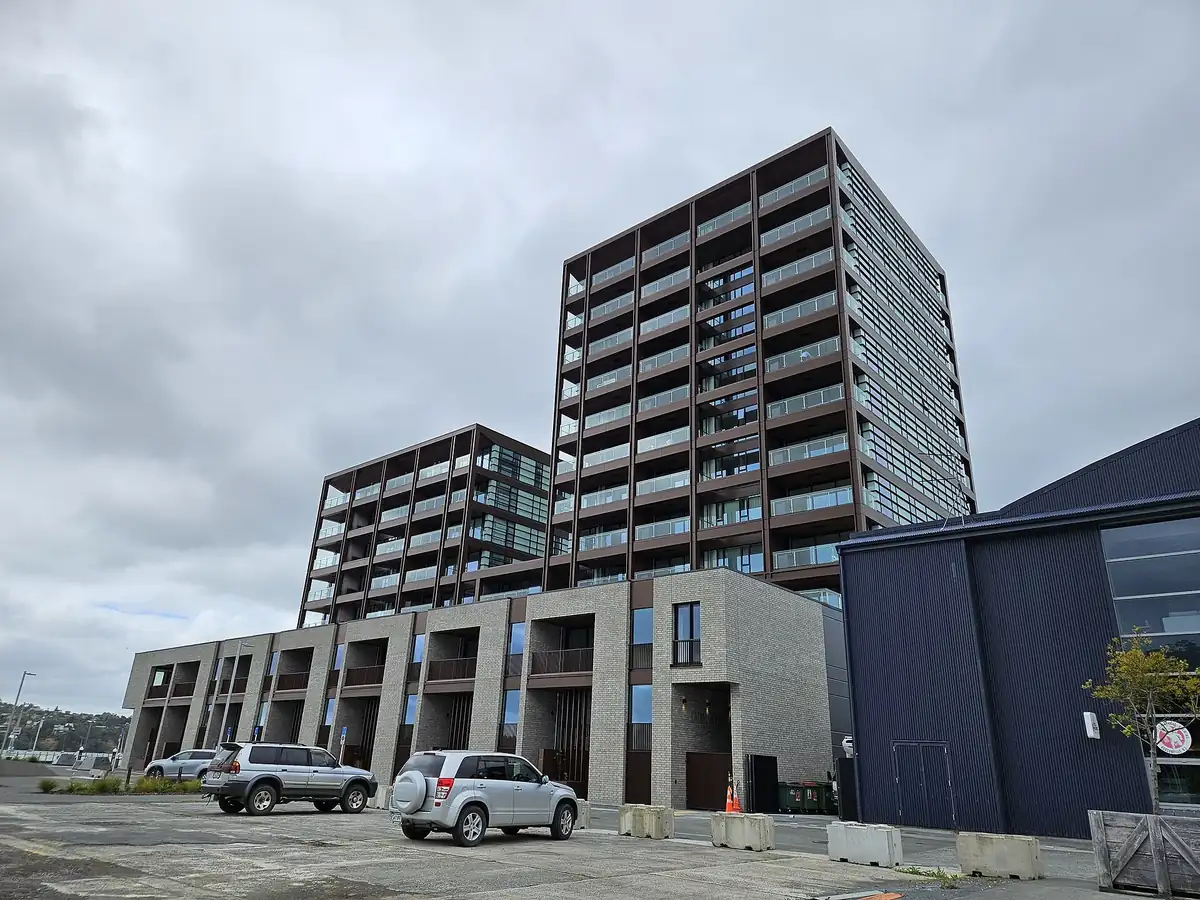

Ant control in an apartment or townhouse works best when the whole building is treated together: the common grounds and gardens, the base of the building, shared service ducts, and every affected unit, ideally on the same day. A single unit can be treated on its own, and it will help, but ants living in shared walls and landscaping usually return within weeks. The body corporate or building manager is the right person to organise a building-wide treatment.
Why ants move between units
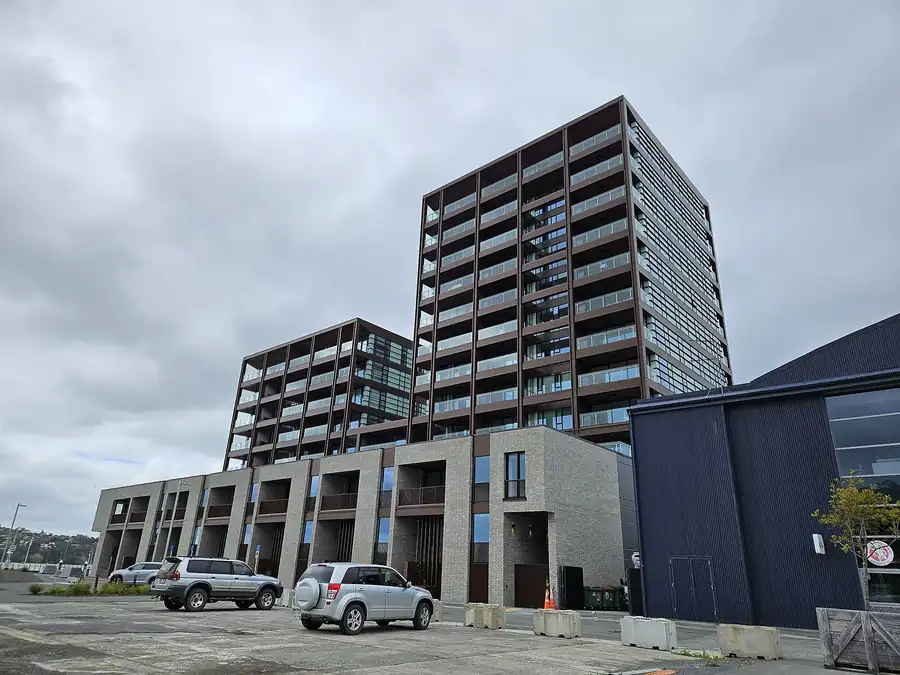
Apartments and terraces are joined by shared walls, floors, ceilings, pipes, cable trays and risers. Ants use all of them. A colony nesting in the gardens at ground level or in a wall cavity between two units can feed in several kitchens at once. Treating one kitchen removes one food source; the colony simply uses another.
Landcare Research records white-footed house ants nesting in wall cavities and reaching very high numbers in buildings, and Argentine ant colonies spread through many connected nests. Both behave well in multi-unit buildings, from the ants' point of view. In newer Auckland developments, long runs of paving and landscaped gardens close to the building give them a perfect base.
Signs the problem is building-wide
Some signs suggest the ants aren't just your problem. It's worth checking with neighbours or the building manager before booking, because the answer changes who should arrange the treatment.
- neighbours on either side, above or below, also have ants
- trails come from a shared wall, a service cupboard or the bathroom riser
- ants appear in common areas, lobbies, bin rooms or the car park
- treatment of your unit worked for a few weeks and then the ants returned
- the gardens around the building have busy trails along the paving
Organising a building-wide treatment
The body corporate committee or the building manager usually arranges whole-building pest control, because it involves common property and access to several units. A technician surveys the site, identifies the species and nest areas, and proposes a plan. Residents are told in advance which day the technician will visit, what to prepare and how long to keep pets off treated areas.
On the day, the outside and common areas are treated first, then each affected unit. Units that can't give access on the day can be done soon after, but the closer together the visits, the better the result. A follow-up across the building is common for Argentine and white-footed ants.
What a unit owner or tenant can do
If you're the only one with ants, or the body corporate won't act yet, a single-unit treatment is still worth doing. The technician focuses on where ants enter your unit: the kitchen, bathroom, laundry, balcony door and any service penetrations. Bait goes into cracks and stations and a non-repellent product goes where ants come in.
Report the problem to the building manager in writing at the same time. If you rent, tell your landlord or property manager. Tenancy Services expects a rental to be free of pests at the start of a tenancy, and sets out who is responsible later depending on the cause. See rentals and landlords.
Balconies, courtyards and podium gardens
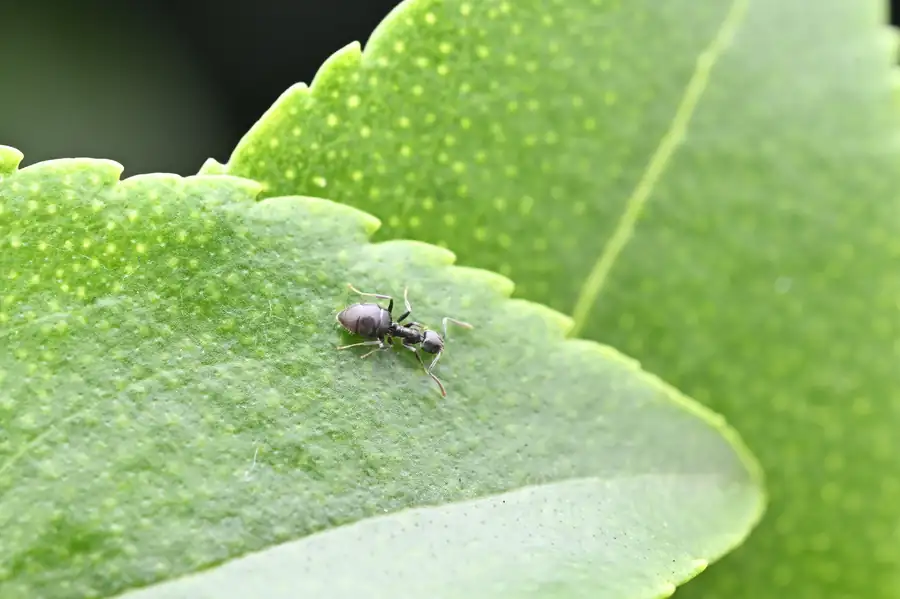
Balconies, ground-floor courtyards and podium gardens are often where the colony actually lives. Planter boxes, pot plants, artificial turf and decking tiles all shelter nests close to the units. Trails then run up the building facade, along balcony door tracks or through drainage gaps into the unit.
Pot plants are the commonest way ants arrive in the first place. Council advice for checking pots is to submerge them in water for two minutes. See moving plants and soil before bringing plants in from a previous home.
New developments
Brand-new buildings get ants surprisingly quickly. Landscaping soil and plants can carry colonies in, construction disturbs existing nests nearby, and new cladding, joinery and service penetrations have gaps that haven't yet been sealed. Developments in growth areas like Hobsonville, Flat Bush and Millwater often have ants in the first summer.
If you're in a new building with ants, check whether defect or maintenance periods cover sealing gaps around penetrations. Ants in new builds covers the common entry points.
Pricing
Building-wide treatments are quoted after a site survey because buildings vary so much: number of units, how many are affected, the size of the grounds and how many visits are needed. No Auckland operator we checked publishes body corporate ant prices. For a single unit, published household prices of about $210 to $255 incl GST for one area or a small home are the closest guide.
The quote should set out what's covered in common areas, how units are treated, the follow-up, and whether GST is included. Reading an ant quote has a checklist.
Ant control questions
Who pays for ant control in a body corporate?
That depends on the body corporate's rules and whether the ants are in common property or a single unit. The committee or building manager can tell you.
Do all residents have to be home?
Someone needs to give access to each unit to be treated. Building managers often arrange keys for residents who can't be there.
My neighbours won't treat. Is it worth doing mine?
Yes, it reduces ants in your unit. Expect to need a follow-up, and keep reporting the problem to the building manager.
Where these facts come from
Checked 5 November 2026