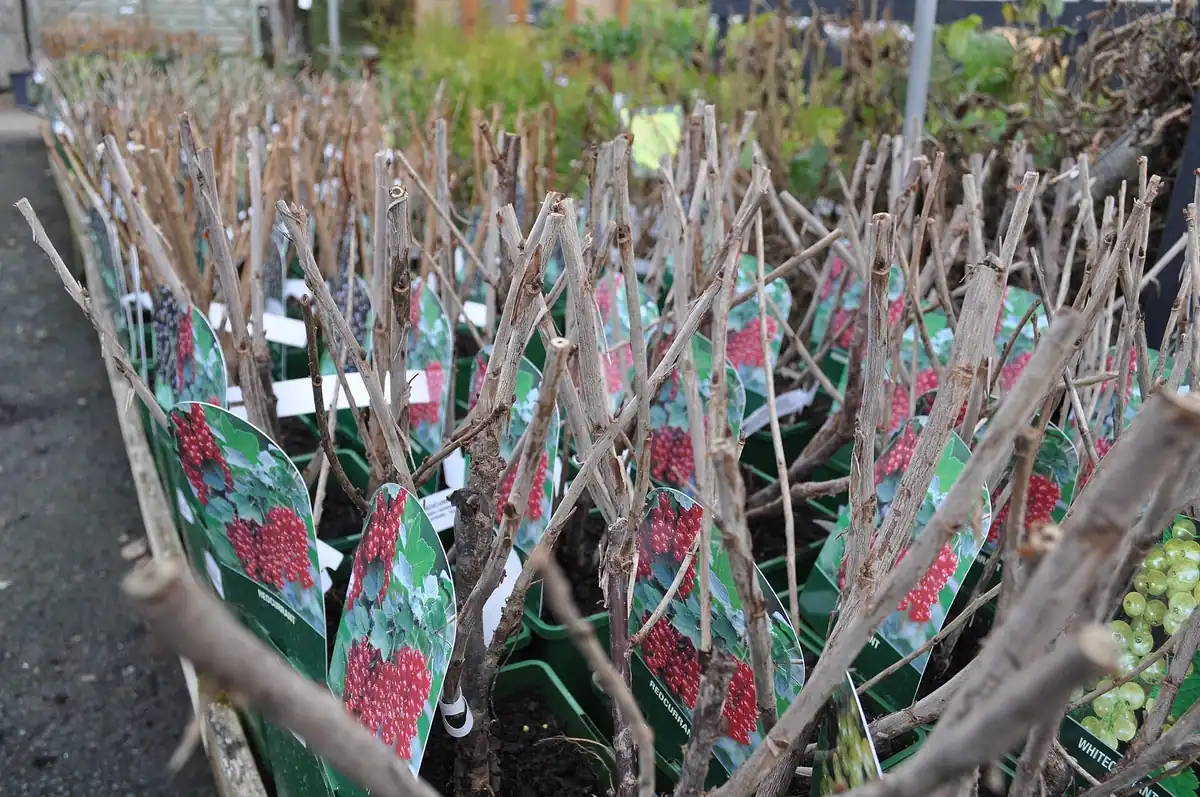

To avoid moving ants, check pot plants, soil, mulch, bark, compost, building materials and outdoor gear before they leave a property. Auckland Council's advice is to submerge pot plants in water for two minutes to flush out ants, and to inspect camping gear, soil, bark, building materials, vehicles and boats before moving them. Its pest plan bans breeding, distributing, releasing or selling Argentine and Darwin's ants anywhere in the region.
Why moving things matters so much
Argentine ants spread slowly on their own. Landcare Research explains that queens don't fly; new nests form when a queen and workers walk off from an existing one, about 150 metres a year. That's barely a few sections. Yet the species now turns up all over Auckland, including on islands. The difference is people carrying nests in soil, plants and goods.
Darwin's ants spread the same way. Both species nest happily in pot plant soil and under pots, in bags of mulch and in piles of pavers or timber stored on the ground. A single potted plant from an infested garden can carry a queen and enough workers to start a colony.
The two-minute pot plant soak
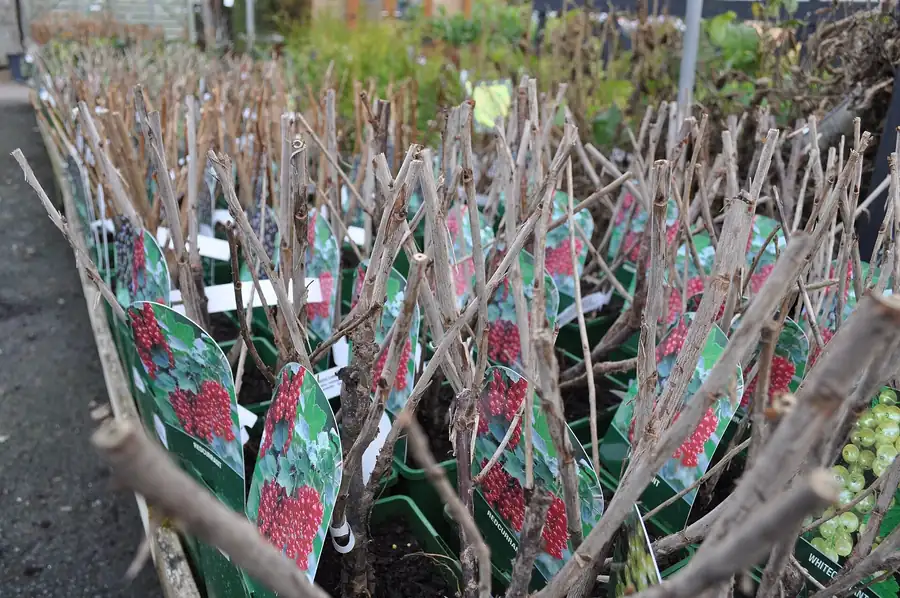
Council's simple check for pot plants is to submerge the pot in water for two minutes. Ants in the soil will float up or crawl out, showing you whether the plant is carrying a nest. It takes no special equipment: a bucket, a laundry tub or a wheelbarrow of water is enough for most pots.
- Fill a container deep enough to cover the soil surface.
- Lower the pot in and hold it under for two minutes.
- Watch for ants and brood rising to the surface.
- If you see them, don't move the plant until the ants are dealt with.
- Let the pot drain well before moving it.
Soil, mulch, bark and compost
Bulk garden materials are harder to check than pots. Before moving soil, mulch or compost from one property to another, look for ant activity on the heap on a warm day, and turn a spadeful over to check for brood. Commercial suppliers have their own controls; the bigger risk is informal swaps of soil and plants between friends and neighbours.
If your property has Argentine or Darwin's ants, keep your garden waste on site or put it in the green waste collection rather than giving it away. That's the practical meaning of council's rule against distributing the ants.
Moving house
Moving day is when most people carry ants without knowing it. Pot plants, garden furniture, kids' outdoor toys, firewood, pavers stacked by the shed and boxes from the garage can all hide nests. Check them before loading, ideally a day or two ahead so you can deal with anything you find.
At the new place, keep potted plants on a hard surface away from the house for a week and watch for trails before planting them out. Before you move in covers treating the new house while it's empty.
Trips to the islands
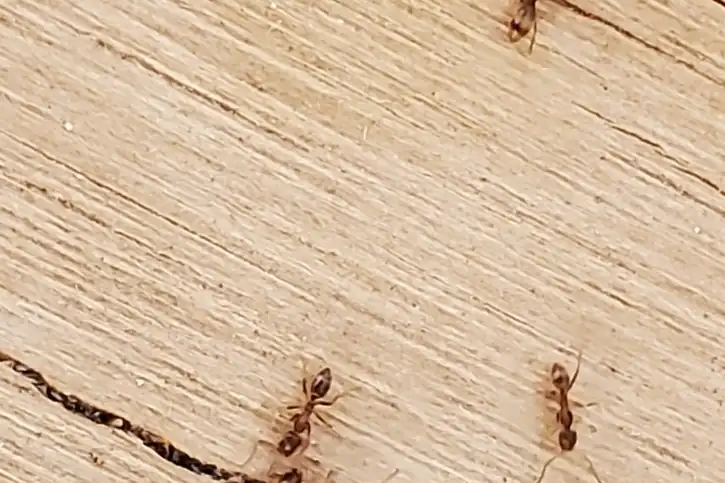
The rules are stricter for the Hauraki Gulf. Auckland Council's pest plan makes it an offence to move Argentine ants to or within the Hauraki Gulf Controlled Area. Commercial transport operators serving the islands will need a Pest Free Warrant, and anyone moving a building to or between islands must give council at least 10 working days' notice for an inspection.
For visitors and bach owners, that means checking bags, boxes, chilly bins, camping gear and boats before you leave the mainland. See Hauraki Gulf islands and ants.
Builders and landscapers
Construction and landscaping move large amounts of material: soil, gravel, pavers, timber, plants and machinery. Materials stored on the ground at an infested yard or site can carry nests to the next job. Good practice is storing materials off the ground, checking them before loading, and cleaning machinery between sites. If you're having landscaping done, it's reasonable to ask where the soil and plants come from.
This is also why new subdivisions can get ants surprisingly quickly. See ants in new builds.
If you've already moved ants
If you realise you've brought ants with you, deal with them early. A new colony is small and much easier to clear than an established network. Isolate the plant or item, and treat the area before the colony buds. A technician can treat the new property inside and out; published Auckland prices for one area or a small home start at about $210 to $255 incl GST, and for inside and outside of a typical three-bedroom home at about $340 to $400 incl GST.
Ant control questions
Do I have to treat ants before selling plants at a garage sale?
Selling or distributing Argentine and Darwin's ants is banned in Auckland. Check plants first and don't sell any carrying ants.
Does the two-minute soak hurt the plant?
Most potted plants tolerate a brief soak. Let them drain well afterwards.
Are garden centre plants safe?
Commercial nurseries manage pests, but it's still worth checking any plant before it goes in your garden.
Where these facts come from
Checked 5 November 2026