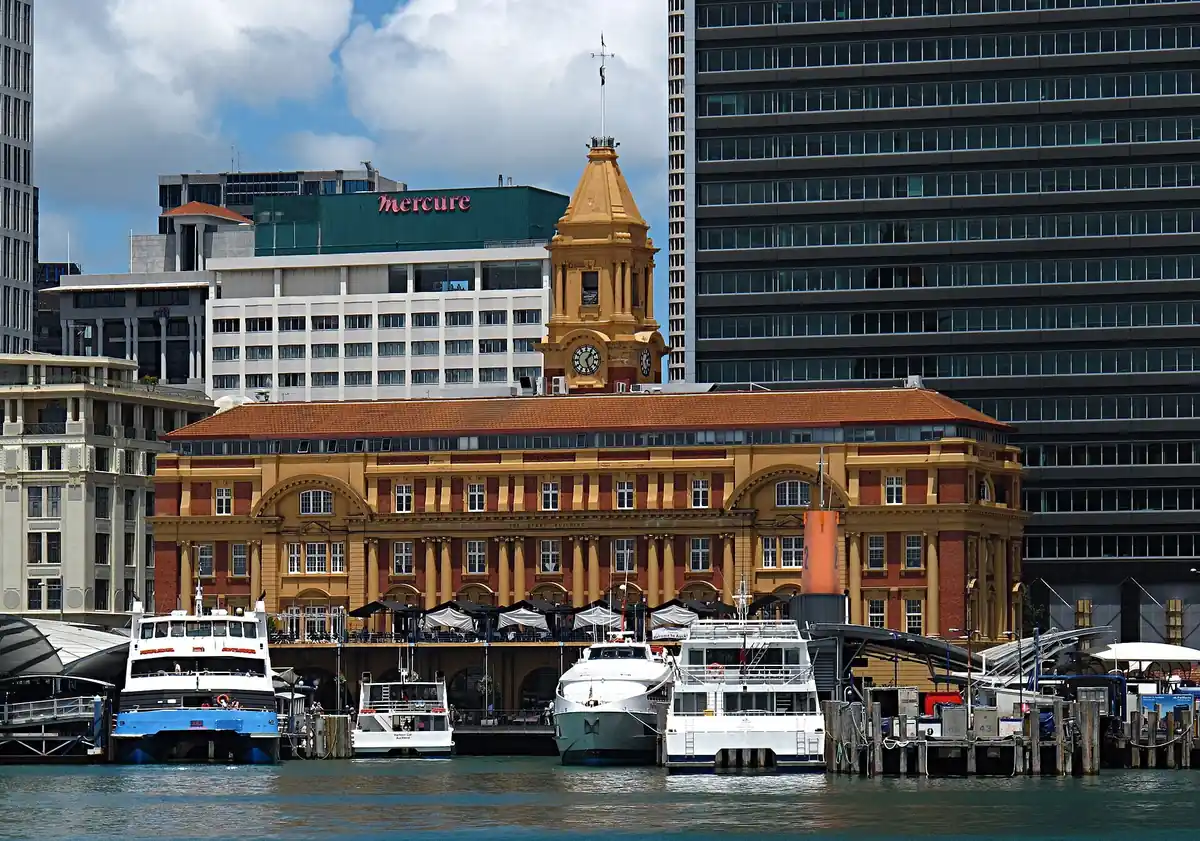

Under Auckland Council's Regional Pest Management Plan, nobody may move or allow the movement of Argentine ants to or within the Hauraki Gulf Controlled Area. Before heading to an island, check bags, boxes, chilly bins, camping gear, boats and especially pot plants and soil; council suggests submerging pot plants in water for two minutes. Commercial operators will need Pest Free Warrants, and moving a building to an island needs ten working days' notice.
Why the islands are different
Many Hauraki Gulf islands are pest-free or close to it, and they're refuges for native birds, lizards and insects that struggle on the mainland. DOC notes that pest-free islands make up a tiny share of New Zealand's land but protect a large share of its threatened birds and reptiles. Argentine ants attack and compete with native insects and can harm lizards and nesting birds.
That's why the islands get stricter rules than the mainland, where Argentine ants are already widespread and managed rather than eradicated.

The island programmes
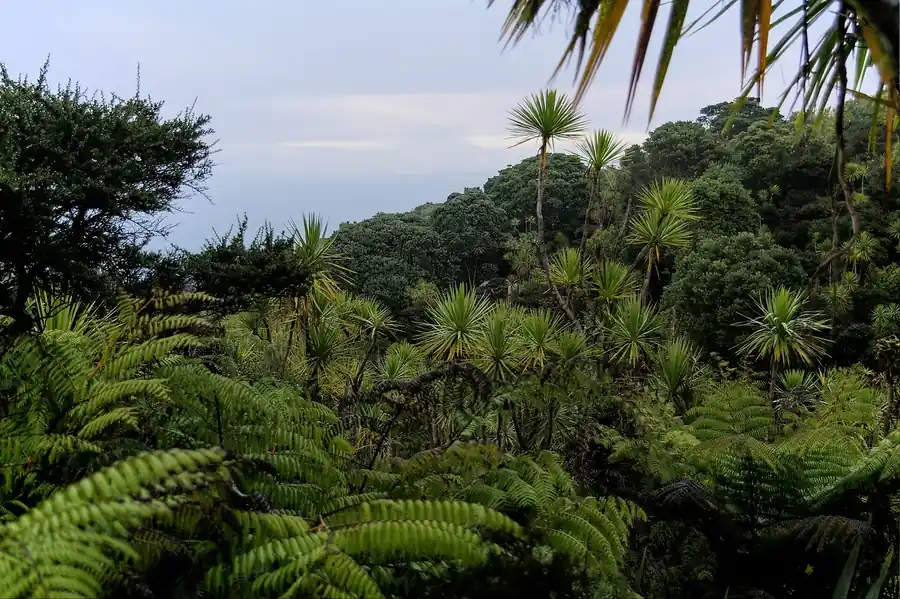
DOC reported in 2019 that Argentine ant projects were under way on Kawau and Great Barrier (Aotea) islands, and on Ahuahu Great Mercury Island, where ants were found in 2013. DOC describes Tiritiri Matangi as the only place Argentine ants have been successfully eradicated, while Landcare Research's guidance describes it as having come close. Conservation dogs have been trained to sniff out ants.
These programmes are slow, expensive and depend on not having ants reintroduced. One careless pot plant can undo years of work.
What the rules say
Auckland Council's pest plan gives the Argentine ant three statuses that matter for the Gulf: a site-led pest in the Hauraki Gulf Controlled Area, a Controlled Area Notice pest, and a sustained-control pest region-wide. Rule 7.1.2.1.1 of the controlled area section prohibits moving or allowing the movement of any Argentine ant to or within the controlled area. Darwin's ant has the same statuses.
Council also says commercial transport operators moving goods or people to or among the islands will need a Pest Free Warrant, and anyone moving a building to or between islands must notify council at least 10 working days beforehand so an inspection can be arranged.
What visitors should check
DOC's advice is that visitors check gear, boats and luggage for pests including ants and rodents. In practice, before you leave the mainland:
- unpack and shake out bags, tents and camping gear, especially if they've been stored in a garage or shed
- check chilly bins, boxes and cartons, which ants love
- don't take pot plants, soil, bark or firewood unless you've checked them
- load boats in daylight so pests can't slip on after you've checked
- check the boat's lockers and cockpit if it's been moored near infested land
## Bach owners and island residents
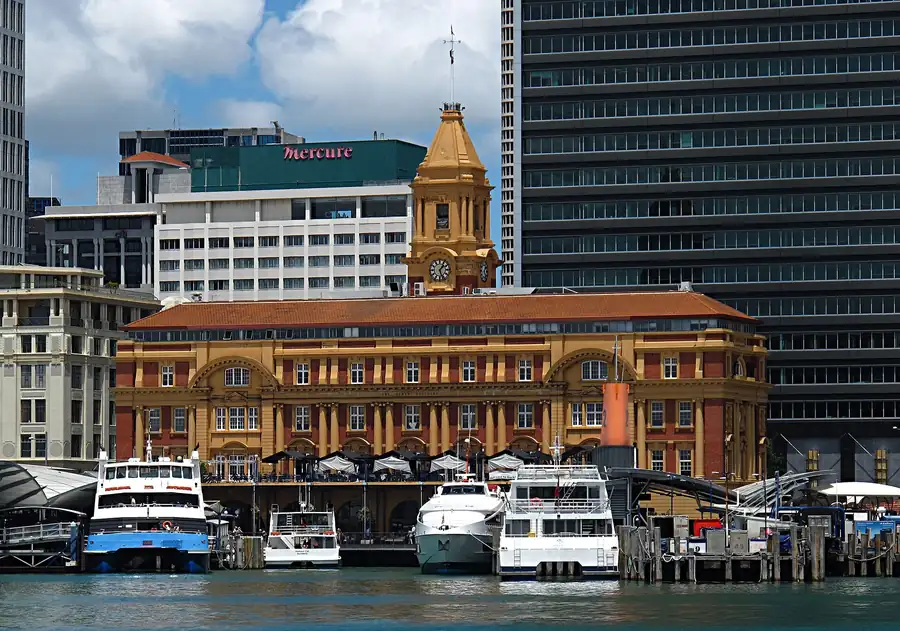
If you own a bach or live on an island, you're the front line. Bring building materials, landscaping supplies and plants only from sources you trust, and check them on the mainland. Keep an eye out for new trails around the bach, especially near where deliveries are unloaded. If you suspect Argentine ants have arrived somewhere new on an island, contact Auckland Council's biosecurity team.
Ant treatment on islands is arranged case by case because of ferry timing and the island's rules. See before you move in for preparing a bach for summer.
Pot plants: the two-minute soak
Council's simplest check is to submerge pot plants in water for two minutes. Ants and brood in the soil come up to the surface. If you see them, the plant doesn't go. Moving plants and soil has a step-by-step version.
Leaving from Sandspit, Gulf Harbour or downtown
Ferries and water taxis to the islands leave from places like downtown Auckland, Gulf Harbour on the Whangaparāoa Peninsula and Sandspit near Warkworth. The checks are the same wherever you leave from. See our pages for the Hibiscus Coast and Warkworth, Matakana and Rodney.
On the mainland side
If your mainland property has Argentine ants and you travel to the islands often, treating your own property helps too. Fewer ants at home means fewer stowaways in your gear. Published Auckland prices for inside and outside of a typical three-bedroom home start at about $340 to $400 incl GST.
Ant control questions
Is it illegal to take ants to Waiheke?
Moving Argentine ants to or within the Hauraki Gulf Controlled Area is prohibited under Auckland's pest plan. Check before you go.
Do I need a permit to take plants to an island?
The rule is about not moving ants. Check plants thoroughly; council's advice is a two-minute soak.
What if I find ants after arriving?
Contain the item if you can and contact Auckland Council's biosecurity team for advice.
Where these facts come from
Checked 5 November 2026