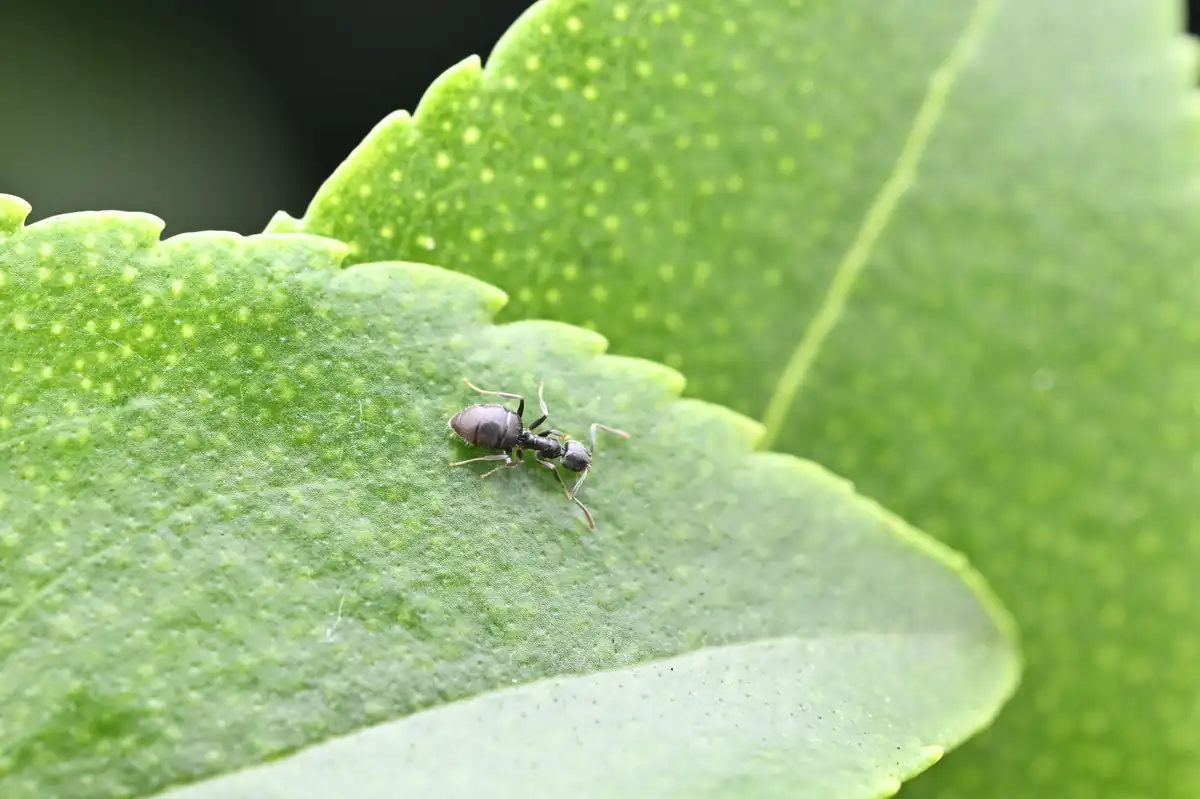
Ants active indoors in winter are usually nesting inside the building, where heating keeps the wall cavity or sub-floor warm enough to forage. Outdoor Argentine ant colonies slow right down in cold weather; Landcare Research found they stop foraging below about 15°C and are at their lowest numbers in winter. A winter trail therefore points to a nest in the structure, often white-footed house ants, and that nest is easier to find while outdoor activity is quiet.
What normally happens in winter
Outdoors, Auckland's ants slow down as temperatures drop. Landcare Research found Argentine ants forage most between about 10 and 30°C and stop below about 15°C on the ground, with numbers lowest in winter. Colonies contract, brood production slows and trails fade from the garden. Most people stop seeing ants indoors by late autumn.
The colony doesn't die; it shelters and waits for spring. That's why the same trail reappears in October. Argentine ant season covers the yearly cycle.
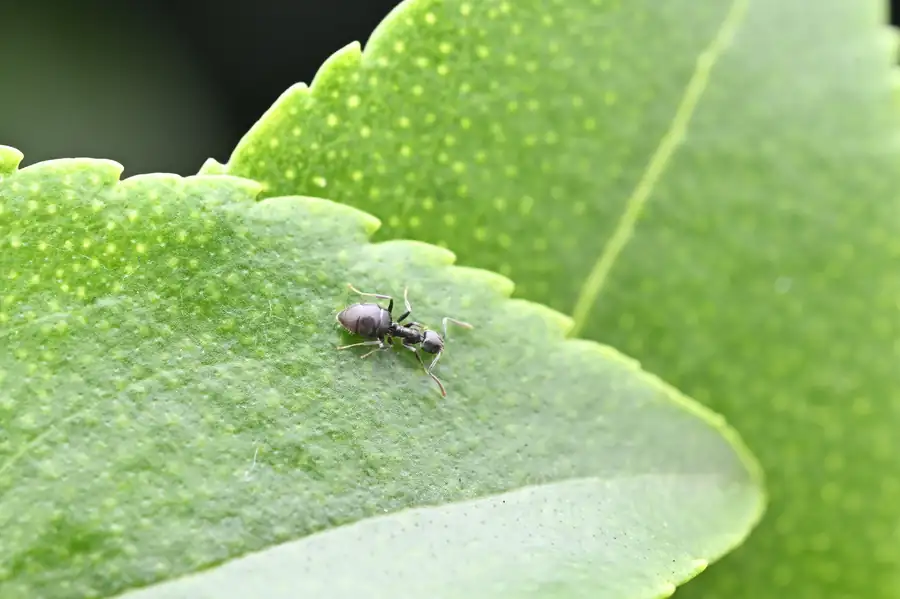
Why some ants don't slow down
A wall cavity in a heated, insulated house sits at close to room temperature all year. A colony living there experiences permanent mild spring. It keeps foraging, raising brood and growing, using the kitchen and bathroom as its food and water supply.
Landcare Research records white-footed house ants nesting in wall cavities of buildings and reaching very high densities there. That makes them the most common winter ant in Auckland homes. Black house ants also nest in walls and ceilings and can stay active indoors.
Where winter trails come from
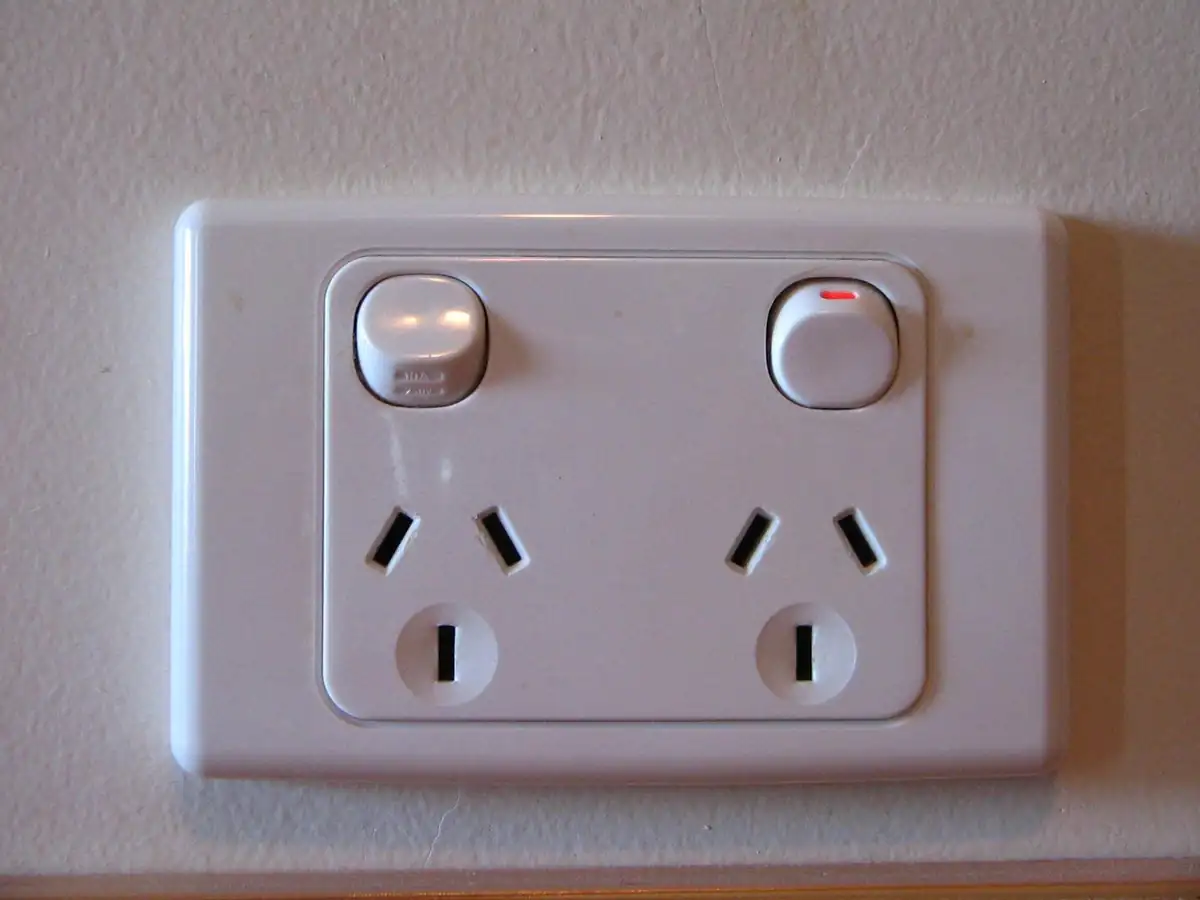
Winter trails tend to appear at places connected to the inside of the walls rather than the garden: power points, light switches, the top of skirting boards, window frames, the edge of the bath, and behind the fridge or dishwasher, where motors add warmth. If the trail doesn't lead to an outside door or window, the nest is likely inside.
## Why winter is a good time to treat a wall nest

A winter trail is easier to follow than a summer one, because there's no flood of outdoor ants confusing the picture. The colony is concentrated in one place, it's foraging steadily, and it will take bait placed along its route. Technicians are also less busy than in summer, so visits are easier to book.
Treatment combines bait close to where the ants feed, generous for white-footed ants because Landcare notes their workers don't share food, and, where the label allows and it's safe, product into the cavity through a gap away from electrical fittings. See nests in walls and ceilings.
What not to do
Avoid spraying the trail or the gap it comes from. A repellent spray pushes the colony deeper into the wall and can split it. Don't spray into power points or light fittings; see ants in power points. Don't seal the exit gap yet, because it's the easiest route for treatment.
Winter jobs that pay off in spring
Even if you don't have winter ants, the quiet months are the time to make next summer easier. Seal gaps where pipes and cables enter the house, cut back plants and branches touching walls and roofs, clear soil and mulch from weatherboards, clean gutters, and fix leaks that keep timber damp. Each removes an entry point or a nest site before spring.
Then book a spring treatment for late September or October, which Landcare's research shows works as well as summer baiting. See seasonal ant programme.
Cost
A winter wall-nest treatment usually covers one area of the house plus the outside wall, which sits in the published Auckland range of about $210 to $255 incl GST for one area or a small home. If several walls are involved, inside and outside of a typical three-bedroom home is listed at about $340 to $400 incl GST. You get a written price after the inspection.
Ant control questions
Do ants hibernate in New Zealand?
Not in a strict sense. Outdoor colonies slow down and shelter; indoor colonies in heated walls may not slow down at all.
Are winter ants a sign of a bigger problem?
They're a sign of a nest inside the building. That's worth treating, but it's often easier to deal with in winter.
Will the ants go away in spring?
Indoor colonies won't. Outdoor colonies will become more active, so spring is when problems grow.
Where these facts come from
Checked 5 November 2026