Argentine ant season in Auckland runs roughly from November to March. Landcare Research found these ants forage most between about 10 and 30°C, with worker activity peaking in mid-summer and numbers lowest in winter. In practice, trails start building in late spring, explode with the first run of warm, humid days, and stay heavy until autumn cools things down. The best moment to act is before the peak, in spring.
What happens to a colony through the year
An Argentine ant colony isn't one nest but a network of nests with many queens. Through winter it shrinks, and foraging slows when it's cold. In spring, queens lay more eggs, the brood needs food, and workers spread out looking for it. By summer the network is at its largest, with more nests, more workers and more trails.
Landcare Research describes the colonies budding: a queen and some workers walk off and start a new nest nearby. Budding is easiest in warm months, which is why a property that had one trail in October can have three by January. Queens don't fly, so this spread happens on foot, about 150 metres a year by natural means, much further when people move soil and plants. How ant colonies work explains the structure.
Why November is the tipping point
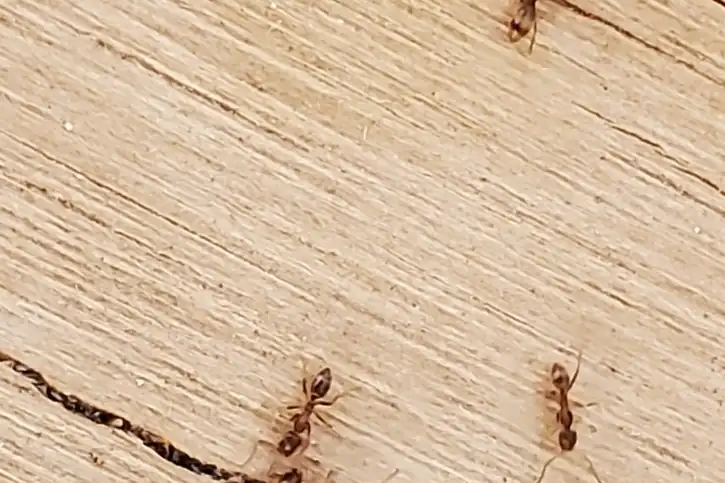
November is when Auckland's weather settles into the range Argentine ants like best. Landcare found they forage most between about 10 and 30°C and stop below about 15°C or above 32°C. Auckland's late-spring days sit comfortably in that window most of the day and night, so workers are active for longer, colonies feed more brood, and trails grow quickly.
It's also when humidity rises and gardens are growing fast, with aphids and scale on new shoots producing honeydew. Ants tend those insects for their sugar, which feeds even more workers. That's why the first heavy trails often appear on fruit trees and roses before they reach the kitchen.
Hot days and the midday lull
On the hottest days of summer, trails can thin out in the middle of the day and come back in the evening. Landcare's figure of activity stopping above about 32°C on the ground explains this: concrete paths and sunny decks get far hotter than the air. Trails shift to shaded routes, under paving and into wall cavities.
So a quiet afternoon doesn't mean the problem has gone. Check paths and the kitchen in the early morning or evening for a truer picture.
Why spring treatment works best
Landcare's later research found spring baiting, around early October, works as well as summer baiting. Treating in spring means dealing with a colony that's growing but not yet at full size, before it has budded into neighbouring corners of the section. The treatment has less to do, and the follow-up is usually lighter.
There's a practical reason too. From November to March every pest controller in Auckland is busy, so a spring booking gets a visit sooner. If ants were a problem last summer, they'll almost certainly be back; a seasonal ant programme schedules the spring visit for you.
What to do if the season has already started
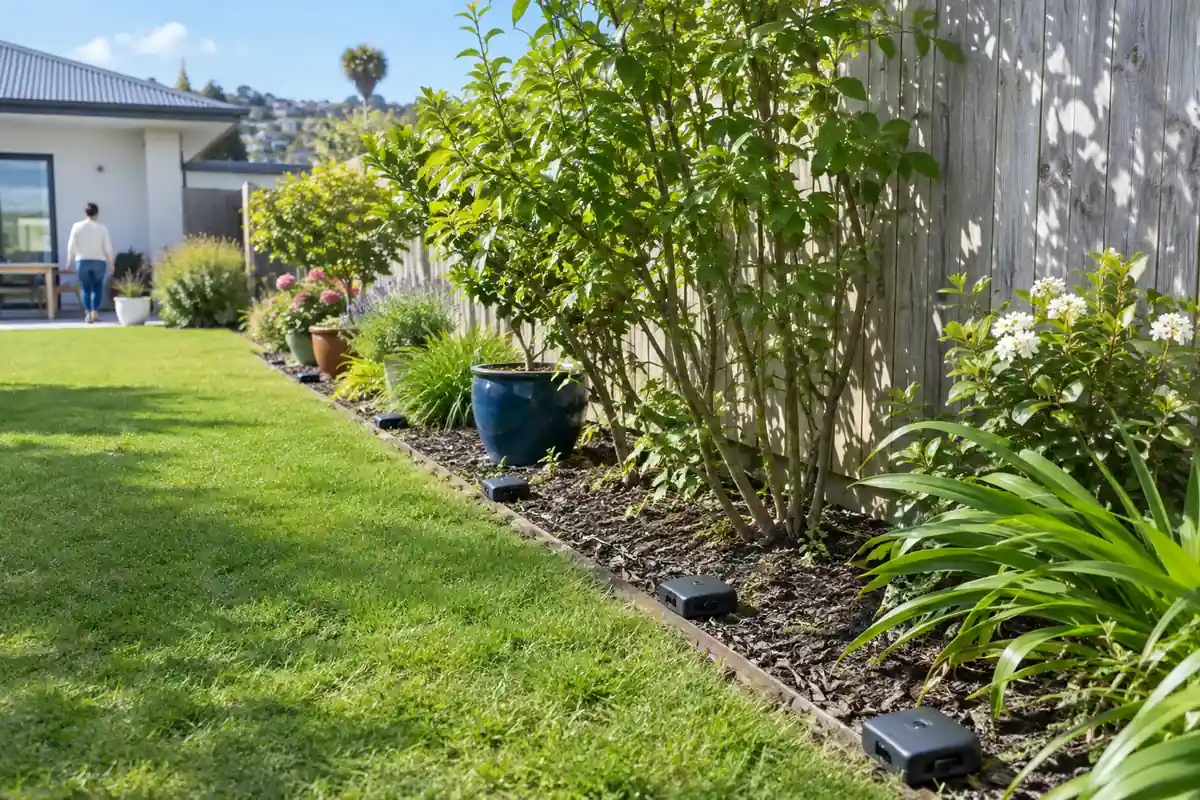
If you're reading this in December with a trail on the bench, it isn't too late. Treatment still works in summer; it may simply need a follow-up sooner and some patience. The most useful things you can do straight away are to stop spraying, which scatters the trail, and to keep food sealed so any bait is the most attractive thing in the house.
Then book a technician to treat the outside boundary and entry points as well as the inside. Argentine ants live outside; inside-only treatment buys a few weeks at most. Argentine ant control explains what that visit involves. Published Auckland prices for inside and outside of a typical three-bedroom home start at about $340 to $400 incl GST.
Rain, heat and sudden invasions
Summer storms bring their own surge. When heavy rain saturates the ground, colonies move up and often indoors, and a house that was fine for weeks can suddenly have ants in the pantry. That's usually short-lived once the soil dries, but it tells you where the ants can get in.
Ants after rain covers what to do in the days after a downpour.
Autumn and winter
As temperatures fall in autumn, foraging slows and colonies contract. Trails fade from the garden first, then from the house. Most people stop seeing Argentine ants indoors by late autumn, although a few trails can persist in heated homes.
That quiet period is a good time to fix the things that let ants in: sealing gaps around pipes, cutting back plants touching the house, clearing soil and mulch from weatherboards. Done in winter, those jobs make the next spring treatment last longer. Ants in winter covers the species that stay active indoors.
A simple Auckland ant calendar
| Months | What the ants do | What to do |
|---|---|---|
| June to August | Colonies small, little foraging | Seal gaps, trim plants back |
| September to October | Colonies growing, trails start | Book a spring treatment |
| November to December | Rapid growth, heavy trails | Follow-up, keep food sealed |
| January to March | Peak numbers, trails everywhere | Treat promptly, don't spray |
| April to May | Activity slowing | Note where trails came from |
Ant control questions
Why are there more ants this year than last?
Weather drives it. A warm, wet spring lets colonies grow faster. New neighbours' gardens or landscaping can also bring ants closer.
Do Argentine ants die off in winter?
No. Colonies shrink and forage less, but the network survives and grows again in spring.
Is October too early to treat?
No. Landcare found spring baiting around early October works as well as summer baiting.
Where these facts come from
Checked 5 November 2026