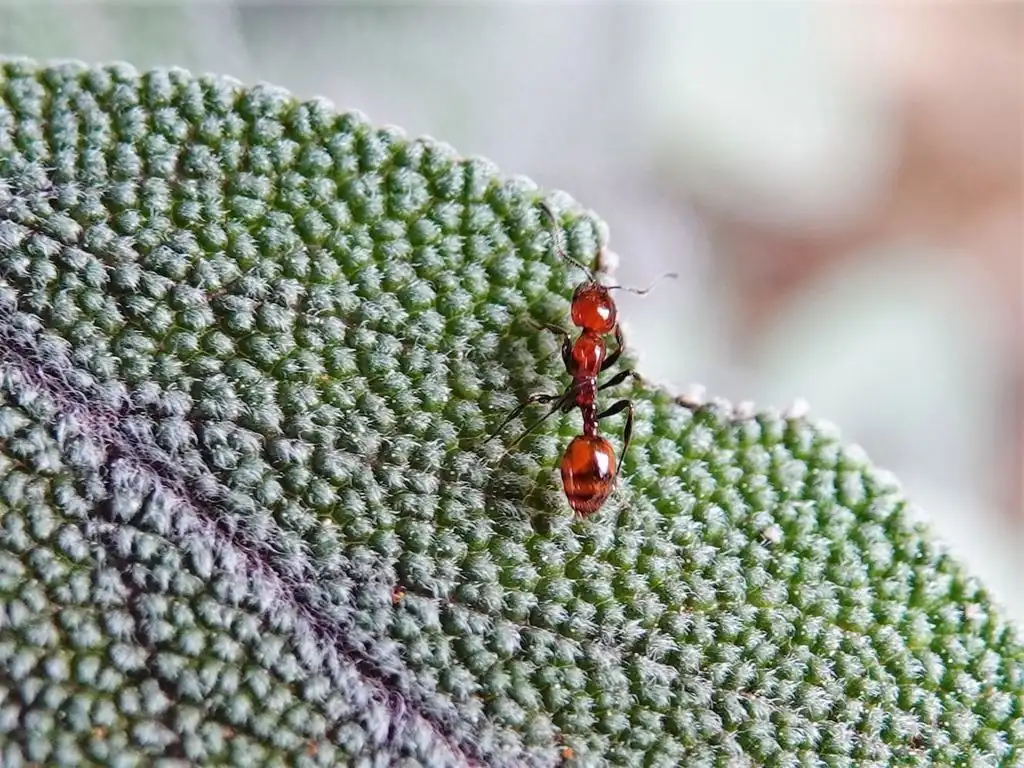
New Zealand has 38 confirmed ant species, according to Landcare Research, and 11 of them are native, found nowhere else. Natives live mainly in bush, leaf litter, soil, rotting logs and under stones, and very rarely come indoors or form the long trails of introduced pests. If you live near bush and see a few unfamiliar ants outside, they may well be natives, and they're best left alone.
How many ants New Zealand has
Landcare Research counts 38 confirmed species from 23 genera: 11 endemic and 27 introduced, mostly from Australia. Te Ara also records 11 native species. That's a small number by world standards; countries in the tropics have hundreds. New Zealand's isolation meant ants never became as dominant here as elsewhere.
The introduced species are the ones that cause problems in houses: Argentine, white-footed, black house and Darwin's ants. Telling house ants apart covers those four.
Where native ants live
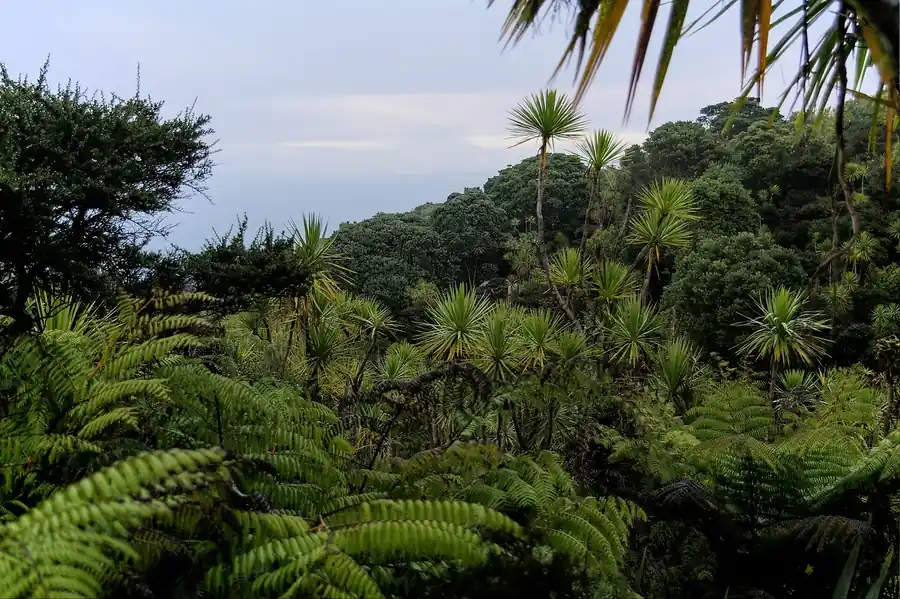
Native ants are mostly forest and soil creatures. They nest in leaf litter, under bark, in rotting wood, under stones and in the soil of bush, scrub and older gardens. Some are tiny and secretive, rarely seen above ground. Others forage on tree trunks and the forest floor. They tend to live in small colonies compared with introduced species.
In Auckland, bush-edge suburbs like Titirangi, Laingholm and the Waitākere foothills, and properties next to reserves and gullies, are where you're most likely to see them. See Titirangi and the Waitākere foothills.
How to tell a native from a pest
You don't need to identify species to make a sensible call. Behaviour is the best guide.
- Natives rarely form long, busy trails into the house.
- They're usually seen in small numbers outside, on logs, stones or trunks.
- They don't swarm over food on the bench.
- Pest species like Argentine ants push other ants out; where Argentine ants are heavy, natives are often absent.
If ants are in the kitchen in a steady trail, they're almost certainly introduced. If a handful are wandering on the deck beside the bush, they may be natives.
Why native ants matter
Native ants are part of the soil and forest ecosystem: they recycle dead insects and plant matter, aerate soil and are food for native birds and lizards. They're also under pressure. Auckland Council lists Argentine ants as preying on and competing with native invertebrates, which is one of the reasons the region manages them.
On Hauraki Gulf island sanctuaries, keeping Argentine ants out protects native insects as well as birds. See Hauraki Gulf islands and ants.

Why not to blanket-spray the garden
Spraying a whole garden or lawn for ants kills natives and beneficial insects along with any pests, and it rarely reaches the nests of the pest species anyway. On bush-edge properties, products can also drift or wash into streams and bush. A targeted treatment, at the house's entry points and along the actual trails of the pest species, is better for the garden and more effective.
A good technician will tell you what not to treat. That's part of the visit.
The one red ant to worry about
Some native ants are reddish. A small reddish ant in the garden is almost always harmless. The exception to watch for is a mound of loose, fluffy soil with small reddish-brown ants that sting painfully and swarm when disturbed. That could be fire ants, which are not established in New Zealand. Report suspected fire ants to MPI on 0800 80 99 66. See fire ants: what to do.
If natives do come inside
Occasionally a native ant wanders indoors, especially in houses surrounded by bush. A few ants that come and go don't need treatment; sealing gaps and keeping food covered is enough. If a steady trail develops, it's worth confirming the species, because it's more likely to be an introduced ant using the same route.
Cost of a targeted treatment
A targeted treatment of the house and immediate surrounds on a bush-edge property usually sits within published Auckland "from" prices: about $210 to $255 incl GST for one area or a small home, or about $340 to $400 incl GST for inside and outside of a typical three-bedroom home.
Ant control questions
Are native ants protected?
Native ants aren't pests under Auckland's pest plan. Treating them deliberately serves no purpose and harms the ecosystem.
Do native ants bite?
Some can nip if handled, but they're not a problem for people in normal circumstances.
Can I tell natives apart without a microscope?
Not reliably to species. Behaviour, numbers and location are the practical guide.
Where these facts come from
Checked 5 November 2026