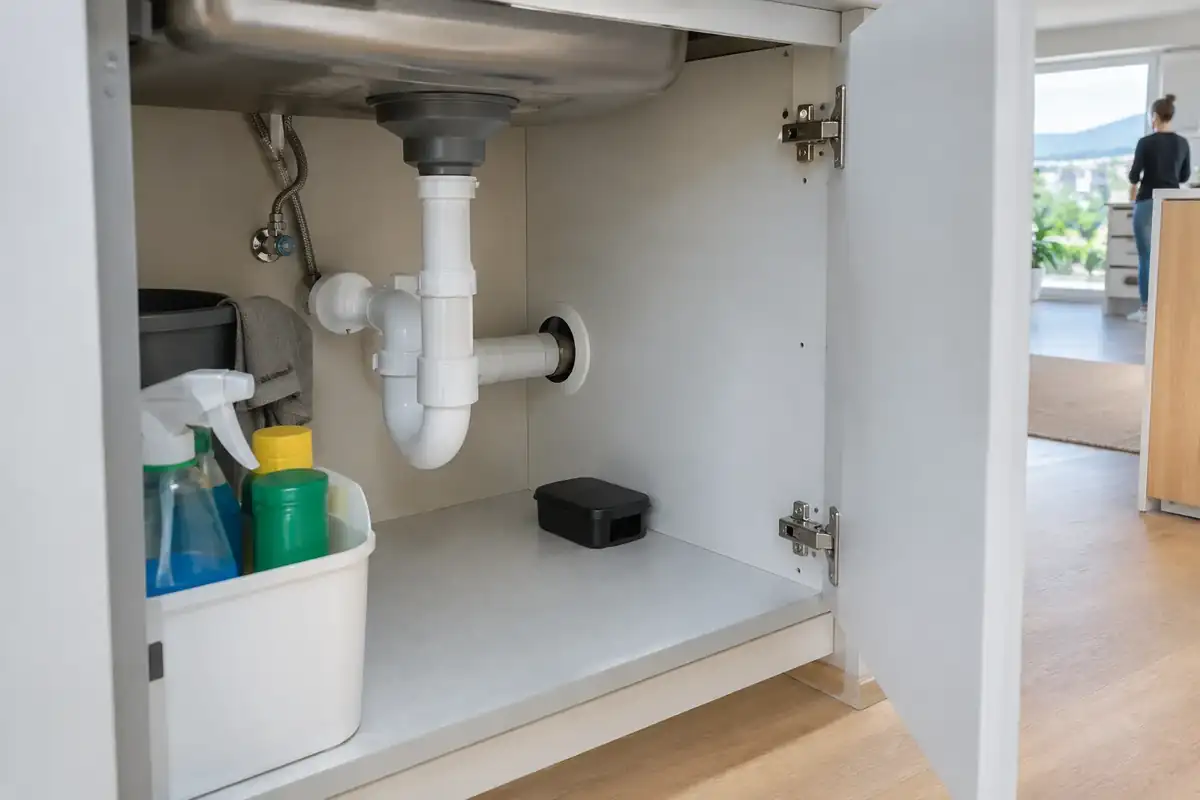
To prepare for an ant treatment: stop spraying and leave the trail visible for a day or two, keep the packets of anything you've used, clear the cupboard under the sink and the pantry floor, seal open food, note where and when you see ants, and plan for children and pets to be out of the treated rooms. Make sure the technician can get to the outside of the house, the sub-floor and any deck.
The short checklist
- Stop spraying a day or two before the visit.
- Leave the trail; don't scrub it with disinfectant.
- Keep packets or cans of anything you've used.
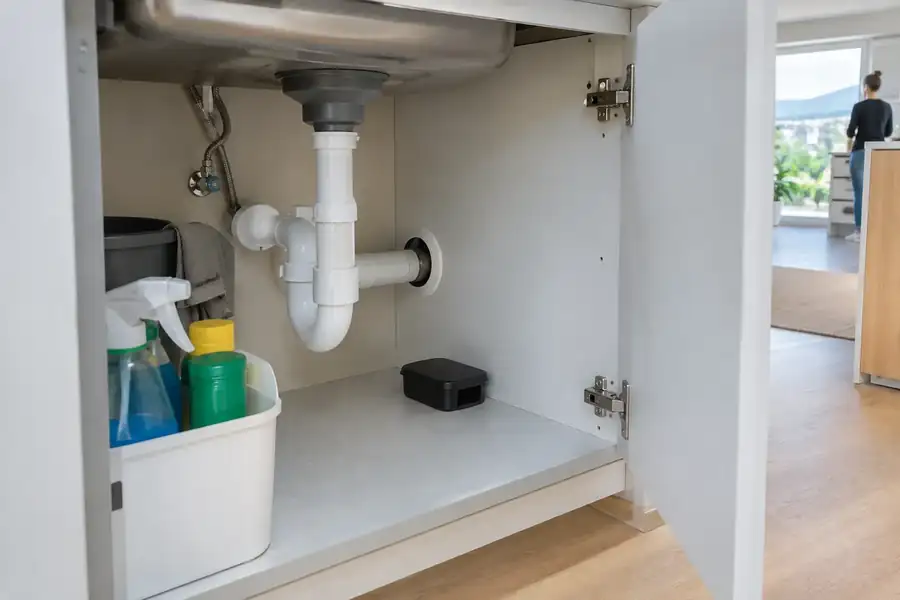
- Clear under the kitchen and bathroom sinks.
- Clear the pantry floor and bottom shelf.
- Put open food in sealed containers or the fridge.
- Note where you see ants, and at what time of day.
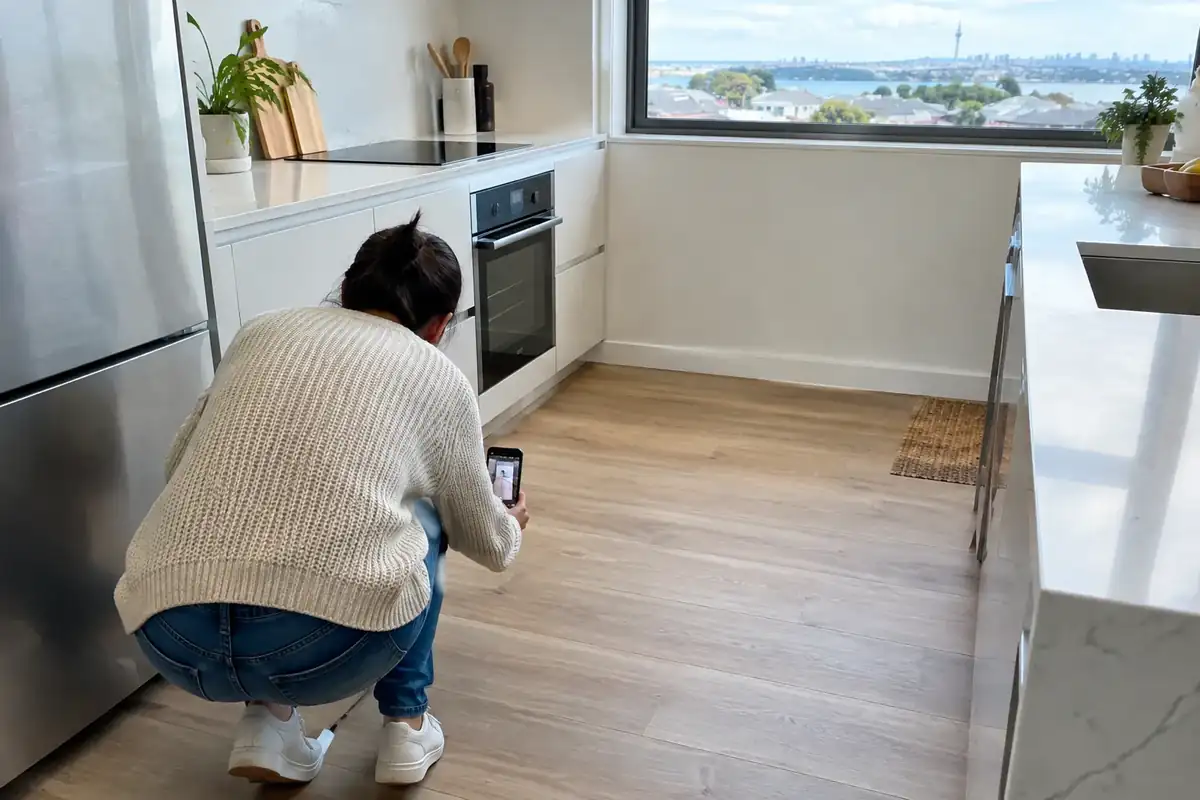
- Take a close photo of a few ants with a coin for scale.
- Arrange for pets to be in another room or outside the treated area.
- Unlock gates and make sure the sub-floor hatch is reachable.
Why leave the trail
The trail is the technician's map. A visible, undisturbed trail leads to where ants enter the house and, often, toward the nest. If it's been sprayed or scrubbed with disinfectant, the ants scatter and the trail-following that makes a treatment effective gets harder. Repellent sprays in particular push ants into wall cavities. See why sprays scatter ants.
If the ants are in food, wipe the food area itself, but leave the route along the skirting or bench edge alone.
Why keep the packets
Products you've already used matter. A repellent spray along the skirting changes where the technician should put bait. Some products don't mix well. And if anyone in the house has a reaction or swallows something, knowing exactly what's been used helps the Poisons Centre, on 0800 764 766. Keep the cans and packets together for the technician to read.
Clearing the right spaces
You don't need to empty the house. The technician needs to see and reach the places ants travel and where bait goes: under sinks, the pantry floor, behind the fridge if it can be eased out, along skirtings and around windows. In bathrooms, clear the vanity cupboard. Outside, clear pot plants and stored items away from the house walls where you can.
## Pets, children and fish
Tell us about every animal when you book. On the day, keep dogs and cats in a room that isn't being treated, or outside away from treated areas. Cover fish tanks and turn off air pumps if work is being done nearby. Move caged birds to another room. Small children should be kept out of treated rooms until the technician says otherwise.
See pet and child safe treatment.
Access outside
Most ant problems start outside, so the technician needs to walk the whole outside of the house. Unlock side gates, tie up dogs, move cars if they're over a path the ants use, and make sure the sub-floor hatch, deck underside and any shed can be reached. If you're in an apartment, arrange access to common areas with the building manager.
Notes that help
A few notes save time: when the ants first appeared, which rooms, whether they come at night or day, whether they've got worse after rain, whether you've seen winged ants, and anything that changed recently, such as new paving, a new deck or a neighbour's renovation. A photo of where the trail starts and ends is gold.
On the day
The technician will ask questions, inspect inside and out, explain what they've found and give you a written price before treating. Ask anything you like: what products, where, how long to keep off treated areas. Published Auckland prices for one area or a small home start at about $210 to $255 incl GST, and for inside and outside of a typical three-bedroom home at about $340 to $400 incl GST.
Afterwards
Don't wipe away bait placements, don't spray, keep food sealed and give the treatment time. More ants at the bait for a day or two is normal. After a treatment has the aftercare.
Ant control questions
Do I need to be home?
Someone needs to let the technician in and hear what they found. Outside-only work can sometimes be done with gate access.
Should I put out shop bait before the visit?
No need. If you already have, leave it and tell the technician.
How long does the visit take?
It depends on the property. A typical house visit, inspection and treatment, often takes about an hour.
Where these facts come from
Checked 5 November 2026