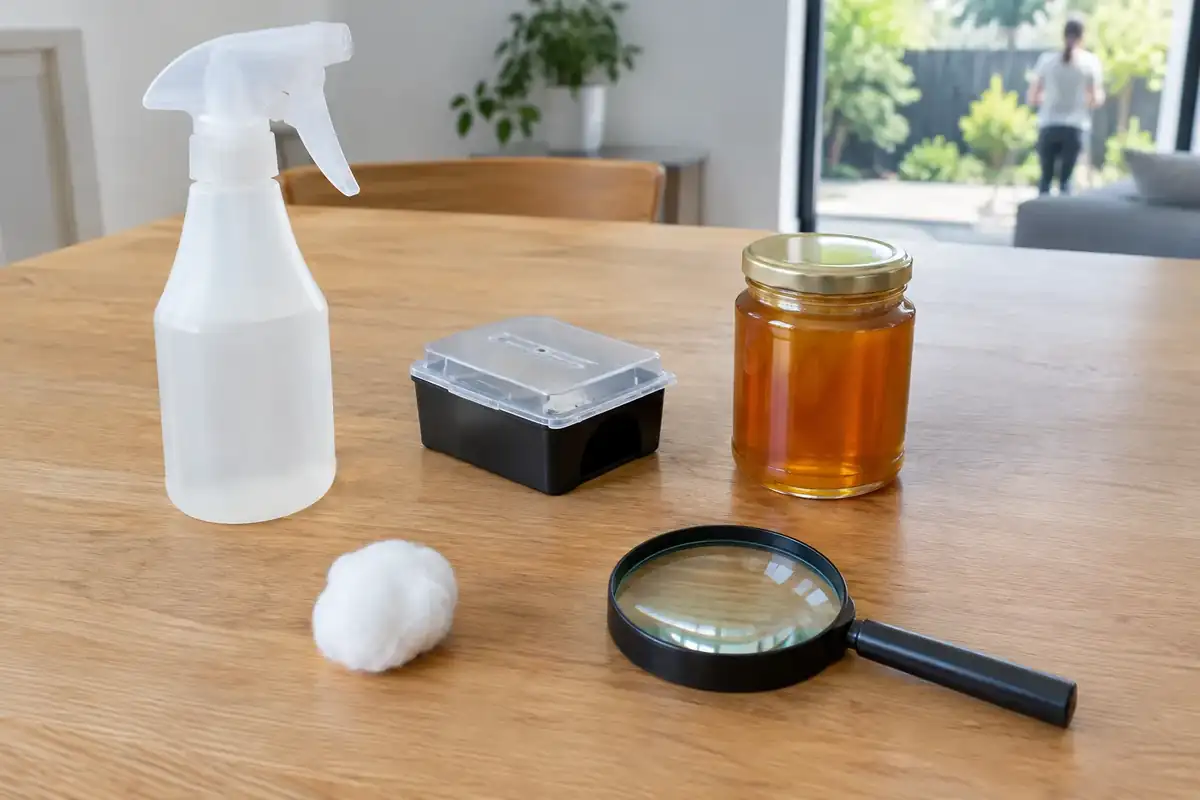
Shop ant products come in five main types: gel baits, liquid baits in stations, granules, sprays and dusts. Baits are the most useful for household trails because ants carry them home; most sprays are repellent and tend to scatter trails. Every product must be used to its label directions, which is a legal requirement under the Hazardous Substances and New Organisms Act 1996. If a bait hasn't thinned the trail in two to three weeks, it isn't reaching the nest.
The five types on the shelf
Supermarket and hardware shelves carry the same broad kinds of product a technician uses, usually in smaller amounts and lower-strength formulations.
| Type | What it's for | Watch out for |
|---|---|---|
| Gel bait | Indoor trails, in cracks | Placing it on open floors with kids or pets |
| Liquid bait station | Busy trails, in or out | Ants ignoring sugar baits in some seasons |
| Granules | Garden beds, lawn nests | Washing into drains; pets eating them |
| Surface spray | Killing ants on contact, barriers | Scattering trails; pushing ants into walls |
| Dust or powder | Cracks and voids | Spreading it where people touch or breathe it |
Why bait is the better first try
Bait is the only shop product designed to reach the nest. Workers eat it, carry it home and share it. A gel bait placed along a trail, with no spraying nearby, can clear a small colony of black house ants in a couple of weeks. It works less well on Argentine ants, whose nests are spread across the section, and on white-footed house ants, whose workers don't share food, according to Landcare Research.
Landcare's Argentine ant work favours protein-based baits; most shop gels are sugar-based. That's one reason a shop gel can work for a while and then be ignored.
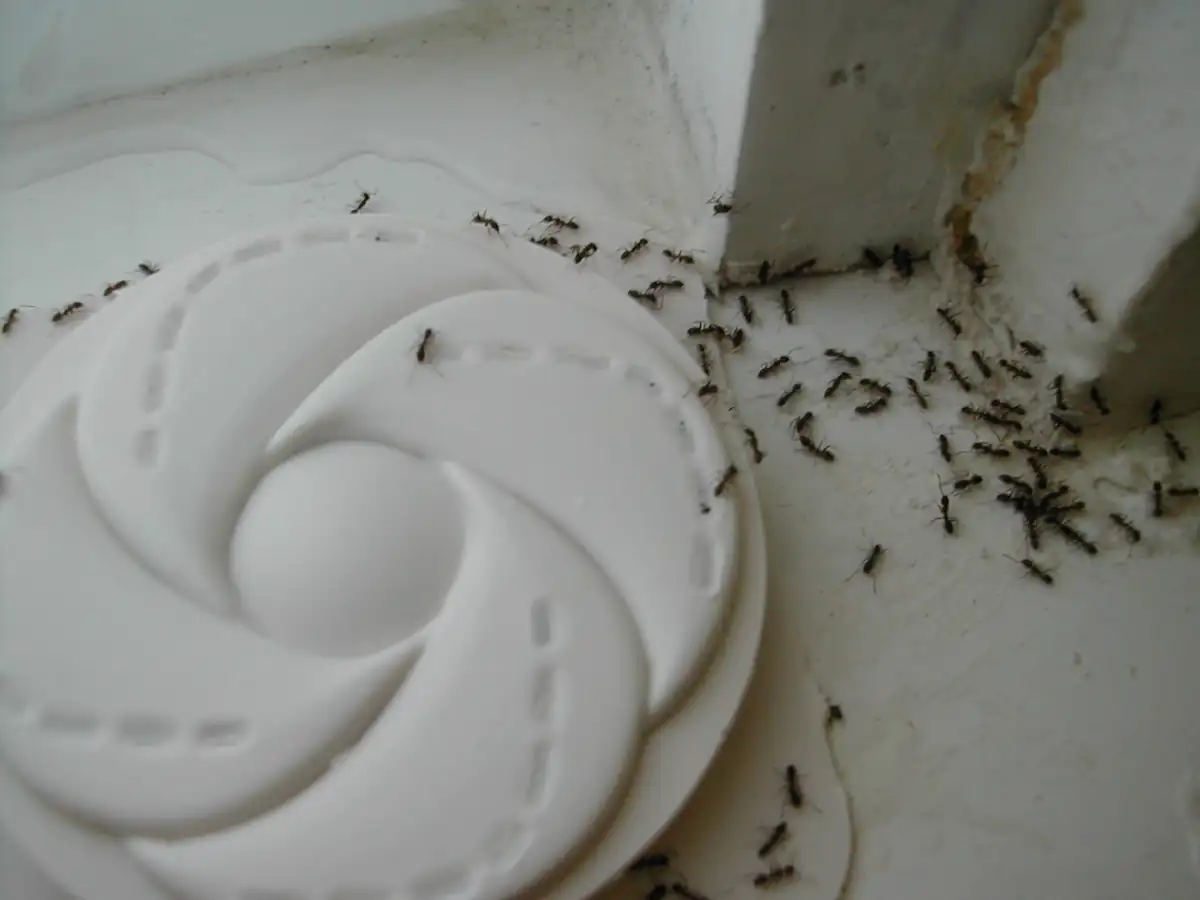

How to read the label
The label is the legal instruction for using the product, and it's worth reading before you open it. Look for these parts.
- Active ingredient and concentration: what the product actually contains
- Directions for use: where, how much and how often
- Where not to use: food areas, near water, on flowering plants, near pets
- Safety directions: gloves, washing hands, ventilation
- First aid: what to do if swallowed or splashed, and the Poisons Centre number
- Storage and disposal: keep it sealed, out of reach, and how to get rid of leftovers
The law behind the label
In New Zealand, pest products are hazardous substances under the Hazardous Substances and New Organisms Act 1996, and the label directions are part of how they're approved. Using a product in a way the label doesn't allow, such as spraying indoors when it's for outdoor use, isn't just unwise; it's outside the conditions the product was approved under.
Some stronger urban pest products aren't sold to the public, or may only be applied by a person holding a qualification such as the Urban Pest Control strand of the New Zealand Certificate in Pest Operations (Level 3), or under their guidance. That's one practical difference between a shop product and a professional treatment.
Children, pets and storage
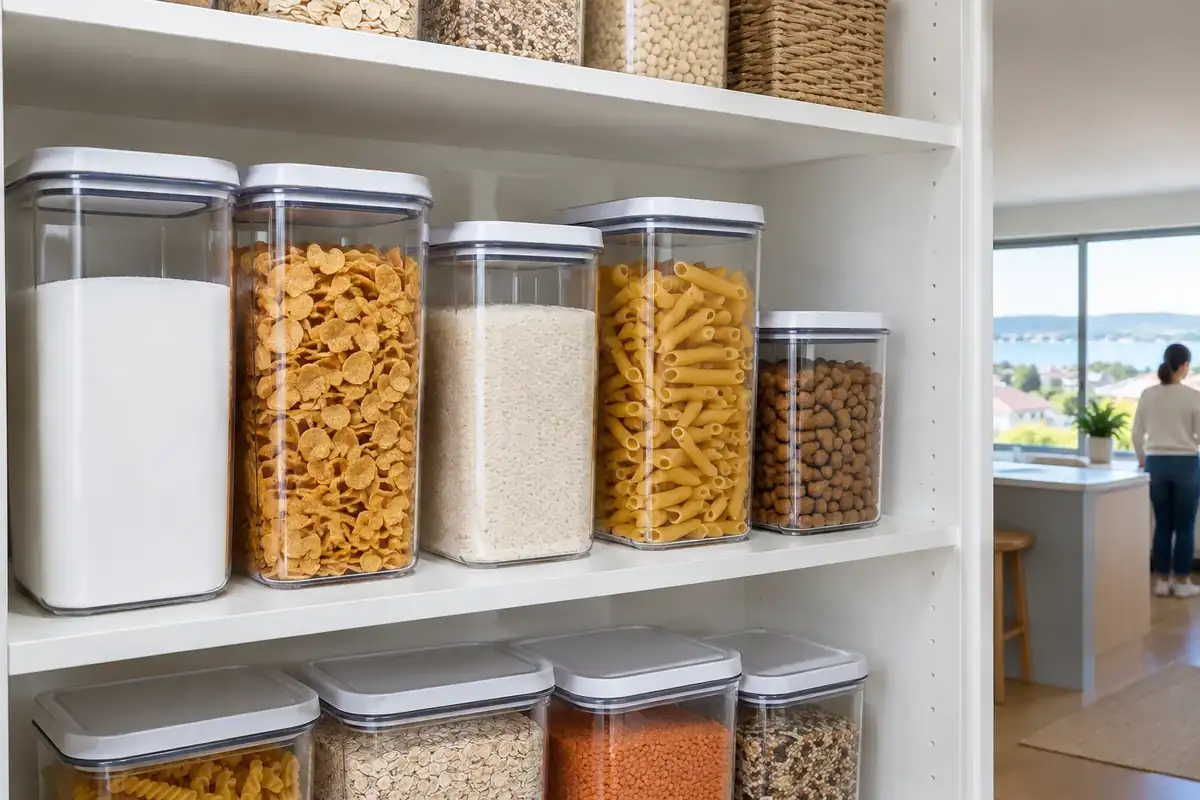
Keep every ant product in its original container, sealed, up high and locked away from children. Don't decant it into food containers. Use stations rather than open gel where children or pets could reach. Wash hands after use. If someone swallows a product, ring the National Poisons Centre on 0800 764 766, free and available 24 hours, with the packet in hand; in an emergency call 111.
See pet and child safe treatment for how professional treatments handle this.
Using shop bait well
A few habits make shop bait far more effective. Place it on the trail, not near it. Use small amounts in several spots rather than one big blob. Keep benches and floors clean so bait is the best food around. Don't spray anywhere near it. Replace it when it dries out or is eaten. Give it two to three weeks before judging.
When to stop
Stop and call a technician if a bait hasn't thinned the trail after two to three weeks of correct use, if ants are coming from walls, power points or ceilings, if winged ants appear indoors, if trails come from all around the house, or if the property is a rental or food business. Published Auckland prices for one area or a small home start at about $210 to $255 incl GST. When to call a pest controller covers the signs.
Ant control questions
Are natural ant products safer?
Not automatically. Some are toxic, and many don't reach the nest. Read the label like any other product.
Can I mix two products?
No. Use one product to its label. Mixing can be dangerous and usually makes both less effective.
How should I dispose of leftover product?
Follow the label. Many councils take household hazardous waste at transfer stations.
Where these facts come from
Checked 5 November 2026