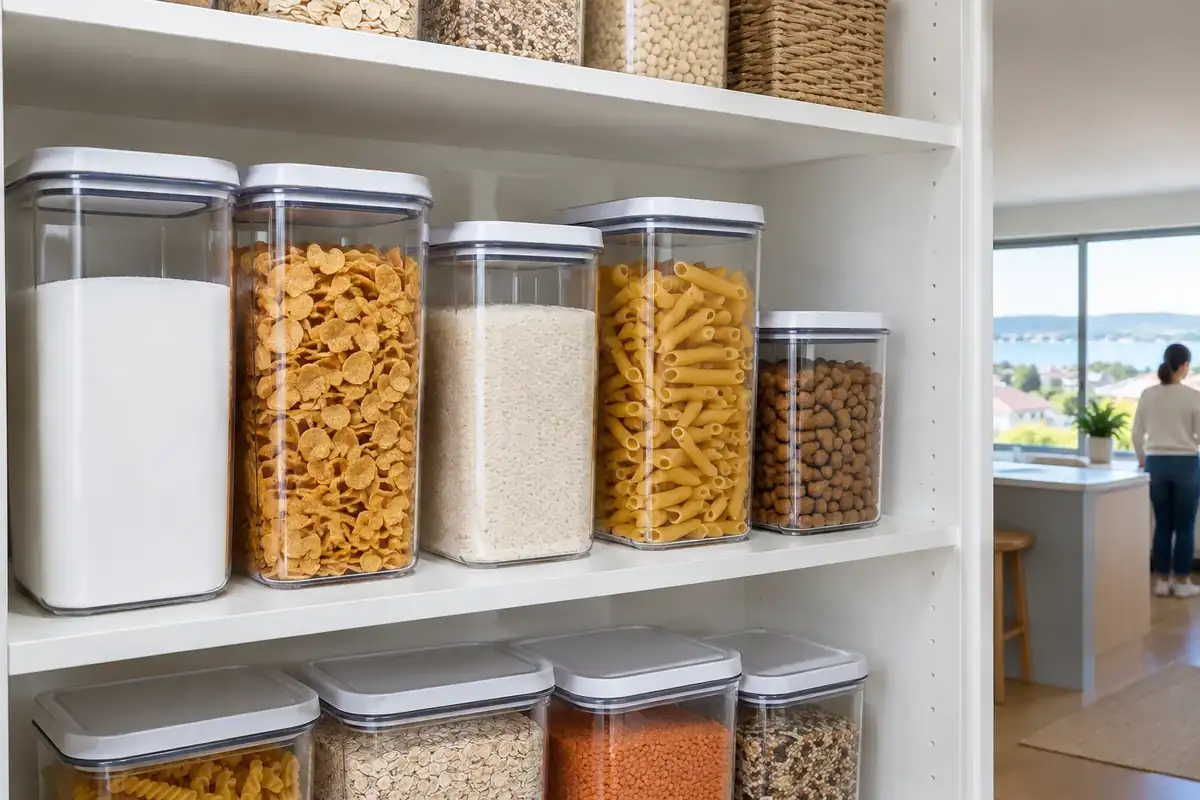
Natural ant prevention works by taking away what ants come inside for: food, water and an easy route in. Seal sweet food and pet food, wipe benches daily, fix drips, close the gaps where trails enter and keep plants and mulch off the walls. Vinegar helps only as a cleaner, because it wipes out the scent trail for a few hours. None of these steps reach the nest, so they prevent ants rather than remove a colony.
Why prevention beats repelling
Prevention beats repelling because ants come indoors to forage, not to live. A scout finds food or water, lays a scent trail home and the rest follow it. Take away the reward and the trail dies out by itself. Repel the ants instead and the reward is still there, so they simply look for another way to it, often through a window or wall gap you can't see.
The ants on your bench are a small fraction of the colony. Te Ara describes white-footed house ant colonies with several thousand workers and many queens, and Argentine ant colonies far larger than that. A smell along the back step does nothing to that population. Making the house unrewarding means foragers report "nothing here" and the colony works somewhere else.
Indoors: food, water and crumbs
The biggest indoor step is putting every sweet and greasy food in a sealed container. The University of California's ant guide recommends clean, tightly sealed containers, cleaning up spills and grease straight away, and wiping trails with soapy water to remove the scent. In Auckland homes the usual culprits are sugar, honey, jam, cereal, pet food and the sticky outside of a syrup bottle.
- Jars and packets. Screw-top or clip-seal containers, not folded bags. Wipe the outside of honey and sauce bottles too. - The bench line. Sweep under the toaster, kettle and microwave. Crumbs collect there and nobody looks. - Bins and recycling. Rinse cans, bottles and yoghurt pots before they go in. Empty the kitchen bin at night in summer. - Water. Fix dripping taps and dry the sink and dish rack before bed. White-footed house ants forage for water as well as sweet food, Landcare Research notes, so a dry kitchen matters as much as a clean one. - Pet food. Feed at set times and lift the bowl afterwards. A bowl stood in a wider dish of water makes a moat ants can't cross.
Closing the way in
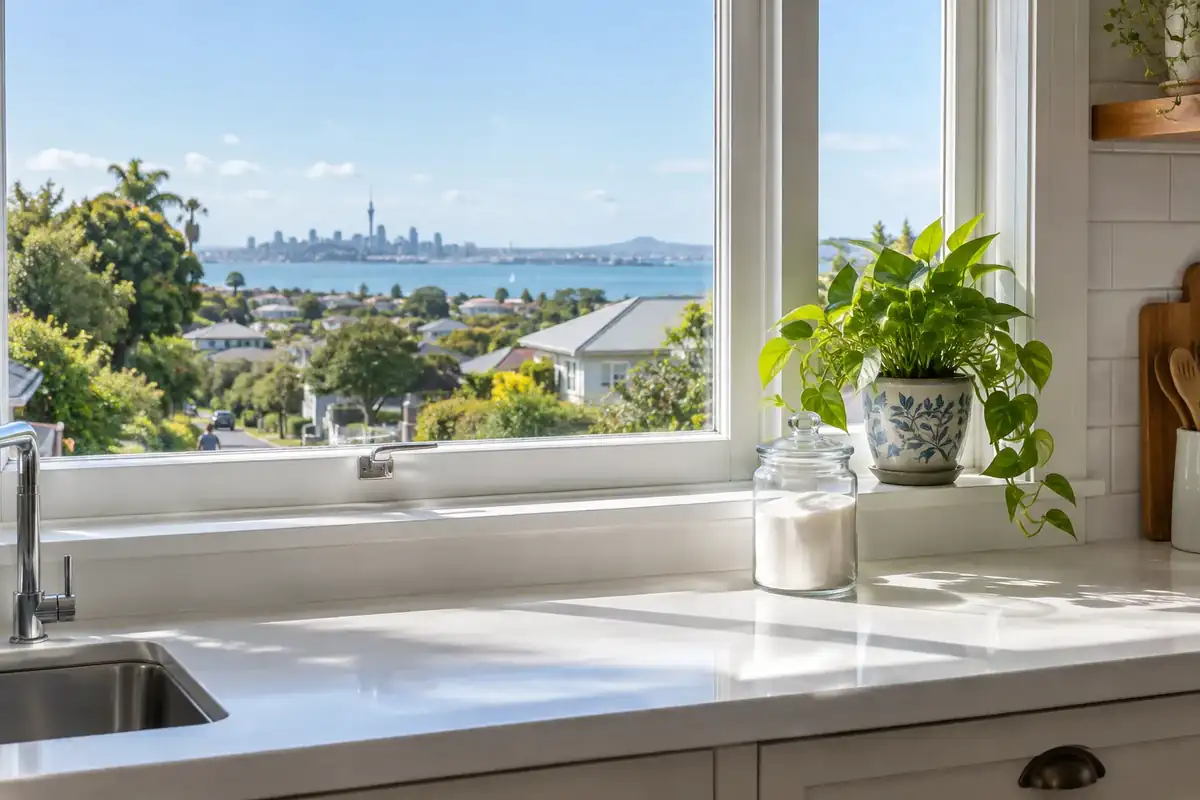
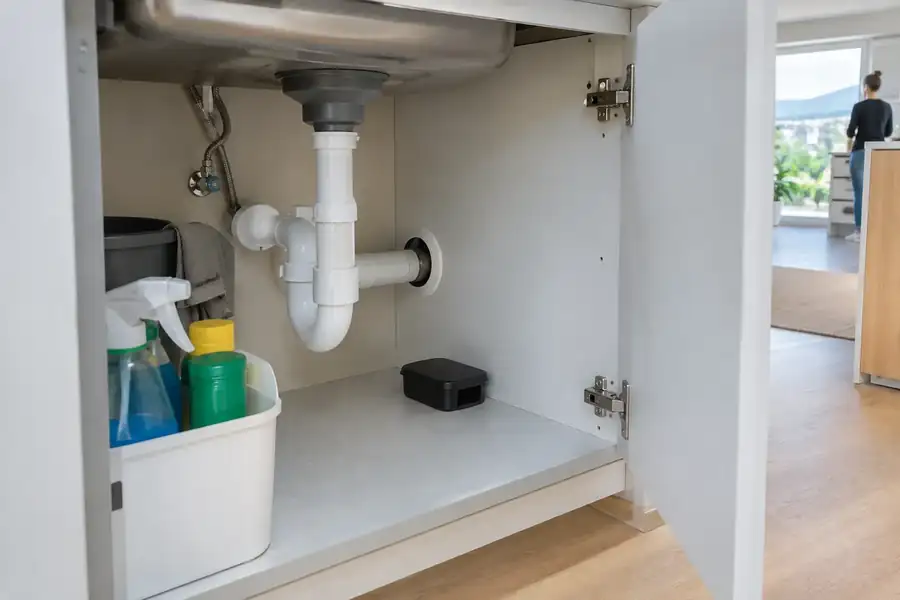
Ants enter along edges and services, so the gaps to seal are where pipes, cables and frames meet the wall. Follow a trail back from the food and you'll usually find it coming from under a skirting, beside a window frame, through a pipe hole under the sink or along a power or data cable. Seal those with a flexible filler or sealant once the trail has been cleared.
Do the sealing after the ants are gone, not while a busy trail is running. Blocking an active route only redirects it. If a trail is coming out of a power point or light fitting, don't seal or spray it; see ants in power points for why.
Outside the house
Outside, natural prevention is about distance. Keep garden beds, mulch, bark and soil a hand's width or more back from the cladding, because those make warm, sheltered nest sites right against the wall. Trim branches and shrubs that touch the roof, gutters or walls, as they work as bridges. Clear leaf litter from the base of walls and decks.
Plants carrying aphids, scale insects or mealybugs feed ants all summer with honeydew. Controlling those sap-suckers removes a food supply that would otherwise keep a colony right beside the house; ants farming aphids and scale covers how. Auckland Council's Argentine ant page suggests a simple check before you bring a pot plant home or give one away: sit the pot in water for a couple of minutes and see whether ants come out.

How vinegar repels ants
Vinegar repels ants by wiping out the pheromone trail they follow. Ants navigate to food by scent, and the acetic acid in vinegar breaks that trail up and masks it, so the ants that arrive next lose the route and wander. Vinegar doesn't kill a colony and doesn't keep ants out on its own. It's a good trail cleaner, and that's all it is.
To use it well:
- Mix white vinegar and water about half and half in a spray bottle.
- Spray and wipe the full length of the trail, including the point where it comes in.
- Find and remove whatever the ants were heading for.
- Once the trail stops, seal the entry gap.
Soapy water does the same job without the smell; the University of California guide recommends it for exactly this. Vinegar is acidic, so test it on a hidden spot before using it on natural stone, marble or unsealed timber benches.
How long vinegar keeps ants away
Vinegar keeps ants away only for as long as the smell lasts, which is usually a few hours to a day once the surface dries. That's general household experience rather than a measured figure; we found no New Zealand trial that times it. If the food that drew the ants is still there, a scout will find it again and lay a fresh trail, often within a day.
That's why spraying vinegar along a doorway every morning rarely works for long. It needs repeating, and ants simply route around the treated strip. Use it to clear a trail today, then fix the reason they came.
Vinegar, smells and bait don't mix
If you, or a technician, have put out ant bait, keep vinegar, peppermint oil, citrus cleaners and sprays well away from it. Ants have to find the bait and carry it home for it to work. Strong smells around a bait point put them off, and wiping a trail that's feeding on bait cuts the delivery route. Why sprays scatter ants explains the same problem with repellent sprays.
Is natural prevention safe for pets?
Not always: natural isn't the same as harmless. The veterinary charity PDSA warns that essential oils can be harmful to cats, particularly used neat, and lists tea tree, peppermint, citrus, eucalyptus, cinnamon and clove among them. Diluted vinegar and soapy water are the gentler options in a house with cats. If a pet licks or swallows an oil product, contact a vet straight away.
If a person swallows a household product or ant bait, call the National Poisons Centre on 0800 764 766. Ants and pets covers pet-safe treatment in more detail.
When to start in Auckland
Start natural prevention in spring, before numbers climb. Landcare Research says Argentine ants are commonly most active from January to March and, in the upper North Island, can stay active through winter, so in Auckland the habits are worth keeping all year. Te Ara puts the ant life cycle at around six to ten weeks, which means sealing and tidying in October pays off by Christmas.
When prevention isn't enough
Prevention isn't enough when the ants live in the house or in a big colony right beside it. Signs are trails coming out of walls, skirting boards or power points, ants back every day despite a clean, dry kitchen, winged ants appearing indoors, or broad, busy trails across paths and up trees. Those usually mean white-footed house ants in the walls or Argentine ants in the garden.
At that point a treatment that reaches the nest, with bait inside and a non-repellent product at entry points outside, does what cleaning can't. Published Auckland prices for one area or a small home start at about $210 to $255 incl GST, and inside and outside of a typical three-bedroom home at about $340 to $400 incl GST; the cost page lists the sources. When to call a pest controller and kitchen ant treatment explain what a visit involves, and aftercare covers keeping the result.
This explainer backs up the practical side of Ant Control Auckland; start there if the ants are inside right now.
Ant control questions
Does vinegar kill ants?
Vinegar can kill ants it soaks directly, but it doesn't reach the nest, so the colony carries on. Its real use is wiping out the scent trail.
Is apple cider vinegar better than white vinegar for ants?
There's no evidence either works better. White vinegar is cheaper and less sticky, so it leaves less residue for the next ants to find.
Do coffee grounds or cinnamon keep ants away?
We found no New Zealand government, council or research source that recommends them. Any effect comes from the smell, which fades, and the colony is untouched.
What won't ants cross?
Water is the most reliable barrier, which is why a pet bowl in a dish of water works. The University of California guide also suggests sticky bands around tree trunks. Powder and smell lines only slow ants down.
Where these facts come from
Checked 7 November 2026